From breakfast to dinner, from healthy meals to sweet desserts – Next Yum Recipes brings you quick, simple and tasty ideas for every occasion and every time.


 This Recipe
Blueberry Scones Bring Bakery Texture Home
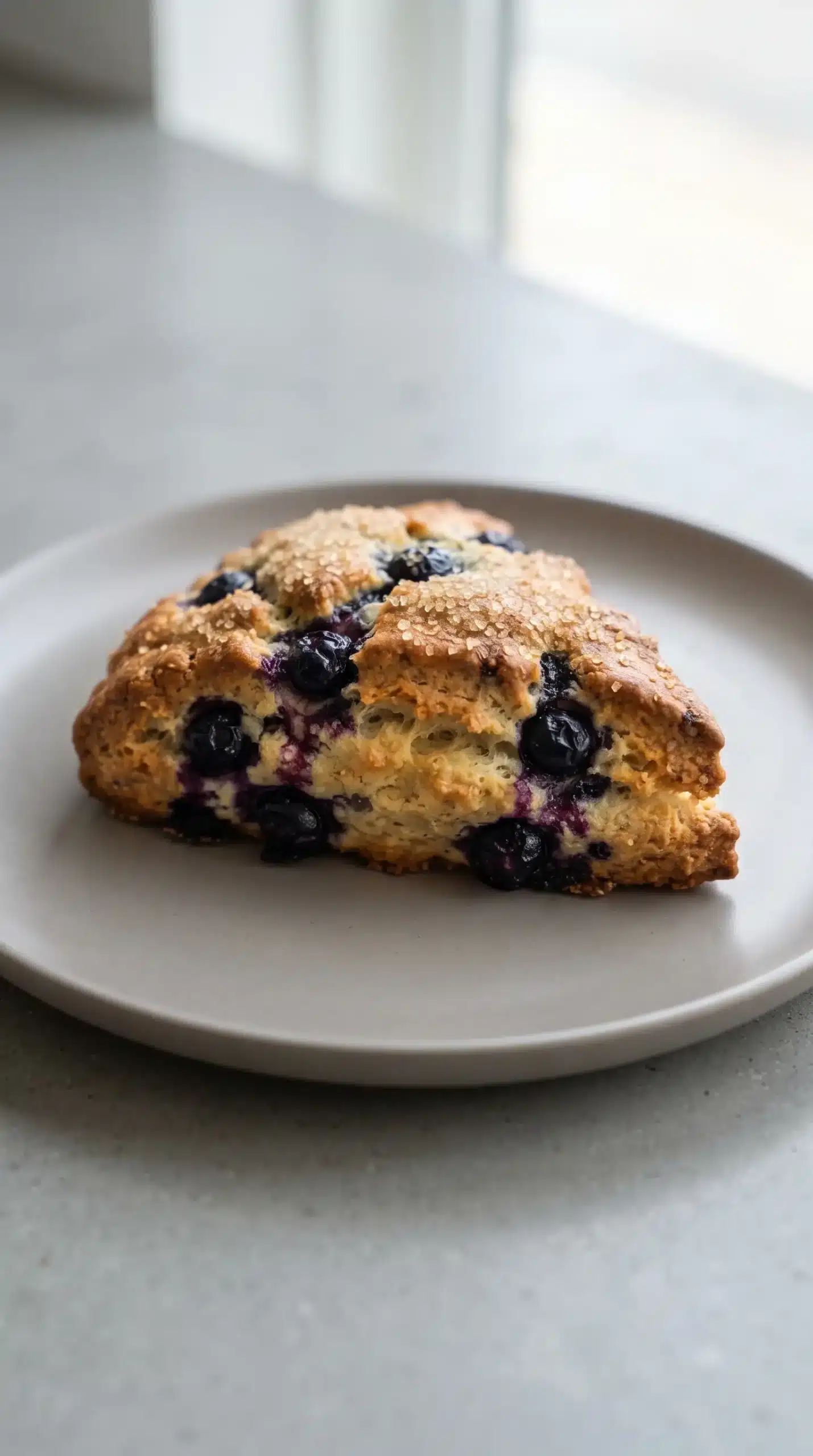
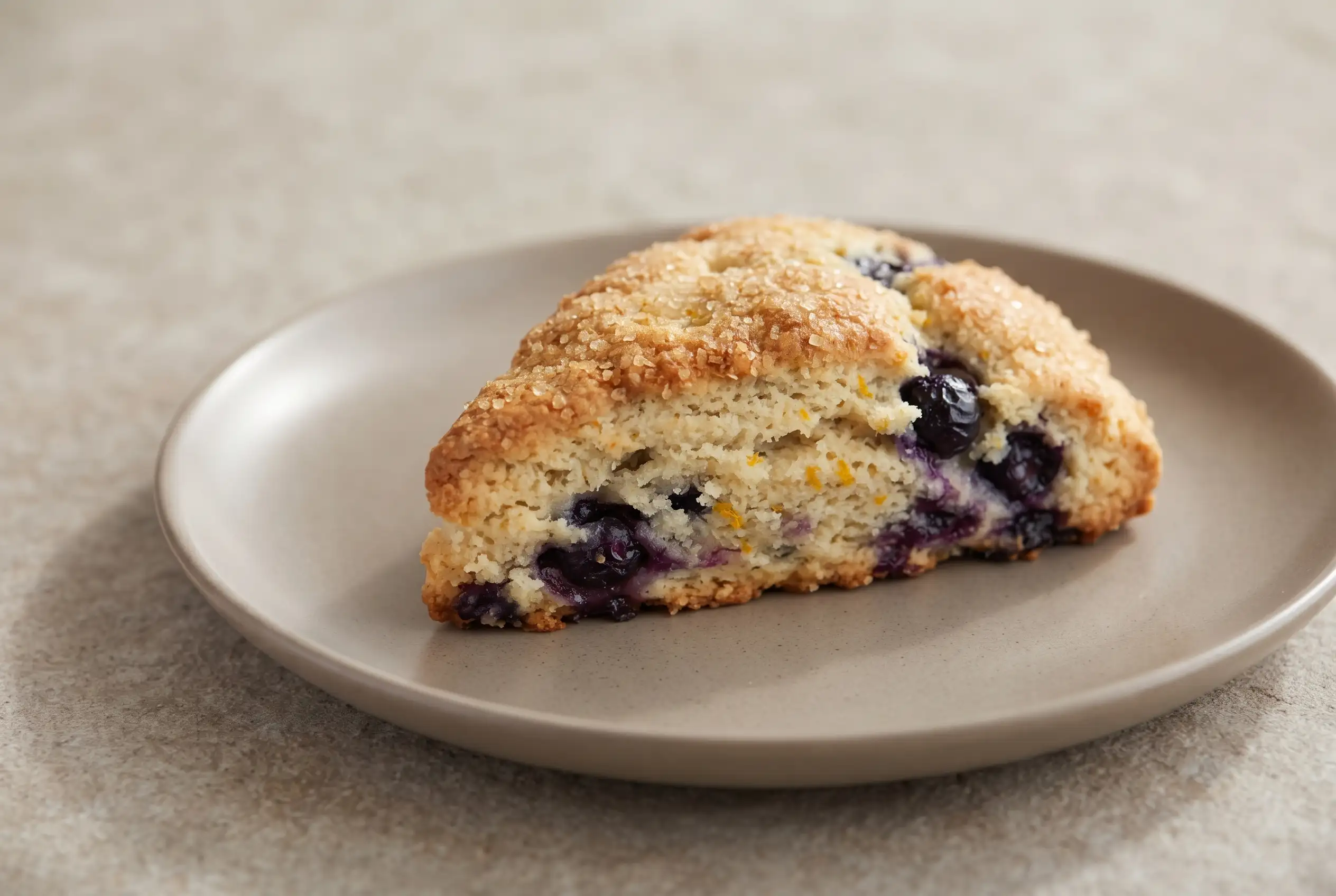
Blueberry scones create the kind of tender, golden pastry associated with a bakery case while using a straightforward combination of flour, butter, cream, and fresh fruit. The best blueberry scones have a crisp outer edge, a soft center, and bursts of berry flavor that stay visible after baking.
Careful handling matters because scone dough depends on keeping the structure light. The cold butter, gentle mixing, and thick dough texture all influence whether the finished pastry feels delicate or dense. Small choices during preparation create noticeable differences in the crumb.
Many bakery style blueberry scones rely on contrast: a slightly crunchy top, a rich interior, and bright fruit throughout. The orange zest in this version adds another layer that pairs naturally with blueberries without overwhelming their fresh flavor.
Cold Butter Shapes the Crumb of Blueberry Scones
Butter temperature is one of the most important decisions for achieving a tender texture. Small pieces of cold salted butter are worked into the flour mixture until fine crumbs form, leaving tiny pockets of fat that help create a lighter baked result because cold butter keeps scones light as it melts during baking.
Keeping the butter firm prevents the dough from becoming greasy or overly soft before it reaches the oven. If the mixture starts warming while working, a short rest in the refrigerator can help bring back the firm texture needed for a fresh blueberry scones recipe.
Flour absorbs moisture from the egg and cream, while the butter helps separate portions of the dough during baking. This balance creates the characteristic layers and crumb that distinguish scones from ordinary sweet rolls or muffins.
Orange Zest Adds Brightness to Blueberry Flavor
Orange zest gives orange blueberry scones their recognizable citrus note by adding aromatic oils directly from the peel. The flavor works especially well with blueberries because it provides a fresh accent that complements the fruit.
Thick Dough Control Creates Better Scone Shape
Successful shaping starts with recognizing the correct dough consistency. The mixture should become thick and stiff after the wet ingredients are incorporated, allowing it to hold a defined shape when moved onto a floured surface.
Working the dough only enough to bring it together protects the tender structure. Excessive handling can make the finished scones heavier because the flour develops more structure as it is mixed and pressed.
Shape also affects baking. A rectangle about one inch thick creates portions with enough height to develop a soft interior while allowing the outside to brown properly. Separating the cut pieces before baking gives heat room to circulate around each scone.
Fresh Blueberries Create Juicy Bakery Style Scones
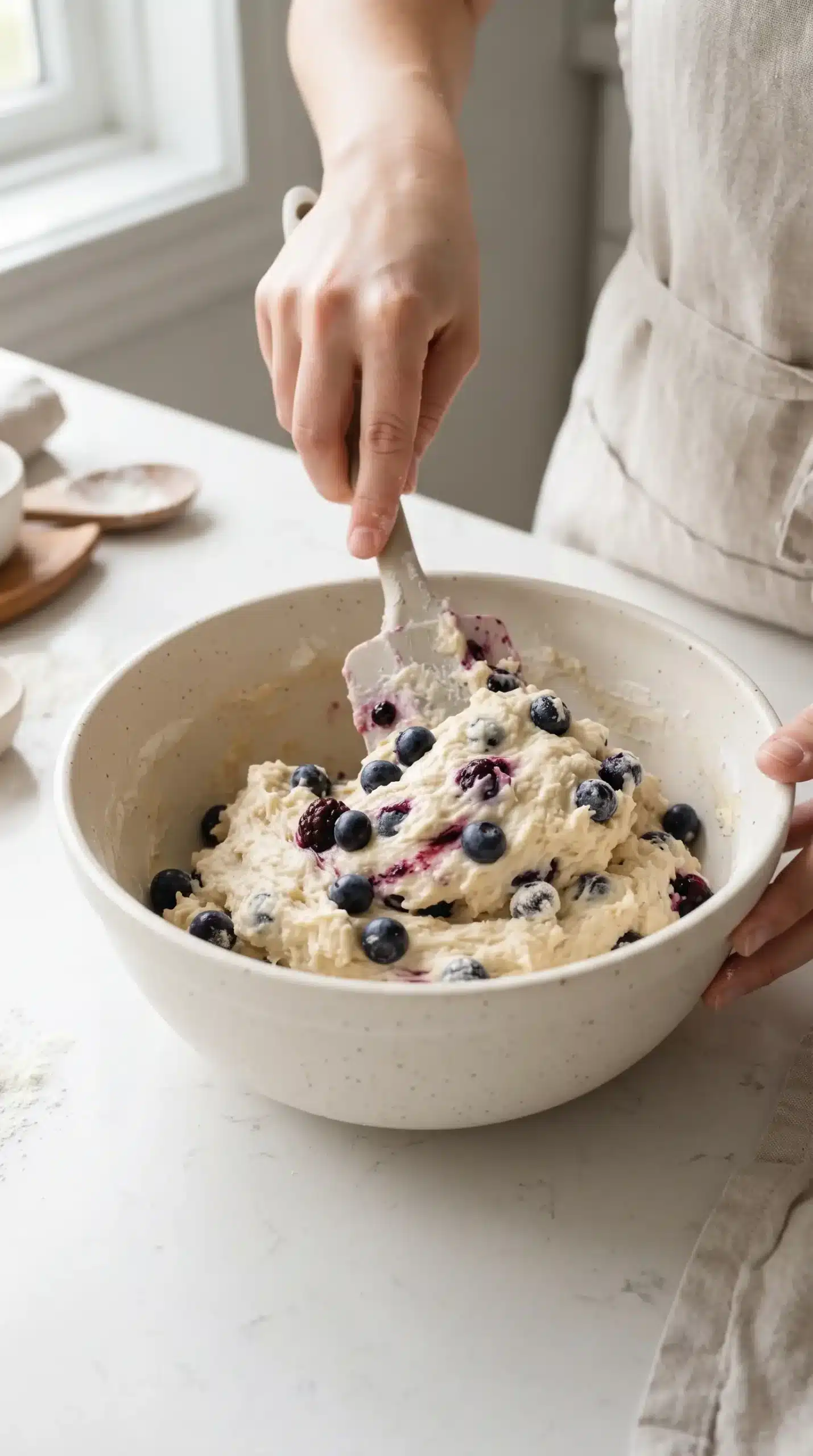
Fresh blueberries are the defining feature of these blueberry scones, adding pockets of sweetness and moisture throughout the dough. Folding them in carefully keeps the fruit distributed while allowing some berries to release their color naturally.
Broken berries are not a problem in this preparation. Small streaks of blueberry juice can create attractive purple marks and add extra fruit flavor to the baked surface.
Avoiding heavy mixing after the blueberries are added helps protect their shape. The fruit should become part of the dough without turning the mixture into a uniform batter.
Sugar Topping Builds the Signature Scone Finish
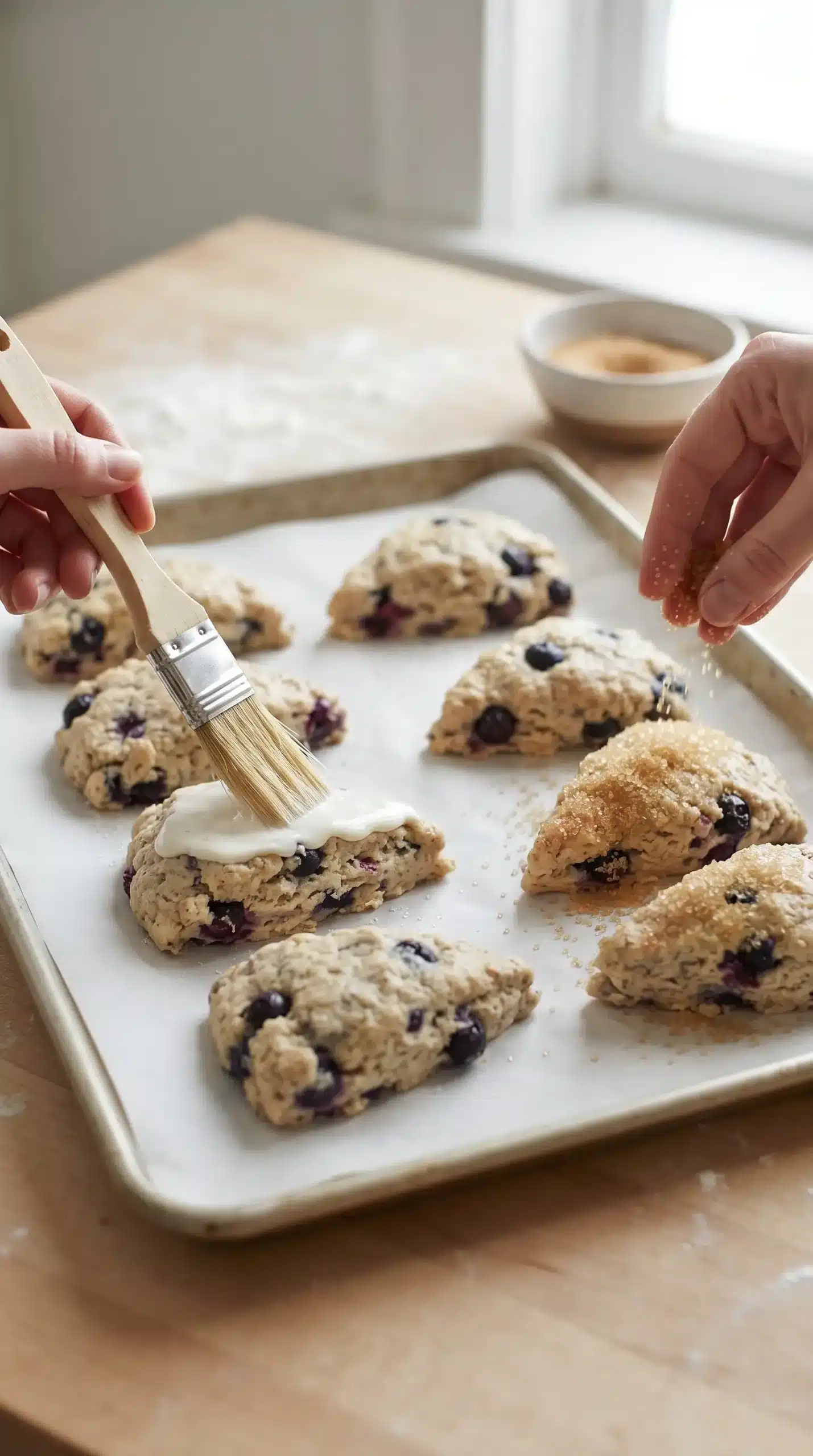
The topping creates a simple but noticeable contrast. Brushing the shaped dough with heavy cream helps turbinado sugar adhere, giving the baked surface extra texture and a lightly sparkling appearance.
| Finish choice | Purpose | Result on baked scones |
|---|---|---|
| Heavy cream brush | Helps topping stick and encourages browning | Richer golden surface |
| Turbinado sugar | Adds texture before baking | Light crunch on top |
| Extra sugar sprinkle | Adds another finishing layer | More noticeable sweetness and texture |
Simple finishing ingredients can make homemade pastries feel more polished. The topping does not replace the flavor of the blueberries, but it enhances the contrast between the exterior and the tender center.
Blueberry Scone Mistakes That Affect Tender Results
Common mistakes with blueberry scones usually come from changes in temperature, mixing, or shaping. Paying attention to these details helps prevent a pastry that spreads, dries out, or loses its delicate texture.
- Warm butter: Soft butter can make the dough less capable of creating a light crumb.
- Overmixed dough: Too much mixing can lead to a firmer texture instead of a tender bite.
- Crowded pieces: Cut portions pressed closely together may not brown as evenly around the edges.
- Skipping parchment: Direct contact with a baking sheet can increase the chance of dark bottoms.
Recognizing these problems before baking makes corrections easier. Chilling dough that becomes too soft and using a prepared baking surface are practical ways to protect the texture.
Parchment Paper Protects the Scone Bottoms
A parchment-lined baking surface provides a simple safeguard for the delicate bottoms of blueberry scones. It creates a barrier between the dough and the hot pan, helping the pastries bake evenly without excessive browning underneath.
Simple Serving Ideas Highlight Fresh Blueberry Scones
Warm scones are especially enjoyable because the crumb is at its softest shortly after baking. The berry flavor stands out clearly when the pastry is served without heavy additions that cover its natural sweetness.
These scones work well alongside coffee, tea, or a simple breakfast spread. Serving them with other carefully prepared baked treats such as a bakery-style breakfast pastry can create a balanced morning table with a mix of textures and flavors.
- Warm presentation: Serve shortly after baking for the softest texture.
- Balanced pairing: Choose drinks or toppings that complement the orange and blueberry flavors.
- Careful portioning: Cut pieces cleanly to preserve the bakery-style appearance.
Storage Keeps Blueberry Scones Enjoyable
After cooling, blueberry scones should be kept in an airtight container to help maintain their texture. The crumb is best when enjoyed fresh, but proper storage can preserve the remaining portions for later.
Moisture changes over time, so stored scones may gradually lose some of their original crisp exterior. Gentle reheating can help refresh the texture when serving leftovers.
Recipe Adjustments Preserve the Classic Scone Balance
A fresh blueberry scones recipe can be adapted carefully while keeping the essential structure intact. Changes should support the balance of fruit, richness, and tenderness that defines the pastry.
Small flavor adjustments, such as emphasizing citrus notes or changing the finishing sugar, can create a slightly different experience without changing the identity of the bake.
Blueberry scones are especially suited to seasonal variations because the fruit remains the central feature. Keeping the dough proportions and handling approach consistent allows those changes to stay successful.
Oven Heat Develops the Golden Scone Exterior
The oven temperature provides the heat needed for the exterior to become golden while the inside finishes baking into a soft crumb. Watching for visual signs such as firm texture and browning helps determine when the pastries are ready.
Baking works best when shaped dough enters a properly heated oven. Stable heat supports the rise created by the baking powder and helps the scones develop their characteristic appearance.
Blueberry Scones Depend on Gentle Handling and Cold Ingredients
Blueberry scones succeed when the dough remains cool, thick, and lightly handled from mixing through shaping. Cold butter creates the right foundation, while careful blueberry incorporation keeps the fruit present throughout each portion.
The combination of citrus, berries, and a textured sugar topping creates a pastry where each element has a clear purpose. Maintaining that balance produces a bake with the tender center and bakery-style finish readers expect.
Questions About Blueberry Scone Texture and Storage
Why are my blueberry scones not light and tender?
Dense scones often result from dough that was mixed too much or butter that became too warm. Keeping the butter cold and handling the dough gently helps preserve the crumb structure.
Can I use frozen blueberries for this recipe?
Fresh blueberries are specified for this preparation because they incorporate easily into the dough and provide the intended texture. Frozen berries may release more moisture, so adjustments would be needed if using them.
How do I keep blueberry scones from becoming dry?
Dry scones can happen when too much flour is worked into the dough or when they are baked beyond the point where the center remains tender. Careful mixing and watching the finished texture are important.
What makes these blueberry scones taste bakery style?
The combination of cold butter, cream, fresh blueberries, orange zest, and a textured sugar topping creates the layered flavor and contrast associated with bakery pastries.
Blueberry Scones with Fresh Blueberries and Orange Zest
Blueberry scones are tender, bakery-style pastries with a crisp exterior, soft crumb, fresh berry flavor, and bright orange zest. They are a simple choice for a comforting breakfast or baked treat.
Ingredients
Method
Preparation
- Preheat the oven to 400°F (200°C). Combine flour, sugar, baking powder, salt, and orange zest in a stand mixer bowl or mixing bowl.
- Add the cold butter and mix with an electric mixer until the mixture becomes fine crumbs.
- Slowly add the egg and heavy cream while mixing on low speed. Continue until a thick, stiff dough forms.
- Mix in the blueberries gently until they are just distributed throughout the dough.
Shaping and Baking
- Flour your hands, transfer the dough to a floured surface, and shape it into a rectangle about 1 inch thick.
- Cut the dough into 8 triangles, separate the pieces, and brush the tops with heavy cream.
- Sprinkle the scones with turbinado sugar and bake for 18-20 minutes, until golden brown and firm to the touch.
- Sprinkle with additional turbinado sugar for extra texture and serve warm.
Notes
Parchment paper helps prevent the bottoms from burning. Keep the butter as cold as possible throughout preparation for lighter scones, and refrigerate the dough briefly if it becomes too warm or soft.