From breakfast to dinner, from healthy meals to sweet desserts – Next Yum Recipes brings you quick, simple and tasty ideas for every occasion and every time.


 This Recipe
Butter Chicken Meatballs Bring Creamy Indian Inspired Comfort
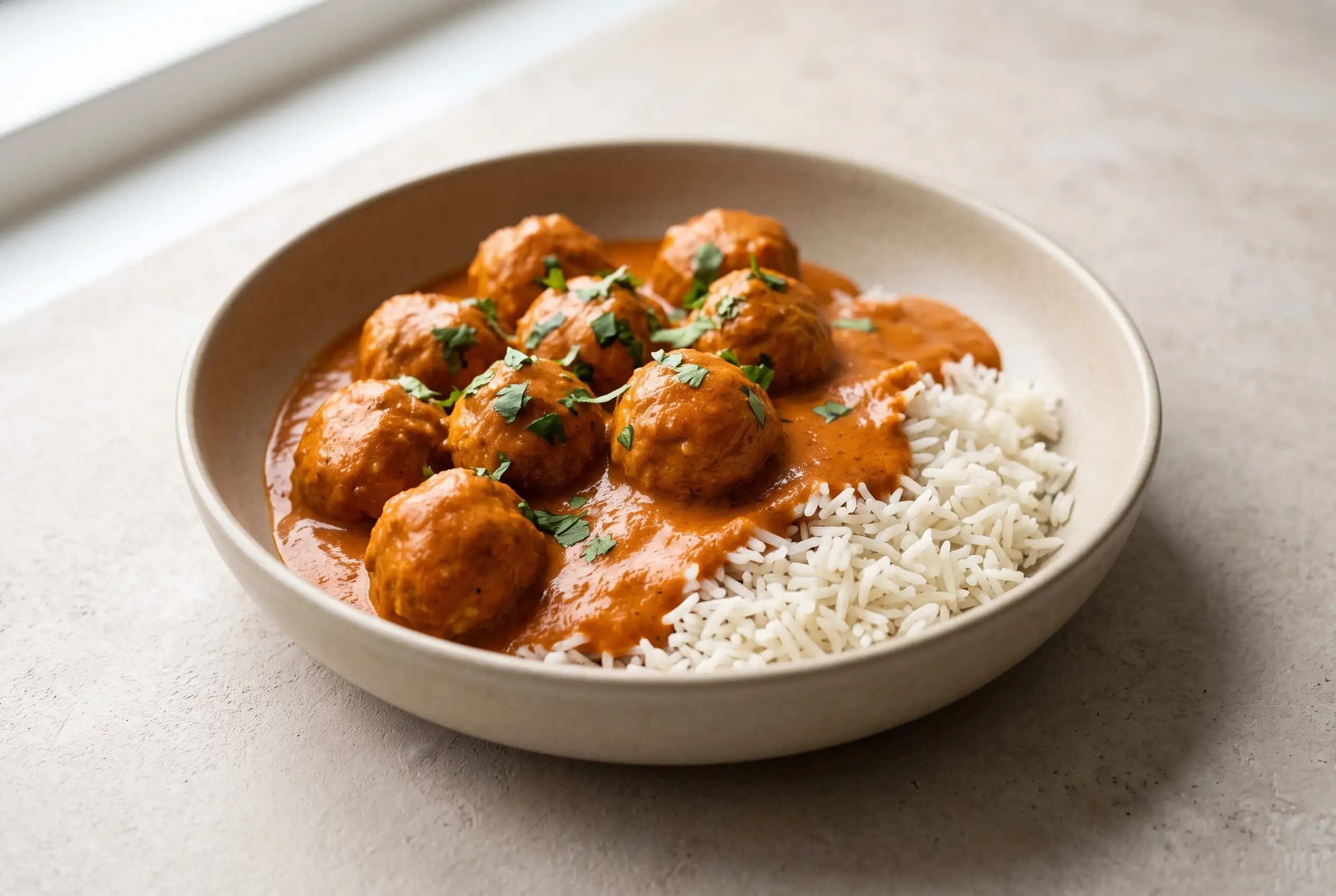
Butter chicken meatballs combine tender chicken or turkey meatballs with the familiar richness of a smooth tomato, cream, and butter sauce. The dish keeps the comforting character of classic butter chicken while using meatballs as the centerpiece, creating a meal where the sauce can coat every bite evenly. A carefully balanced blend of aromatics and spices helps the creamy butter chicken meatballs stay flavorful without becoming heavy.
The structure of the meal comes from contrast. The soft meatballs absorb the surrounding sauce, while basmati rice provides a simple foundation that carries the silky coating. Small decisions during cooking, including how the sauce is blended and when dairy is added, shape the finished texture more than a long list of ingredients.
Tomato Sauce Creates the Base for Butter Chicken Meatballs
The tomato sauce determines how the finished dish feels on the plate. Crushed tomatoes or tomato sauce provide the body for the curry-style base, but the smooth texture comes from transforming the cooked aromatics and tomatoes into a unified sauce before the meatballs settle into it.
Cooking the onion, garlic, ginger, and spices together before adding tomatoes allows the flavors to soften and combine. The sauce should develop a rounded taste before the meatballs are introduced because the meatballs mainly absorb and carry the finished flavor.
Butter and cream are added near the end to create the recognizable richness associated with butter chicken. Their timing matters because they complete the sauce after the tomato base has already developed its deeper flavor.
Garam Masala and Aromatics Shape the Dish Character
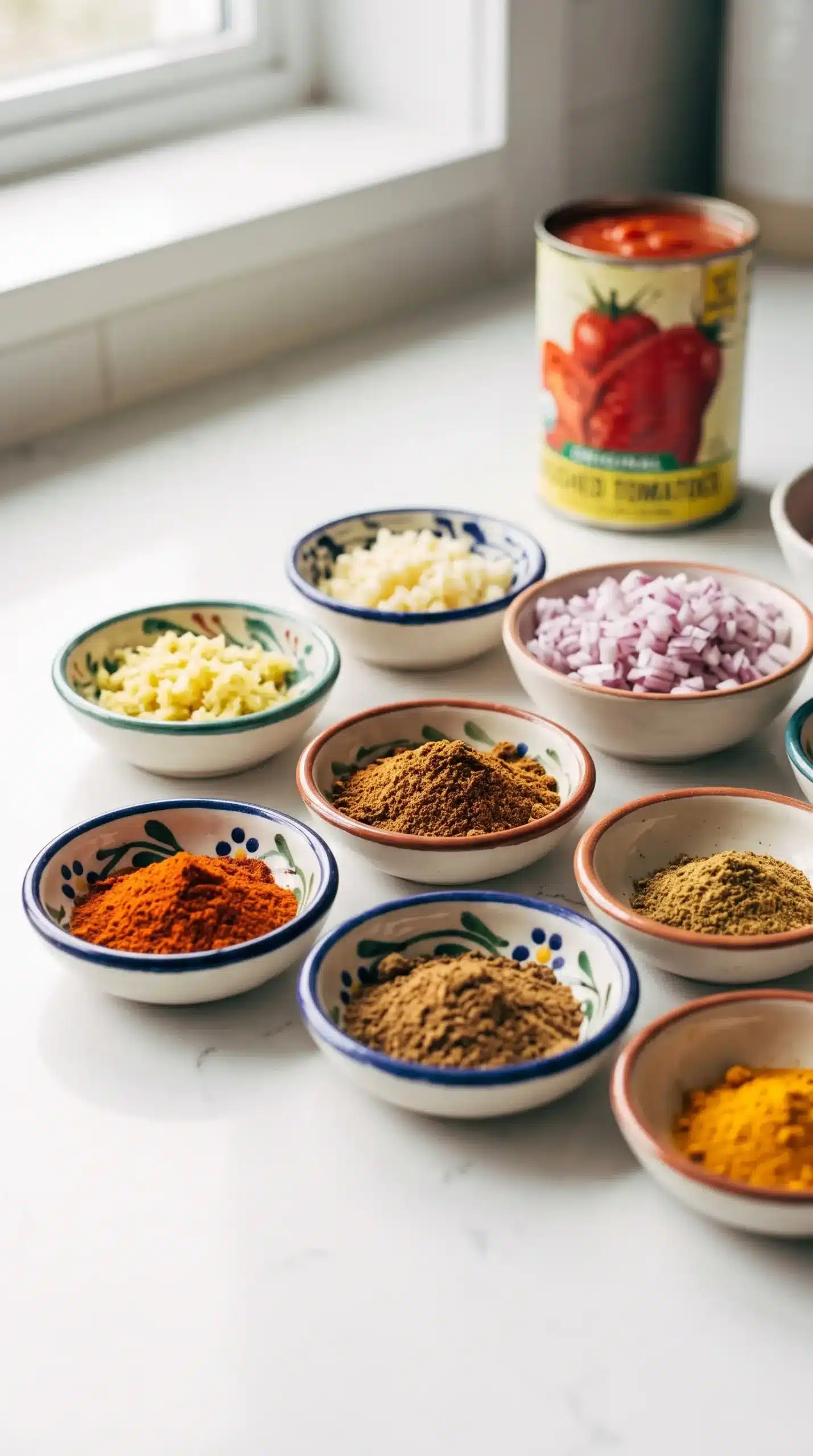
Fresh ginger, garlic, onion, cumin, turmeric, smoked paprika, and garam masala create the aromatic foundation that separates butter chicken meatballs from a simple tomato meatball dish. These seasonings work together during the initial cooking stage, allowing their flavors to become integrated into the sauce.
Garam masala has a particularly important role because it contributes warmth and complexity without requiring a large amount. The spices should remain noticeable but balanced, allowing the creamy sauce and meatballs to stay equally present in each serving.
Blended Sauce Texture Defines Creamy Butter Chicken Meatballs
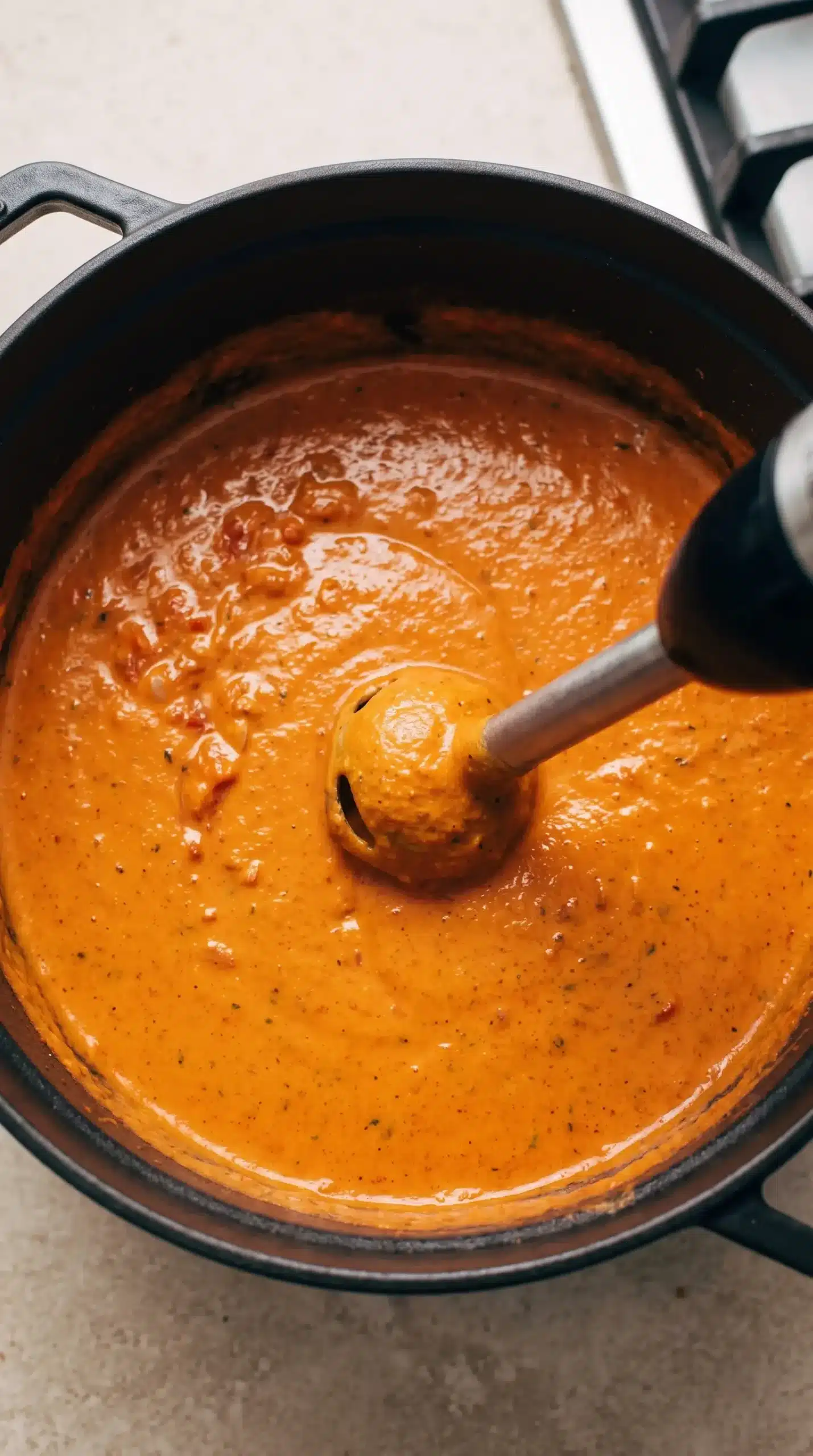
Blending changes the experience of the sauce by removing the rough texture of cooked onion and aromatics. A regular blender can create the smoothest finish, while an immersion blender offers convenience when used with enough sauce depth and a suitable cooking vessel.
The choice of blending method affects both texture and cleanup. A shallow skillet can make immersion blending difficult because the sauce may not gather deeply enough around the blender head. A deeper pot allows the sauce to move more easily and reduces unnecessary splashing.
For a smoother finish when using this tool, an immersion blender sauce technique keeps the blade working directly in the cooking vessel, making it practical for blending sauces without transferring them first.
| Blending option | Best use | Texture result |
|---|---|---|
| Regular blender | When transferring sauce is practical | Very smooth sauce |
| Immersion blender | When using a deeper pot | Convenient blended finish |
| No blending | When a rustic texture is preferred | Visible onion and aromatic pieces |
Chicken Meatballs Carry the Sauce Through Each Bite
The meatballs act as the main carrier for the butter chicken sauce. Using cooked chicken or turkey meatballs keeps the focus on the sauce while creating an easy way to bring the flavors together in one pan. A well-seasoned base such as chicken meatballs with Parmesan and Panko Breadcrumbs can provide the tender texture needed for sauces that rely on coating each bite.
Because the meatballs are already cooked before entering the sauce, their purpose is to warm through and absorb the surrounding flavors. Gentle simmering helps them stay tender while allowing the tomato, spice, butter, and cream combination to cling to their surface.
- Rice pairing: Basmati rice provides a neutral base that captures extra sauce.
- Fresh finish: Cilantro adds a bright contrast after the rich sauce is complete.
- Heat adjustment: Cayenne or chili oil can increase spice without changing the sauce structure.
Cooking Control Keeps the Butter Chicken Sauce Stable
The most important cooking decisions happen before serving. Medium heat helps the onion and aromatics soften without scorching, while a gentle simmer allows the tomato base to develop before dairy is introduced.
Adding butter and cream after the sauce has been blended and combined with the meatballs keeps the finish smooth. The dairy becomes part of the sauce’s texture instead of competing with the cooked tomato and spice flavors.
Butter Chicken Meatballs Avoid These Sauce and Spice Mistakes
Several common errors can change the texture and balance of chicken meatballs with butter chicken sauce. Each issue comes from a specific handling choice that affects the final consistency.
| Mistake | What happens | Better approach |
|---|---|---|
| Adding cream too early | The sauce does not develop its complete base flavor | Finish with butter and cream after blending |
| Using a shallow pan for immersion blending | Sauce can splatter during blending | Use a deeper pot or transfer the sauce |
| Overheating after dairy is added | The smooth creamy finish can be affected | Keep the finishing stage gentle |
Rice and Garnishes Complete the Butter Chicken Meatballs Plate
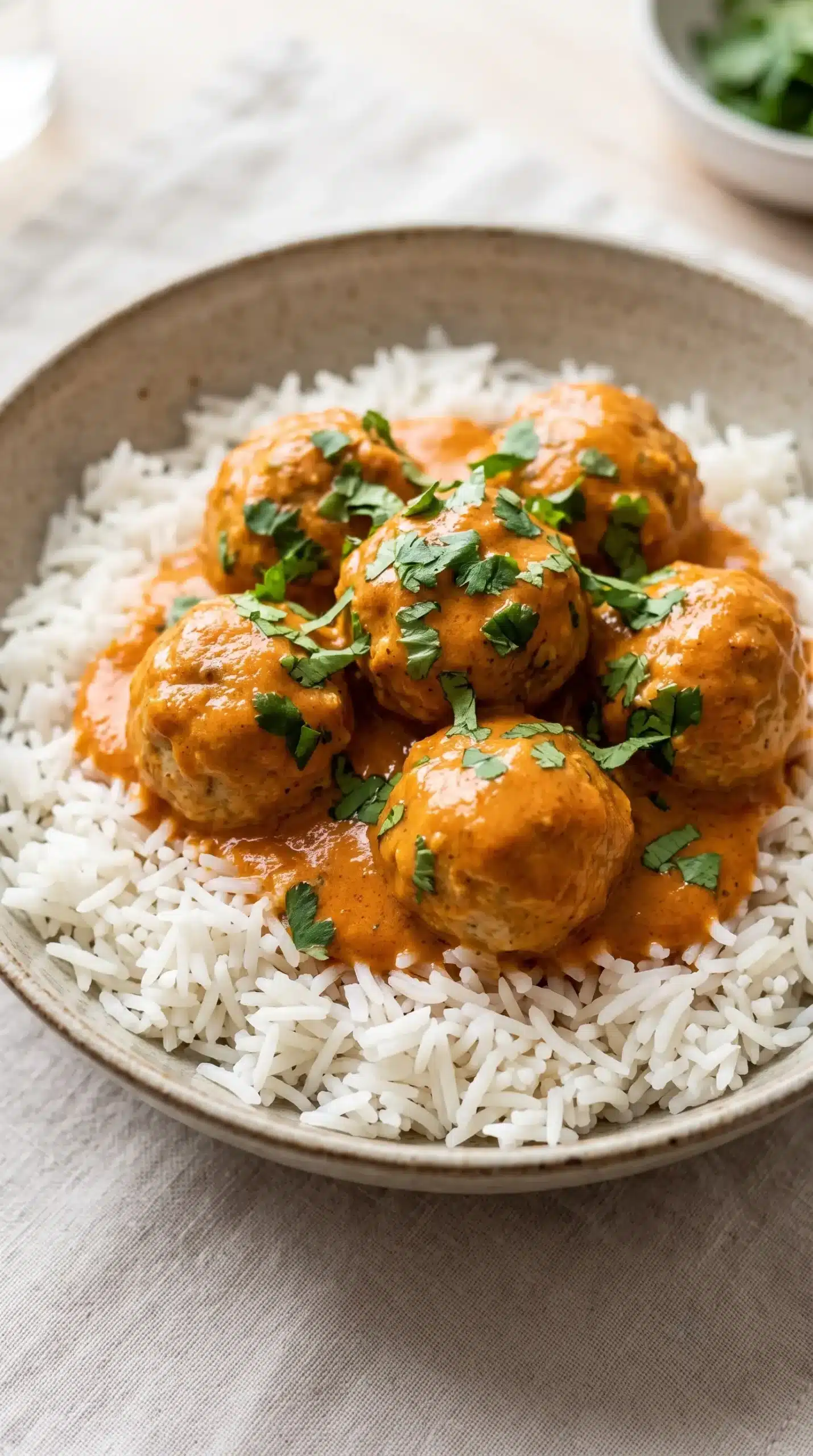
Basmati rice works especially well because its separate grains allow the sauce to remain the focus. The rice catches the creamy tomato mixture without overwhelming the spices that define the dish.
Cilantro provides a fresh finishing element that lifts the richness of the butter and cream. For diners who prefer more heat, a small amount of cayenne or chili oil can be added at the table so spice levels remain flexible.
Simple Variations Expand the Butter Chicken Meatballs Recipe
The same sauce approach can support several adjustments while keeping the identity of the dish intact. Regular chicken breasts or thighs can replace meatballs when a different texture is desired, with the chicken cooked directly with the sauce before being shredded or pulled apart.
Additional vegetables can also fit naturally when they complement the creamy tomato base. Spinach, peas, or roasted vegetables can be folded in without changing the essential sauce structure.
- Protein swap: Use another cooked chicken option when meatballs are unavailable.
- Spice change: Increase chili elements for a hotter version.
- Serving change: Pair the sauce with another grain or flatbread.
Storage and Reheating Preserve the Creamy Sauce
Butter chicken meatballs can be stored as a complete meal because the sauce and meatballs continue to hold together after cooking. Keeping leftovers in an airtight container helps maintain the moisture of the meatballs and the smooth quality of the sauce.
Gentle reheating works best because the creamy sauce benefits from gradual warming. A small splash of water or another liquid can help loosen the sauce if it thickens after chilling.
Butter Chicken Meatballs Turn Sauce Balance Into the Main Skill
Butter chicken meatballs succeed when the tomato base, spices, butter, and cream remain in balance around the meatballs. The sauce needs enough development before the finishing ingredients arrive, while careful blending creates the texture that makes each serving feel cohesive.
The finished dish depends on recognizing how each cooking stage changes the sauce. Smooth blending, gentle heating, and thoughtful finishing allow the chicken meatballs to become part of a rich, unified meal served over rice.
Butter Chicken Meatballs Sauce Questions and Answers
Can butter chicken meatballs use turkey meatballs?
Yes, cooked turkey meatballs work well because the sauce provides the main seasoning and richness. The same tomato, spice, butter, and cream combination can coat turkey meatballs in the same way it coats chicken meatballs.
Why should the butter chicken sauce be blended?
Blending creates a smoother texture by incorporating the cooked onion and aromatics into the tomato base. It helps the sauce surround the meatballs evenly instead of leaving separate pieces of vegetables throughout.
How can the sauce become spicier?
Cayenne or chili oil can be added after the sauce is finished, making it easier to adjust heat without changing the creamy texture or the balance of the main flavors.
Can butter chicken meatballs be served without rice?
Yes, the creamy sauce also pairs well with other starches that can absorb the sauce. Flatbread or another grain can provide a similar serving experience.
What makes the sauce creamy without losing its tomato flavor?
The tomato base is developed before butter and cream are stirred in, allowing the dairy to soften the acidity and add richness while the cooked spices and aromatics remain noticeable.
Butter Chicken Meatballs Bring Creamy Tomato Sauce
Butter chicken meatballs feature tender meatballs coated in a creamy, smooth tomato sauce with warm spices and a comforting finish. This easy, flavorful meal is perfect for a cozy weeknight dinner.
Ingredients
Method
Preparation
- Prepare the rice according to package directions.
Cooking
- Warm the oil in a large skillet or Dutch oven over medium heat. Add the onion, garlic, ginger, and spices, then cook until the aromatics soften.
- Stir in the tomatoes, water, salt, and sugar. Let the sauce simmer for 10-15 minutes.
- Blend the sauce until smooth using a blender, or use an immersion blender directly in the pot.
- Return the blended sauce to the pan. Add the meatballs and simmer with the cover on or over low heat until they are warmed through.
- Stir in the butter and cream to finish the sauce and coat the meatballs.
Serving
- Serve the meatballs and sauce over rice with fresh cilantro. Add cayenne or chili oil for additional heat if desired.
Notes
For the smoothest sauce texture, a regular blender works well, while an immersion blender is a convenient alternative when used in a deeper pot. If using an immersion blender, gather the sauce together in the pot before blending and add a little extra water if needed for a smoother blending process. Avoid using an immersion blender in a shallow skillet. For Instant Pot preparation, cook the sauce ingredients on high pressure for 5 minutes, blend the sauce in the pot, then add the meatballs and heat them through on warm or sauté for 5-10 minutes before stirring in the butter and cream. When using regular chicken breasts or thighs instead of meatballs, cook the chicken with the sauce on high pressure for 12 minutes, then remove and shred the chicken before returning it to the sauce with the butter and cream.