From breakfast to dinner, from healthy meals to sweet desserts – Next Yum Recipes brings you quick, simple and tasty ideas for every occasion and every time.


 This Recipe
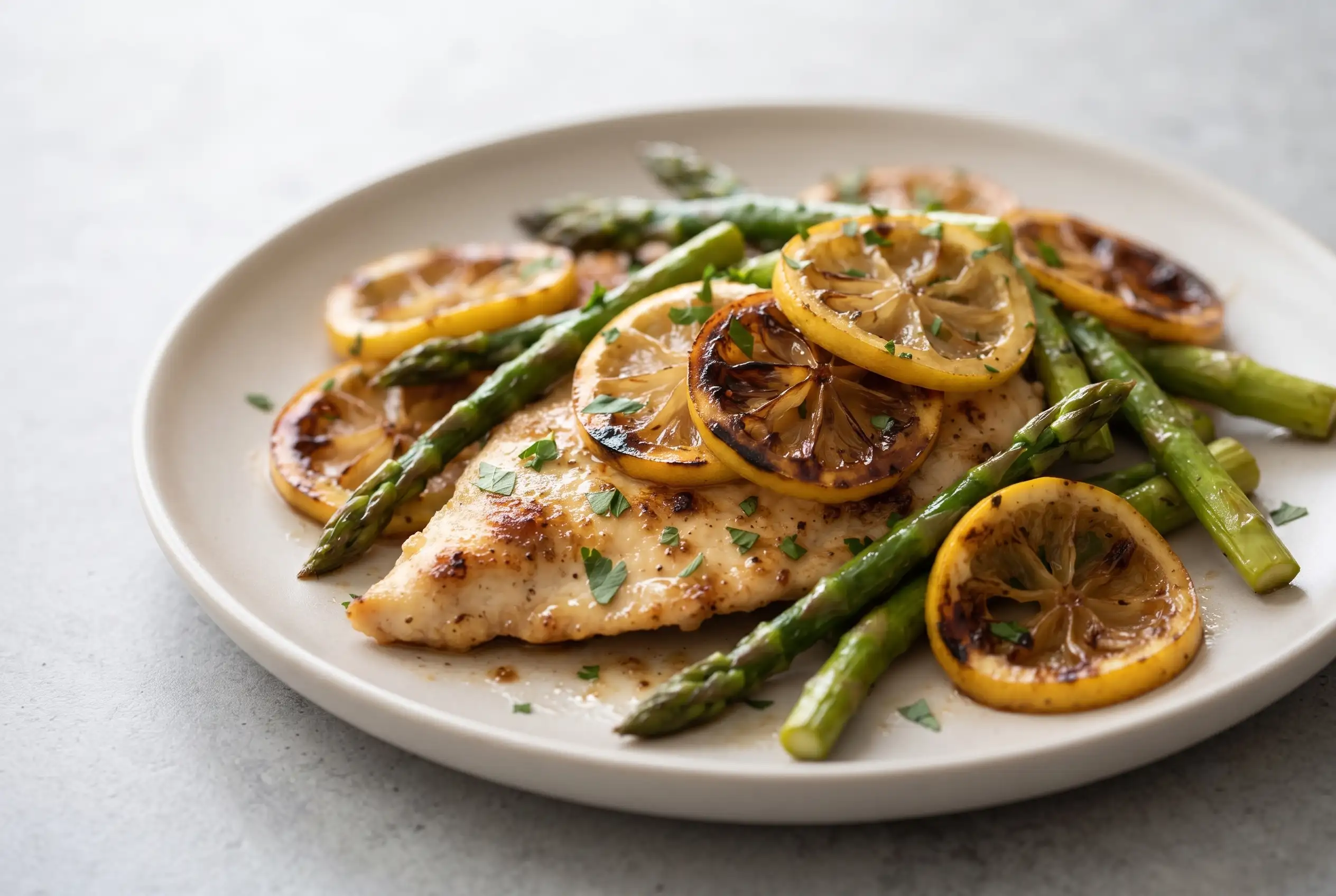
Lemon chicken with asparagus brings together golden skillet chicken, bright citrus, and tender vegetables in a simple combination that feels fresh without requiring complicated preparation. Thin pieces of chicken develop a flavorful browned surface, while lemon slices cooked in the same pan capture the savory bits left behind from the chicken and butter.
The balance of rich butter, sharp lemon, and crisp-tender asparagus makes this lemon chicken a useful choice for weeknight meals and relaxed gatherings. Small technique choices, including preparing even chicken pieces and watching the pan carefully, help every part of the dish come together with better texture and flavor.
Lemon Chicken Creates Bright Skillet Flavor
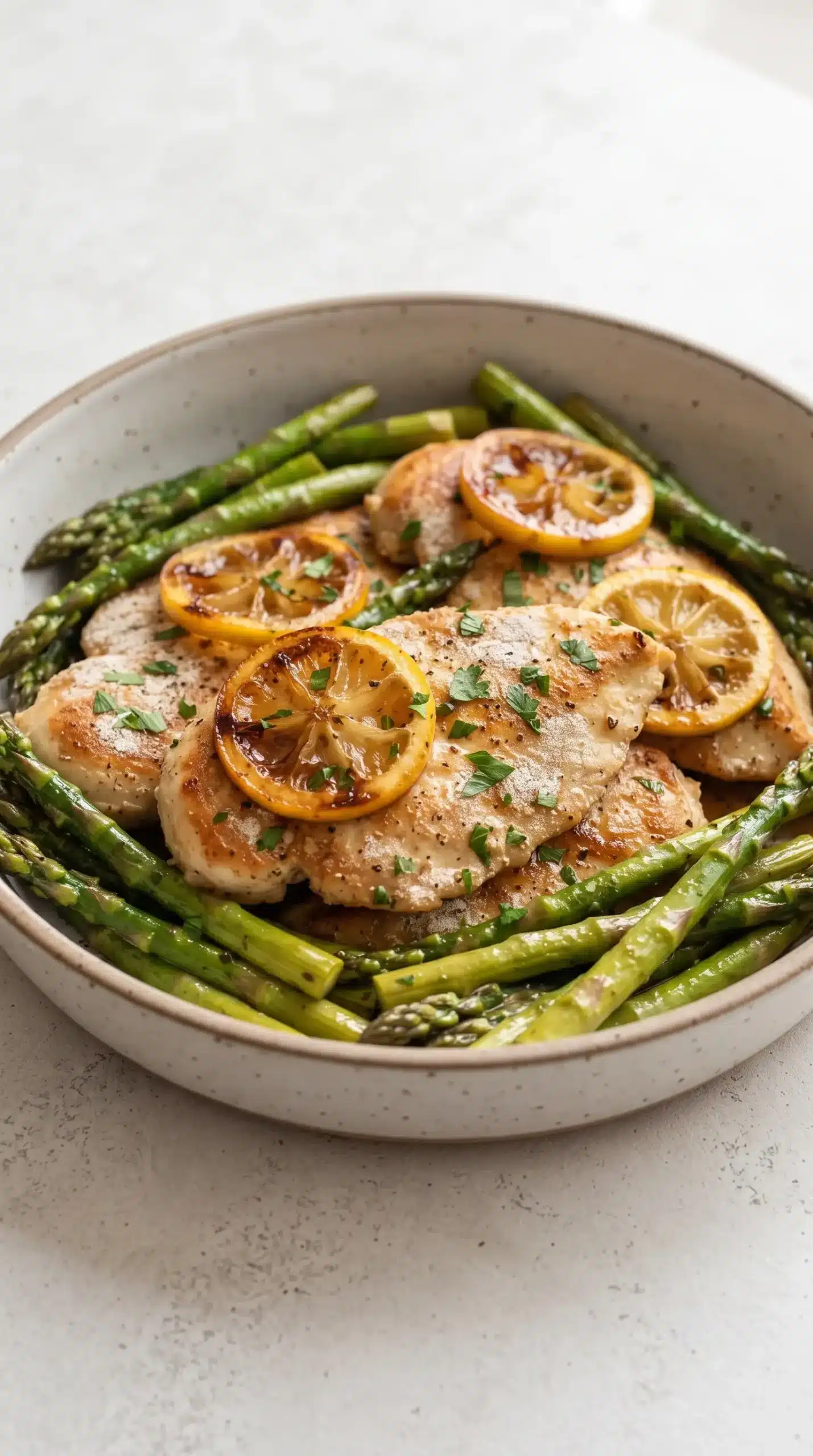
Skillet lemon chicken depends on contrast. The chicken develops a golden coating from the flour and butter, while the lemon brings acidity that keeps the dish lively. Asparagus adds a fresh vegetable element that works naturally with the citrus notes.
Cooking the lemon slices directly in the same skillet allows them to pick up flavors from the browned chicken. The citrus becomes part of the pan experience instead of acting only as a finishing touch.
Simple layering also makes the finished dish visually appealing. Chicken, green asparagus, and caramelized lemon slices create clear flavors and colors without requiring additional sauces or complicated garnishes.
Chicken Thickness Shapes Even Cooking Results
Chicken breasts often vary in thickness, which can make skillet cooking uneven. Flattening thicker areas helps create pieces with a more consistent shape so the surface can brown while the inside cooks through.
Very thick chicken breasts can also be divided horizontally before cooking. This adjustment keeps the preparation practical when pounding is not the preferred option.
- Even pieces: Help the chicken cook at a similar pace across the skillet.
- Light coating: Creates a surface that can brown with the butter.
- Gentle handling: Keeps the chicken from becoming compressed before cooking.
Flour and Lemon Pepper Guide the Chicken Surface
The thin flour coating used for lemon chicken with asparagus is important because it creates a base for browning in the skillet. The coating should lightly cover the chicken instead of forming a thick layer that hides the texture of the meat.
Lemon pepper seasoning is added directly during skillet cooking, allowing its citrus and pepper notes to settle onto the chicken surface. Salt and pepper in the flour help season the chicken from the beginning of cooking.
| Cooking element | Purpose in the skillet | Helpful approach |
|---|---|---|
| Flour coating | Supports surface browning | Use a light, even layer |
| Butter | Provides richness for cooking | Watch heat to protect the surface |
| Lemon pepper | Adds citrus and pepper flavor | Season during skillet cooking |
Asparagus Texture Depends on Quick Pan Cooking
Asparagus needs only a short time in the skillet to become bright green and just tender-crisp. Keeping the vegetable firm preserves its fresh texture and prevents it from becoming soft alongside the chicken.
Chopped asparagus makes each bite easier to combine with the chicken and lemon. Keeping vegetable preparations simple helps preserve the fresh texture of the meal, including a Asparagus Pea Saute with Butter and Honey Vegetable Side that uses quick pan cooking to maintain tender vegetables.
Vegetable size influences the result. Smaller pieces cook more quickly, while larger pieces may need additional attention to reach the desired tenderness without losing their color.
Lemon Slices Transform the Skillet After Chicken
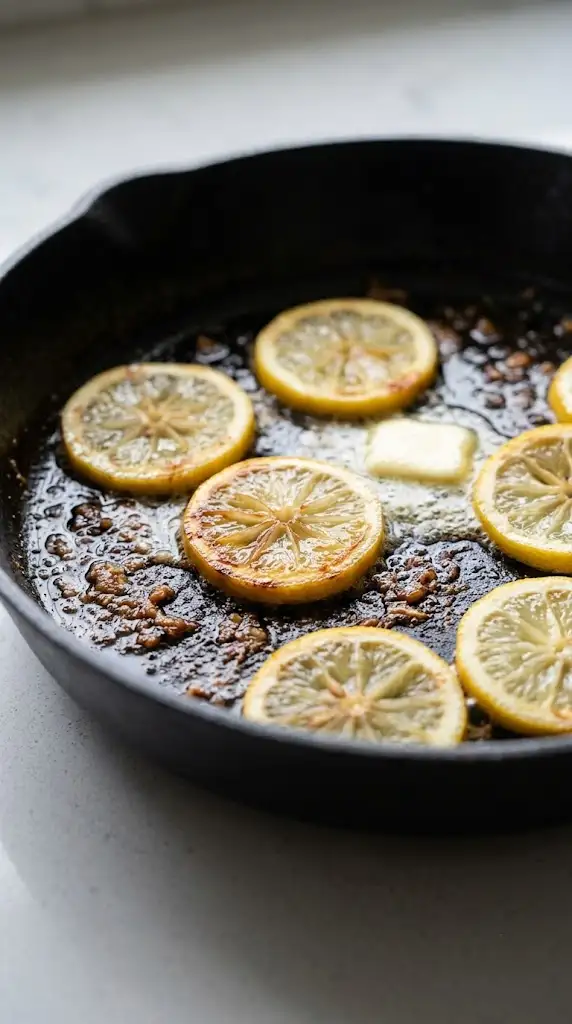
Lemon slices have a unique role in this chicken with asparagus recipe because they are briefly cooked in the same pan that prepared the chicken. Their contact with the skillet surface encourages browning and develops a deeper citrus flavor.
A small amount of butter can help the lemon slices brown while reducing sticking. Keeping the slices flat against the pan gives them the opportunity to pick up the savory browned areas left behind.
After cooking, the lemon slices become more than decoration. They can be arranged over the chicken and asparagus so their flavor continues to blend with the other components.
Skillet Control Keeps Lemon Chicken Tender
Good skillet control comes from paying attention to heat, movement, and timing. Chicken benefits from a hot pan that allows browning, but the cooking surface still needs enough attention to prevent the coating from becoming too dark.
Moving ingredients in and out of the pan at the right moments helps preserve texture. Chicken rests while asparagus cooks, and lemon slices receive their own contact with the skillet instead of crowding the pan.
- Prepare the chicken pieces so their thickness is manageable.
- Watch the surface color as the chicken browns in butter.
- Cook the vegetables and lemon slices separately enough to maintain their individual textures.
Common Lemon Chicken Mistakes That Affect Flavor
Several small mistakes can change the texture and balance of skillet lemon chicken. Most problems come from uneven chicken preparation, excessive handling, or missing the visual signs that show when each component is ready.
Overcrowding the pan can limit browning because the chicken needs enough contact with the skillet surface. Working in a way that allows the pieces to cook properly helps maintain the golden exterior that defines the dish.
Other common issues include:
- Thick chicken pieces: They can cook unevenly, so flatten or divide them for a more consistent shape.
- Darkened coating: Excessive heat can affect the flour surface, so monitor the skillet while browning.
- Soft asparagus: Longer cooking can reduce the crisp-tender texture, so remove it once bright and tender.
Honey Butter Adds a Sweeter Lemon Finish
The optional honey and butter combination provides another direction for the skillet flavors. It creates a slightly sweeter finish that complements the acidity of the lemon and the savory chicken.
Because the main dish already has richness from butter and brightness from citrus, the optional addition works best when the cook wants a softer balance of flavors.
Serving Ideas Highlight Lemon Chicken with Asparagus
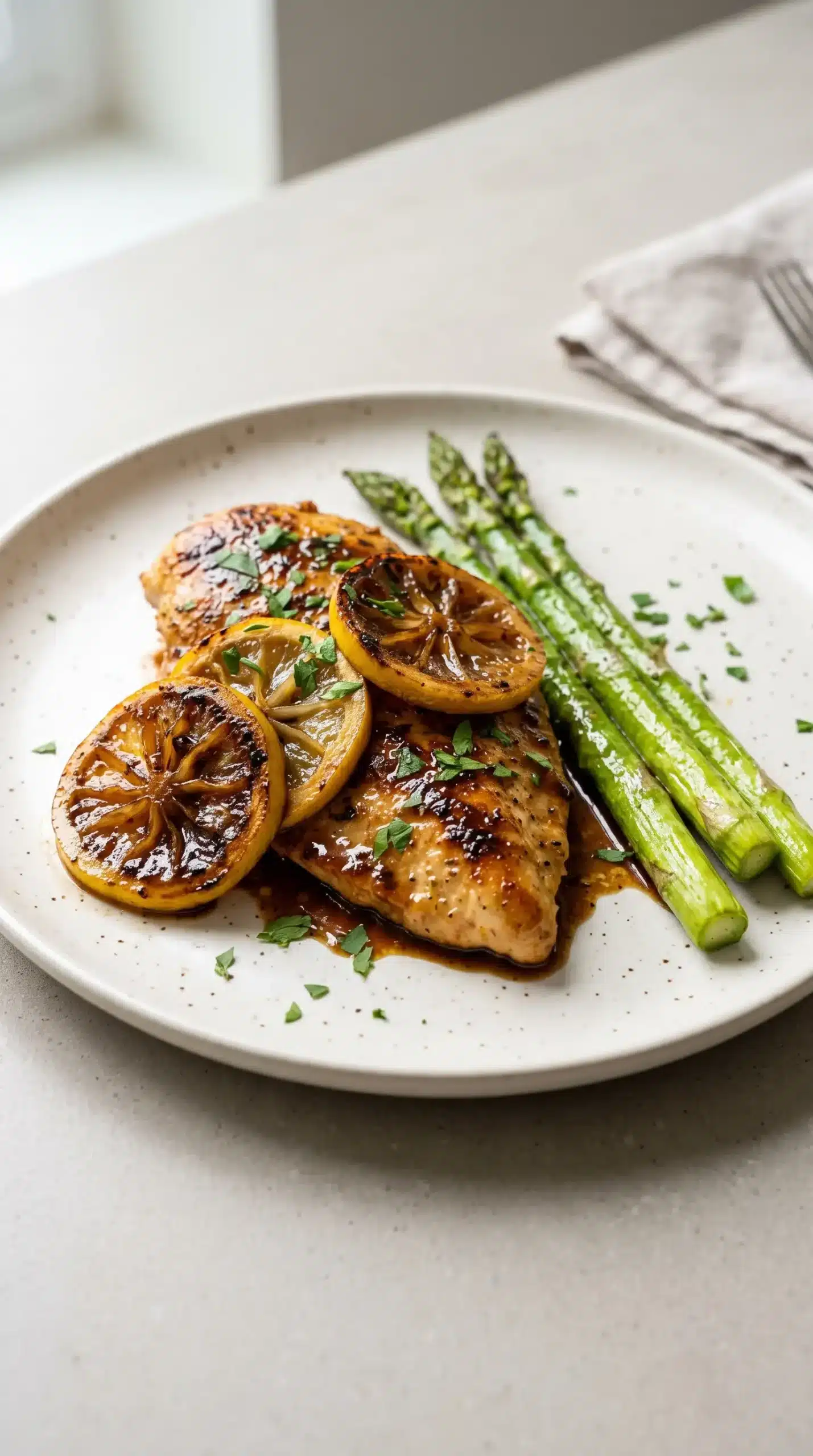
Lemon chicken with asparagus can stand on its own because the skillet includes protein, vegetables, and bright citrus flavor. Simple accompaniments can help absorb the flavors from the pan.
Rice, pasta, or another mild side can work well when extra space is needed for the lemon and butter flavors. The dish also fits naturally into meals where a fresh vegetable component is preferred.
Storage Choices Protect Chicken and Vegetable Texture
Leftover skillet lemon chicken is best handled with attention to texture. Keeping components covered and chilled helps preserve the cooked chicken and asparagus after serving.
When reheating, gentle warming helps prevent the chicken from becoming overly dry. The lemon slices can remain with the dish to continue adding flavor as it is warmed.
Lemon Chicken With Asparagus Shows Simple Cooking Control
Lemon chicken with asparagus succeeds because each element receives the attention it needs: chicken develops a golden surface, asparagus keeps its fresh bite, and lemon slices gain deeper flavor from the skillet.
The most important judgment comes from watching the food as it cooks. Color, texture, and pan contact guide the process, creating a balanced meal from a short ingredient list and a few focused techniques.
Lemon Chicken Questions About Thickness, Storage, and Flavor
Can lemon chicken be made with chicken thighs instead of breasts?
Chicken thighs can be used if you prefer darker meat, although the cooking behavior may change because thighs usually contain more fat and can vary in thickness. Adjust cooking attention based on the size and texture of the pieces.
How can I keep the asparagus from becoming too soft?
Cook the asparagus only until it reaches a bright green color and tender-crisp texture. Removing it from the skillet once it reaches that point helps preserve its structure while it rests with the other ingredients.
Can I prepare the chicken pieces ahead of cooking?
The chicken can be flattened or cut into thinner pieces ahead of time and kept chilled until cooking. Preparing the pieces in advance can make the skillet process easier when assembling the meal.
Why do the lemon slices need to be cooked in the skillet?
Cooking the lemon slices allows them to interact with the browned areas left from the chicken and butter. This creates a more developed citrus flavor than adding uncooked slices at the end.
What side dishes work well with lemon chicken?
Mild sides such as rice or pasta pair well because they allow the lemon, butter, and savory chicken flavors to remain noticeable. A simple side can also help make use of the flavorful pan juices.
Lemon Chicken with Asparagus and Butter Skillet Dish
Lemon chicken with asparagus is a fresh skillet dish featuring tender chicken, crisp-tender asparagus, and bright citrus flavor. It is an easy, flavorful meal that works well for weeknight dinners or simple gatherings.
Ingredients
Method
Preparation
- Cover the chicken breasts with plastic wrap and pound them until each piece is about 3/4 inch thick. If the breasts are very thick, slice them horizontally instead to create thinner pieces.
- Place the flour, salt, and pepper in a shallow dish. Coat each chicken breast lightly in the flour mixture.
Cooking
- Melt the butter in a large skillet over medium-high heat. Add the chicken and cook for 3-5 minutes on each side, seasoning each side with lemon pepper while it cooks.
- Transfer the cooked chicken to a plate once it is golden brown and cooked through.
- Add the chopped asparagus to the skillet and sauté for a few minutes until bright green and tender crisp. Remove the asparagus and set aside.
- Place the lemon slices flat in the skillet and cook for a few minutes on each side without stirring so they caramelize and absorb the browned bits from the pan.
- Remove the lemon slices from the skillet and set them aside.
Assembly
- Return the asparagus and chicken to the skillet and arrange the lemon slices on top.
Notes
For more even cooking, prepare the chicken pieces to a similar thickness before coating and cooking.