From breakfast to dinner, from healthy meals to sweet desserts – Next Yum Recipes brings you quick, simple and tasty ideas for every occasion and every time.


 This Recipe
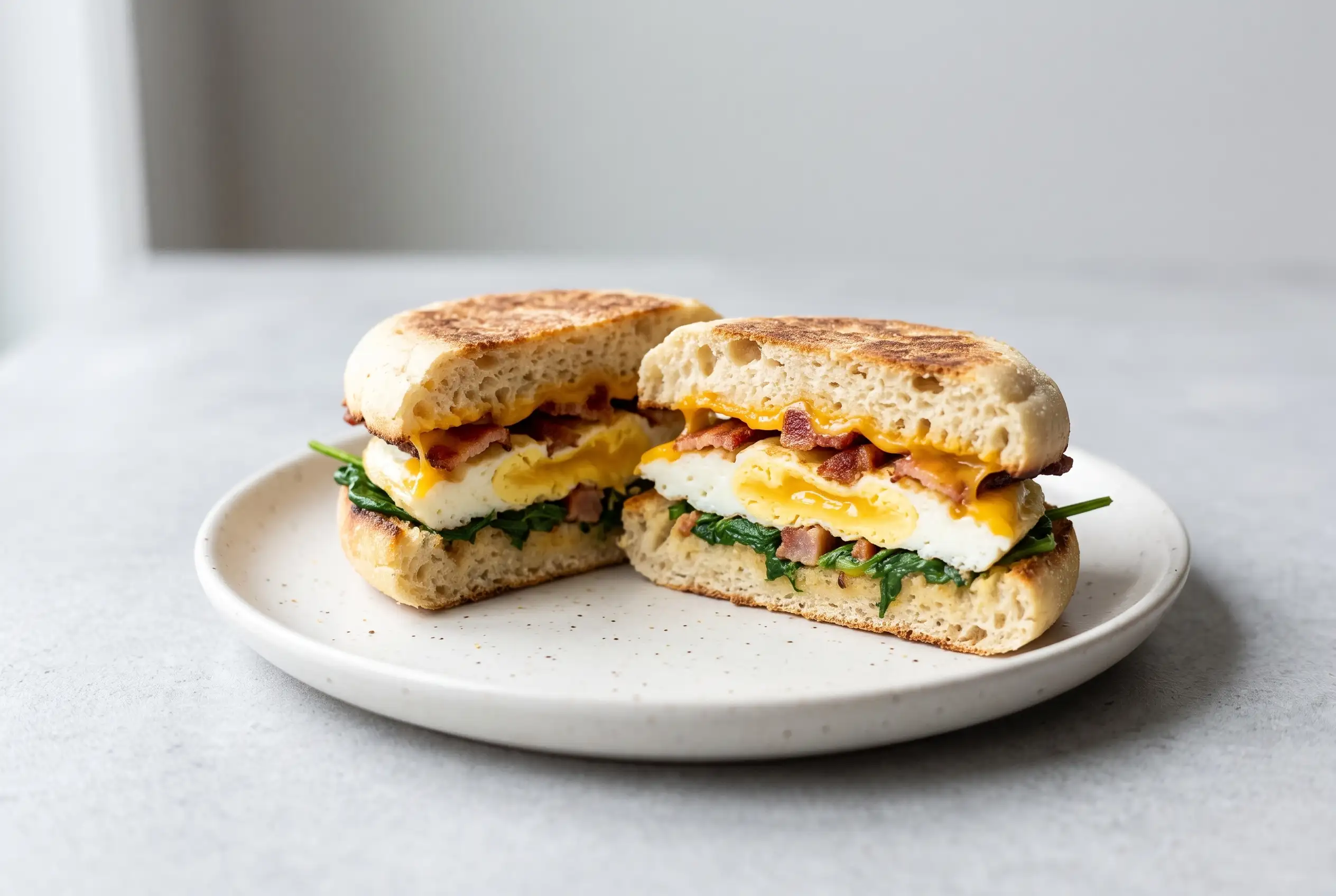
Meal prep breakfast sandwiches make busy mornings easier by turning a simple baked egg filling, crispy bacon, and English muffins into a ready-to-enjoy meal that can be prepared ahead. These sandwiches rely on a few practical techniques that help the eggs stay tender, the bread remain satisfying, and each portion reheat well.
Busy mornings often create a need for dependable food that does not require a full cooking session. Meal prep breakfast sandwiches fit that routine because the baked egg layer can be prepared in one piece, portioned, assembled, and stored for later use. The format works for weekday breakfasts, quick lunches, or a convenient option after a morning workout.
Baked egg breakfast sandwiches create a sturdy filling
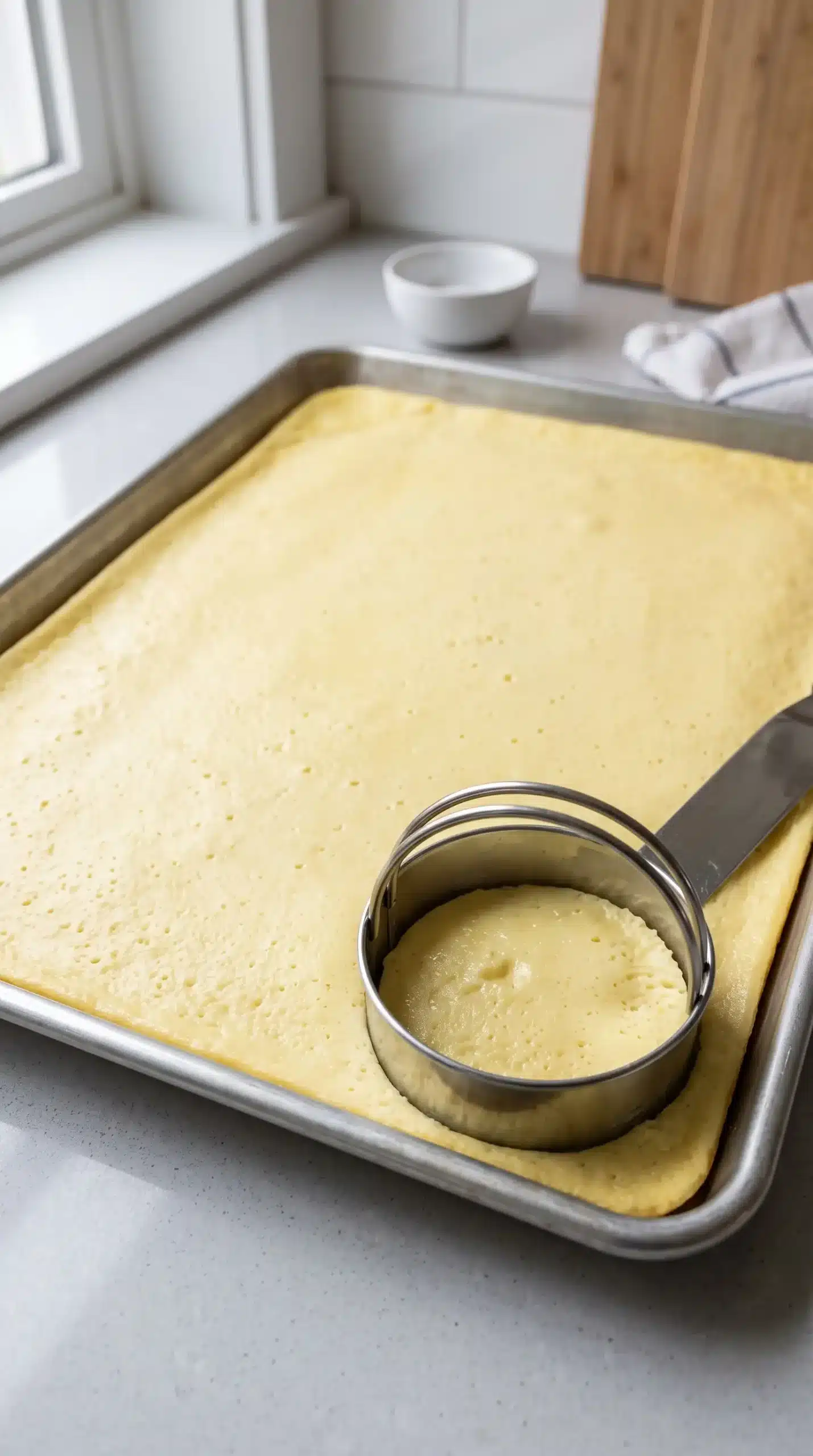
Baked egg breakfast sandwiches depend on an even egg layer that can be cut into portions without falling apart. Baking the whisked eggs in a rimmed pan creates a consistent shape that fits naturally inside English muffins, helping each sandwich hold together during storage and reheating.
Careful egg preparation starts before the pan reaches the oven. Whisking the eggs with milk and salt distributes the seasoning throughout the mixture, while the added dairy helps create a softer texture. A gently cooked egg layer is easier to handle than eggs cooked quickly over high heat.
When assembled with bacon, spinach, and optional cheese, the baked egg rounds become a flexible base for make ahead breakfast sandwiches. The structure allows different portions to be wrapped individually while keeping the filling contained between the muffin halves.
Egg layers improve freezer breakfast sandwiches texture
Thickness plays an important role in freezer breakfast sandwiches because the egg portion needs enough structure to reheat without becoming difficult to eat. Adjusting the baking pan size changes the thickness of the egg layer and can create a heartier sandwich when a taller filling is preferred.
Bacon and spinach choices shape sandwich balance
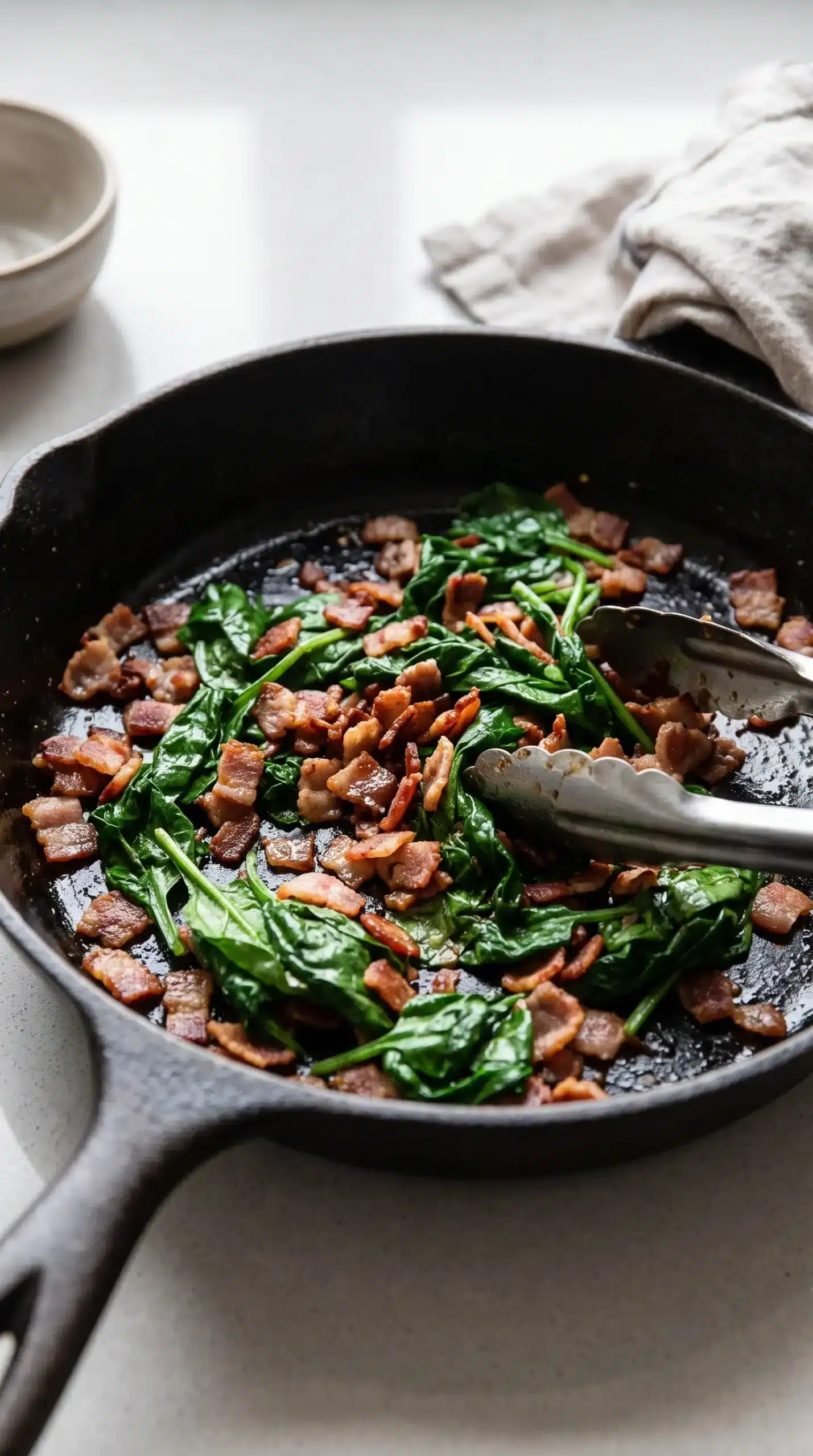
Bacon brings a savory, crisp element that contrasts with the soft egg layer. Cooking the bacon pieces before combining them with the eggs allows the flavor to spread throughout the filling while reducing excess grease before baking.
Spinach adds a fresh vegetable element without requiring a separate layer inside the sandwich. Stirring the greens into the cooked bacon briefly wilts them, which helps them blend into the egg mixture and prevents large pieces from making the sandwiches difficult to bite.
Cheddar, gruyere, or another melting cheese can change the overall character of meal prep breakfast sandwiches by adding richness and a smoother texture. Keeping cheese optional also makes it simple to prepare portions that match different preferences.
English muffins handle make ahead breakfast sandwiches storage
English muffins provide a practical foundation because their shape naturally surrounds the egg filling and their texture holds up well after wrapping. Lightly buttering the inside is optional, but it can add flavor and help create a more satisfying bite after reheating.
Cooking control keeps baked egg breakfast sandwiches consistent
Successful assembly begins with managing moisture and heat. The egg mixture should be baked until just set so the finished rounds remain tender instead of becoming dry after another heating step later.
Pan selection influences the finished sandwich more than many cooks expect. A wider pan produces thinner egg portions, while a smaller pan creates a thicker layer that may require additional baking time to cook through. Choosing the pan based on the desired sandwich style helps create more predictable results.
Consistent portions also improve storage and reheating. Cutting the egg layer into similar rounds allows each sandwich to contain a balanced amount of filling, which makes the experience more uniform from one serving to the next.
Common meal prep breakfast sandwiches mistakes to avoid
Common problems with meal prep breakfast sandwiches usually come from moisture, uneven portions, or rushed cooling. An egg layer that contains too much trapped moisture can affect the texture of the English muffin after storage.
Overfilling the muffins can make wrapping and reheating more difficult. Keeping the filling centered helps the sandwich stay intact and allows heat to reach the egg portion more evenly.
Moisture buildup can also happen when hot components are sealed immediately. Allowing the baked egg portion to cool before assembly helps protect the bread texture and improves the finished result after reheating.
Reheating keeps breakfast sandwiches ready to enjoy
Reheated sandwiches can be warmed in several ways depending on the texture you want. Heating while wrapped helps retain moisture, while opening the sandwich near the end of warming can bring back more texture to the English muffin.
Customizing meal prep breakfast sandwiches with simple changes
Different fillings can adjust meal prep breakfast sandwiches without changing the basic preparation process. Creamy toppings and sharper cheeses can change the finished sandwich experience, with combinations like a breakfast sandwich with guacamole and pepperjack cheese showing how added toppings influence texture and flavor.
Vegetable additions should be chosen with moisture in mind. Ingredients that release a lot of water may need preparation before joining the egg mixture so the filling remains firm after cooking and storage.
Additional seasonings, sauces, or toppings can change how each sandwich feels when served. A spicy sauce, fresh avocado, or extra seasoning added after reheating can create contrast without affecting the stored sandwich structure.
Storage choices protect breakfast sandwich quality
Stored sandwiches stay most useful when wrapped individually and handled in a way that matches when they will be eaten. Refrigerated portions work well for short-term planning, while frozen portions provide a longer-lasting breakfast option.
After preparation, cooked breakfast sandwiches should be cooled and stored promptly, with refrigerate perishable foods within two hours as a practical rule for protecting refrigerated portions.
Morning routines benefit from prepared sandwich portions
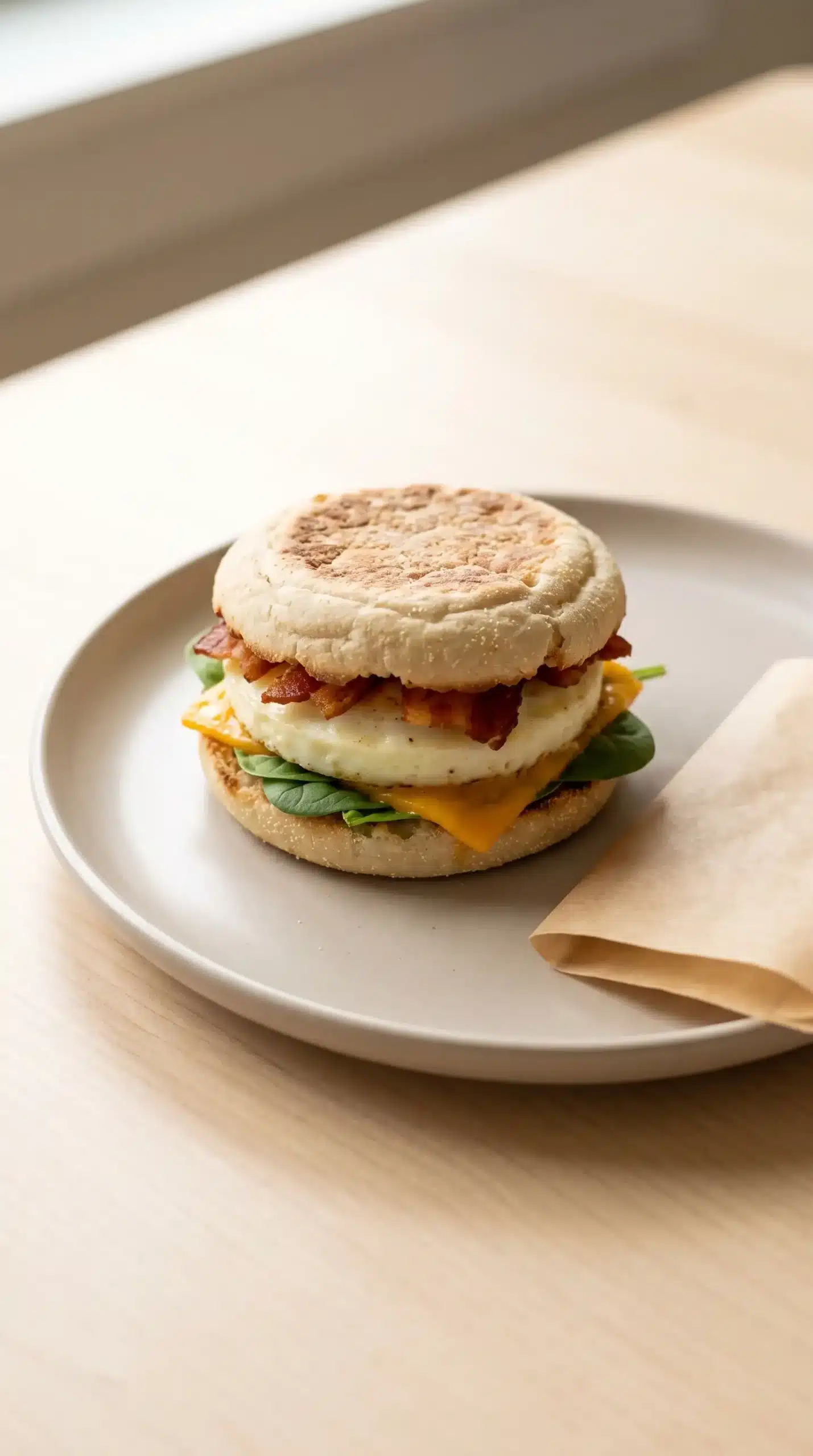
Morning meals become easier when portions are already assembled and require only reheating. A prepared sandwich removes several decisions from a busy start to the day while still offering a warm breakfast with protein, vegetables, and a filling bread base.
Serving options can also change the experience. The sandwich can be enjoyed as prepared, paired with fruit, or finished with condiments added after heating for extra freshness and flavor.
Portioned breakfasts are especially useful when different people need food at different times. Individual wrapping makes it simple to take only what is needed without reheating an entire batch.
Meal prep breakfast sandwiches fit flexible weekly planning
Weekly breakfast planning becomes more manageable when the sandwich format is treated as a customizable base instead of a single fixed combination.
| Preparation choice | Best benefit | Important consideration |
|---|---|---|
| Refrigerated sandwiches | Quick access for near-term meals | Protect the bread from excess moisture |
| Frozen sandwiches | Longer storage flexibility | Allow extra warming time when reheating |
| Optional cheese portions | Different flavor preferences | Add based on desired richness and texture |
Planning around these choices helps create a breakfast routine that matches different schedules while keeping preparation simple.
Baked egg breakfast sandwiches succeed through balanced preparation
Baked egg breakfast sandwiches work best when the soft filling, sturdy muffin, and flavorful additions are prepared with attention to texture. The egg layer provides the structure, while bacon, spinach, and cheese create the contrast that makes each portion satisfying after reheating.
Prepared portions remain dependable because the cooking decisions happen before the busy moment arrives. A carefully baked filling and properly handled sandwich create a practical breakfast that can move from storage to table without losing its appeal.
Meal prep breakfast sandwiches questions about storage and reheating
Can freezer breakfast sandwiches be reheated without thawing?
Freezer breakfast sandwiches can be reheated directly from frozen, but they need additional warming time compared with refrigerated portions. Using an oven or toaster oven can help warm the center while maintaining a better English muffin texture.
How can I prevent soggy breakfast sandwich bread?
Thawing or cooling components properly before assembly helps reduce trapped moisture. Keeping the filling centered and avoiding excess wet ingredients also protects the muffin from becoming soft during storage.
Can I make a thicker egg layer for these sandwiches?
Thicker egg layers can be created by using a smaller baking pan and adjusting the baking time. The important step is confirming that the center is fully set before cutting portions for assembly.
What cheese works well in breakfast sandwiches?
Melting cheeses such as cheddar or gruyere pair well because they add flavor and a creamy texture when warmed. Cheese selection can be adjusted based on how mild or rich you want the finished sandwich to taste.
How do I make the English muffins crisp after reheating?
Opening the sandwich near the end of reheating and briefly exposing the muffin to higher heat can create a crisper surface. This works especially well when you prefer a toasted texture instead of a softer sandwich.
Meal Prep Breakfast Sandwiches with Bacon and Spinach
Meal prep breakfast sandwiches combine a tender baked egg layer with savory bacon, spinach, and optional cheese for a hearty make-ahead breakfast. They are an easy choice for busy mornings when a satisfying grab-and-go meal is needed.
Ingredients
Method
Preparation
- Preheat the oven to 300°F (149°C). Coat a rimmed half sheet pan generously with oil.
- Whisk together the eggs, milk, and salt until combined.
- Cut the bacon into small pieces and cook in a heavy skillet until crisp. Add the spinach and cook briefly until wilted. Drain excess fat from the bacon and spinach mixture, then add it to the egg mixture.
Baking
- Pour the egg mixture into the prepared 13 x 18-inch rimmed half sheet pan. Bake for 15 minutes, until the egg layer is just set.
- Allow the baked egg layer to cool, then cut into rounds using a wide mason jar lid or round cookie cutter.
Assembly
- Spread the English muffins with butter if desired. Place one egg round on each muffin, add cheese if using, and wrap the assembled sandwiches in foil.
Serving
- Serve immediately or reheat using the preferred method.
Notes
Refrigerated sandwiches can be reheated in a toaster oven, regular oven, toaster, or microwave. For an oven method, keep the sandwich wrapped in foil and warm it at 425°F (218°C) for about 8-10 minutes in a preheated oven, or about 10-15 minutes if the oven is still heating. For a crispier English muffin texture, unwrap the sandwich, open it, and broil for 3-5 minutes until heated and crisp. Frozen sandwiches can be thawed overnight in the refrigerator before reheating, or warmed directly from frozen for about 30 minutes. A thicker egg layer can be made in a quarter sheet pan with additional baking time of 20-30 minutes to ensure it is cooked through.