From breakfast to dinner, from healthy meals to sweet desserts – Next Yum Recipes brings you quick, simple and tasty ideas for every occasion and every time.


 This Recipe
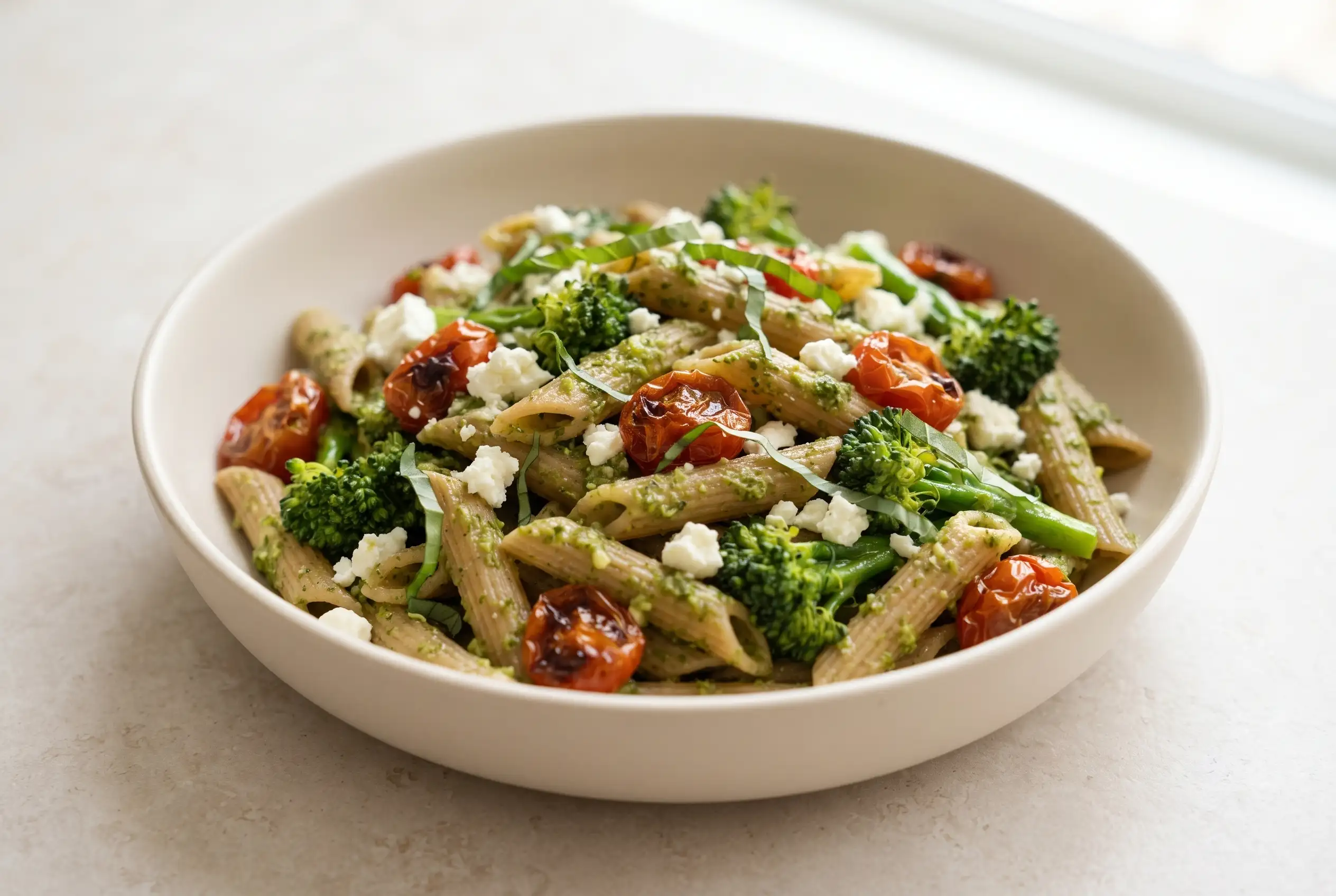
Lemon pesto pasta brings together bright citrus, herbaceous pesto, whole wheat penne, and fresh vegetables in a dish that feels balanced without relying on heavy sauces. This lemon pesto penne recipe uses a short ingredient list to create a meal where texture matters as much as flavor, with tender pasta, crisp-tender baby broccoli, sweet roasted tomatoes, and a creamy salty finish from feta.
Lemon Pesto Penne Brings Bright Weeknight Balance
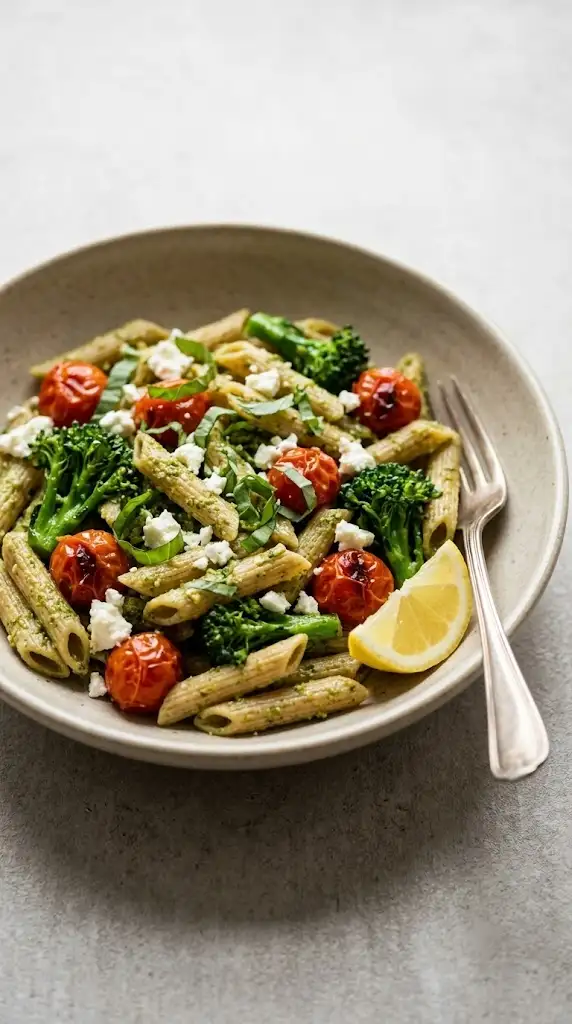
Fresh lemon juice changes the character of pesto by adding acidity that lifts the herb and oil flavors. The penne shape gives the sauce plenty of places to cling, while the vegetables create a colorful bowl that works for lunch or dinner. The combination makes lemon pesto pasta a useful option when a simple pasta dish needs more contrast and freshness.
Whole Wheat Penne and Pesto Shape the Bowl
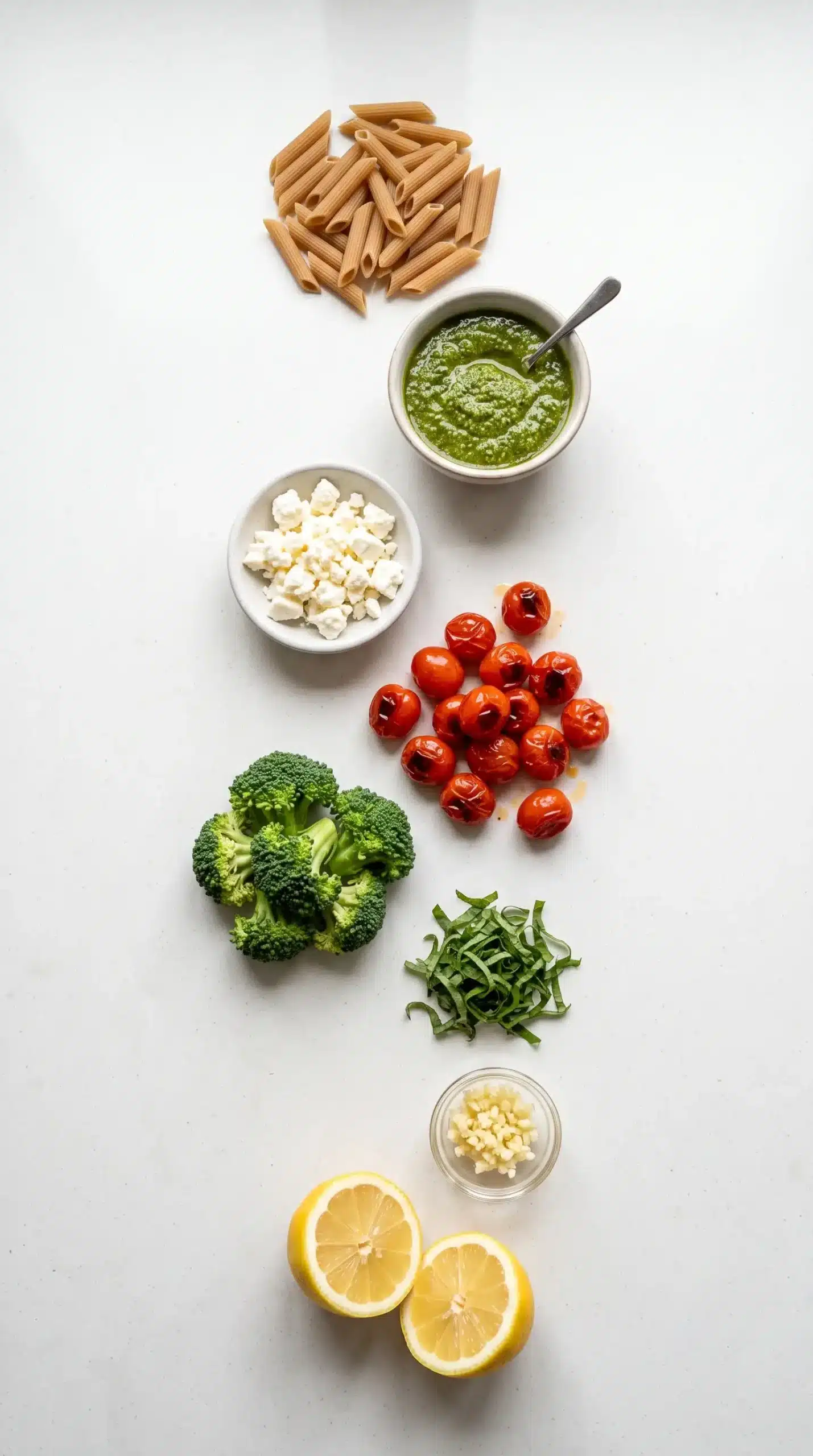
Whole wheat penne provides a sturdy base that holds up well with pesto and vegetables. Its slightly nutty flavor supports the basil-forward sauce, while the ridged shape helps carry small pieces of feta, roasted tomato, and the lemony coating into each bite. Choosing a pasta shape with enough surface area helps the sauce feel evenly distributed.
Pesto performs best when it remains vibrant and recognizable. Adding it after the pasta and vegetables have developed their base flavors allows the herb mixture to stay noticeable instead of becoming lost during extended heat. The lemon juice works alongside the pesto by adding a sharp note that keeps the dish from feeling overly rich.
Feta adds a salty, tangy finish that complements the pesto without creating a separate sauce. Sprinkling some cheese through the pasta and reserving some for the top creates different textures throughout the serving. A small amount of basil added at the end reinforces the fresh flavor already present in the pesto.
Broccoli and Tomatoes Create Contrast
Baby broccoli and oven roasted tomatoes give lemon pesto penne recipe its vegetable-focused personality. The broccoli brings a tender green bite when briefly cooked with the pasta, while the tomatoes provide concentrated sweetness and a softer texture that blends into the pesto coating.
Lemon Pesto Penne Flavor Choices That Matter
Small ingredient decisions can noticeably change the finished bowl. Mild olive oil from the pesto, the intensity of the roasted tomatoes, and the amount of lemon juice all influence how the flavors come together. Adjustments should support the balance of herbs, acidity, vegetables, and cheese instead of overpowering one element.
Regular broccoli can replace baby broccoli when needed, creating a familiar version with slightly larger pieces. Broccolini offers a similar vegetable shape with a more delicate texture, while broccoli rabe introduces a stronger flavor profile. Each option changes the character of pesto penne with broccoli while keeping the same overall structure.
Garlic can be included for extra savory depth, but the pesto already contributes aromatic flavor. The optional garlic works best when lightly warmed with the vegetables so it becomes fragrant without taking attention away from the basil and lemon notes. Fresh basil ribbons added after cooking keep the dish lively.
- Vegetable swap: Choose broccoli, broccolini, or broccoli rabe based on the texture and flavor you prefer.
- Cheese balance: Keep feta as a finishing element so its salty tang remains distinct.
- Citrus adjustment: Add lemon carefully to brighten the pesto without hiding the herb flavor.
Pasta Water and Timing Protect the Texture
Cooking control begins with watching the vegetables closely during their brief time with the boiling pasta. Keeping baby broccoli bright green and tender helps preserve the contrast that makes this lemon pesto pasta satisfying instead of soft throughout.
Cooking Control Keeps Lemon Pesto Penne Together
Temperature changes affect how pesto behaves once it meets warm pasta. Gentle tossing after the heat is reduced helps coat the penne while protecting the fresh qualities of the sauce. Excessive cooking after adding pesto can mute the flavors that make the dish distinctive.
Texture depends on recognizing the difference between cooked vegetables and overcooked vegetables. Baby broccoli should keep some structure after its short cooking time, allowing each forkful to include a noticeable vegetable element. The pasta should also maintain enough firmness to support the sauce and toppings.
Skillet tossing creates an opportunity to combine the components evenly. The warm pasta surface helps distribute pesto, lemon juice, tomatoes, and cheese so that every portion receives the same combination of flavors. A careful finish creates a cohesive bowl without requiring a long preparation process.
| Cooking decision | What to watch | Result in the finished pasta |
|---|---|---|
| Adding baby broccoli near the end of pasta cooking | Bright green color and tender texture | Vegetables stay fresh-tasting with a gentle bite |
| Adding pesto after combining warm ingredients | Even coating without prolonged heat | Basil flavor remains more noticeable |
| Finishing with feta and basil | Distribution across servings | Salty and fresh accents appear throughout the bowl |
Lemon Pesto Penne Mistakes That Flatten the Finish
One common mistake with lemon pesto pasta is allowing the pesto to cook for too long. Extended heat can reduce the fresh flavor that makes pesto valuable in the dish because heat affects pesto flavor. Adding it during the finishing stage keeps the sauce closer to its intended character.
Another issue occurs when vegetables lose their texture before serving. Baby broccoli only needs a short cooking period, and keeping an eye on color and firmness helps avoid a dull, overly soft result. If the vegetables become too tender, the pasta may lose some of the contrast that makes each bite interesting.
Using too much oil from roasted tomatoes can also affect the balance of the bowl. Rinsing excess oil from packaged roasted tomatoes helps the pesto remain the main sauce element instead of creating a heavier coating. The finished pasta should have enough richness from pesto and feta without feeling weighed down.
Serving Ideas for Lemon Pesto Penne
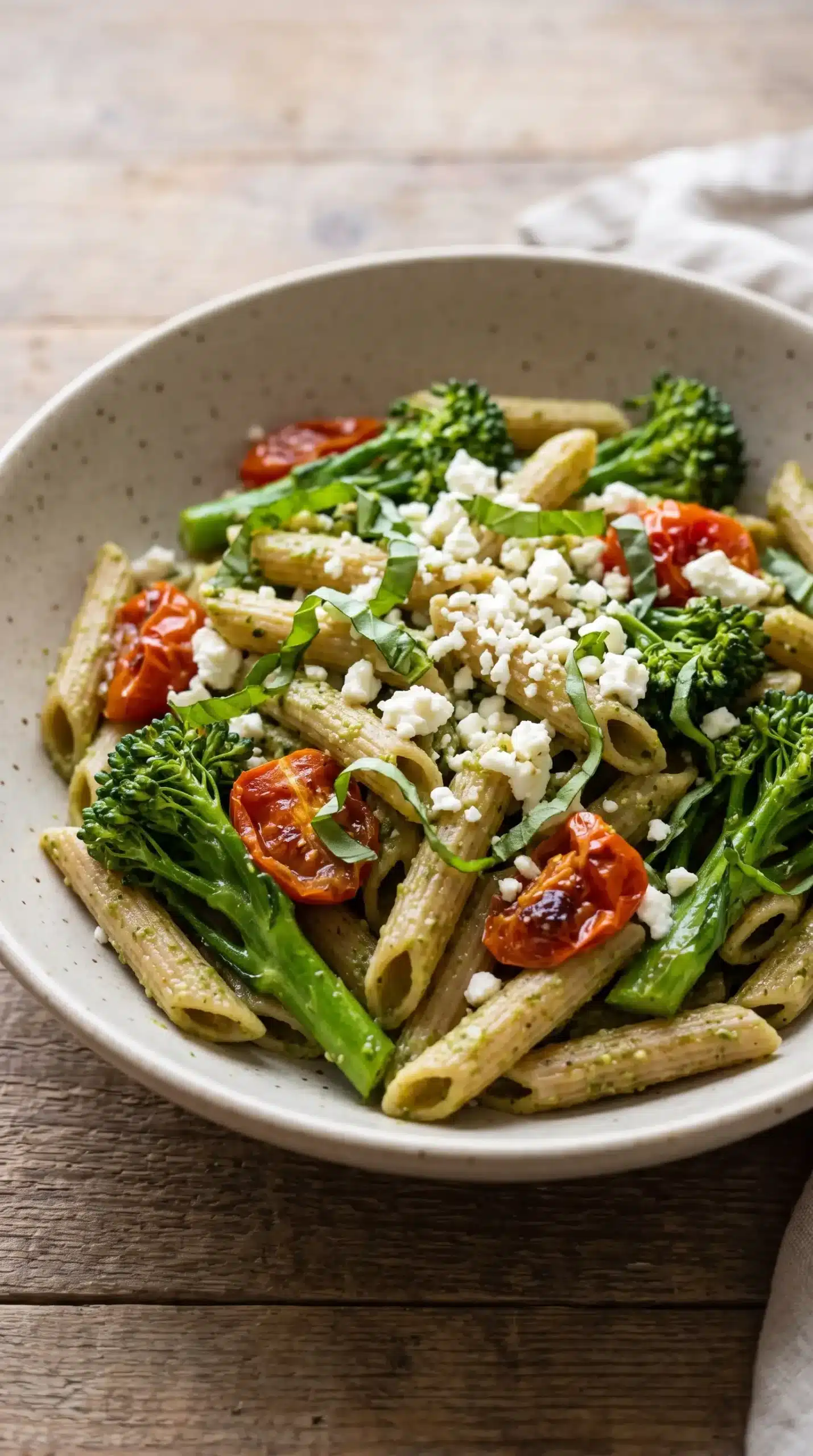
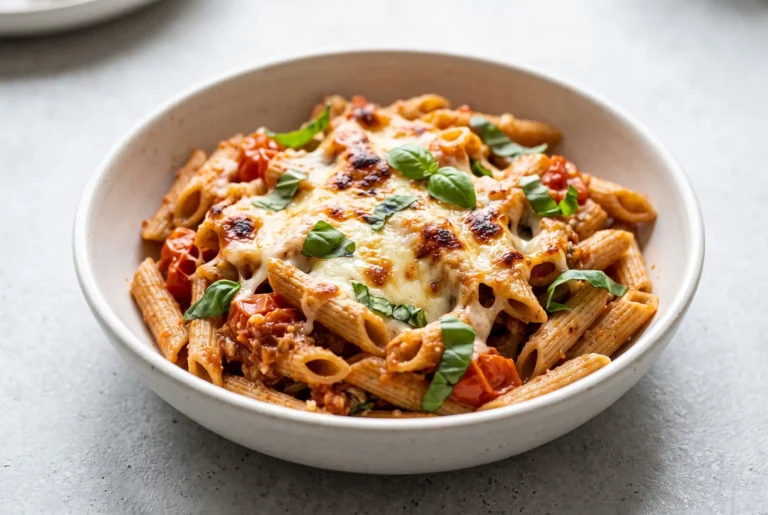
Lemon pesto penne works well served warm with fresh basil scattered over the top and extra feta for a salty finish. The pasta can stand alone as a vegetable-focused meal, or it can accompany a larger spread alongside dishes such as Caprese Penne baked pasta when tomato, basil, and cheese flavors are part of the menu.
Pesto Penne with Broccoli Variations
A flexible pasta structure makes it easy to adapt without changing the core idea. The vegetables, pasta shape, and finishing flavors can shift while keeping the same bright pesto foundation. These changes are useful when working with available produce or personal preferences.
For a lighter variation, additional vegetables can replace some of the pasta portion while maintaining the pesto and lemon combination. Broccoli rabe, broccolini, or regular broccoli each bring different textures, giving cooks several ways to create a customized bowl.
Those looking for a more substantial meal can pair the pasta with an additional protein source or add extra vegetables alongside the existing ingredients. The balance of pesto, citrus, and feta provides a strong flavor base that works with many additions.
Storing Lemon Pesto Pasta Components
Cooling and storing the pasta thoughtfully helps preserve its textures. Keeping portions in sealed containers and reheating gently can help maintain the balance between the pesto coating, vegetables, and pasta structure. Fresh basil is best added after reheating for a brighter finish.
Lemon Pesto Penne Meal Planning Notes
A 20 minute lemon pasta style meal depends on efficient preparation choices. Having the pesto, vegetables, and toppings ready before combining the dish allows the cooking process to move smoothly and prevents overhandling the ingredients.
Portioning the pasta after it has been combined with the sauce helps distribute the vegetables and toppings evenly. Each serving benefits from a mixture of penne, broccoli, tomatoes, and feta instead of separating the components into layers.
Cold leftovers can also provide a different experience because the lemon and pesto flavors remain prominent. The pasta may be enjoyed as a chilled lunch option when a fresh, vegetable-forward meal is preferred.
Lemon Pesto Penne Finds Balance Through Fresh Finishing
Lemon pesto pasta succeeds when the warm penne, bright pesto, tender broccoli, roasted tomatoes, and finishing touches remain distinct while working together. The most important cooking judgment is protecting freshness: pesto should stay vibrant, vegetables should keep texture, and lemon should sharpen the flavors already present.
The combination of careful timing and simple finishing choices allows lemon pesto penne to deliver a satisfying bowl without complicated preparation. Each component has a clear role, and the finished pasta feels complete because those elements meet at the right moment.
Lemon Pesto Penne Questions About Reheating and Storage
Can lemon pesto pasta be reheated without losing its flavor?
Lemon pesto pasta can be reheated gently to preserve its texture. Warm it gradually and avoid cooking it for an extended time, since the pesto flavor is strongest when it is not exposed to unnecessary heat.
Can I use regular broccoli instead of baby broccoli in lemon pesto penne?
Regular broccoli works well as a substitute. Cut it into smaller pieces so it can cook alongside the pasta timing and still provide a tender texture that fits the dish.
What makes a lemon pesto penne recipe taste brighter?
Fresh lemon juice and basil added near the end help maintain a brighter flavor. The acidity from the lemon balances the richness of pesto and feta, creating a cleaner finish.
Can I prepare the vegetables ahead for pesto penne with broccoli?
The vegetables can be prepared ahead so assembly is faster. Keeping roasted tomatoes and broccoli ready separately makes it easier to combine the ingredients while preserving their individual textures.
What pasta shapes work if I do not have penne?
Other short pasta shapes with ridges or openings can work well because they capture pesto and small pieces of vegetables. Shapes with enough surface area help maintain the same coated texture.
Lemon Pesto Penne with Roasted Tomatoes and Feta Recipe
Lemon pesto penne is a fresh pasta dish with tender penne, crisp-tender vegetables, and a bright pesto lemon finish. It is an easy, flavorful meal that works well for a quick weeknight dinner.
Ingredients
Method
Cooking
- Cook the penne according to the package directions. Add the baby broccoli to the boiling pasta water during the final 1-2 minutes so it becomes bright green and tender.
- Drain the pasta and broccoli, then return them to the pan over medium-high heat.
- Add the roasted tomatoes and garlic to the pan and sauté for 1-2 minutes until fragrant.
- Stir in the pesto, half of the feta cheese, and lemon juice. Toss everything together until evenly combined.
- Remove the pan from the heat, add the basil ribbons, and finish with the remaining feta before serving.
Notes
Regular broccoli, broccolini, or broccoli rabe can also be used. Each option will bring a different flavor and texture while still working well in the dish.