From breakfast to dinner, from healthy meals to sweet desserts – Next Yum Recipes brings you quick, simple and tasty ideas for every occasion and every time.


 This Recipe
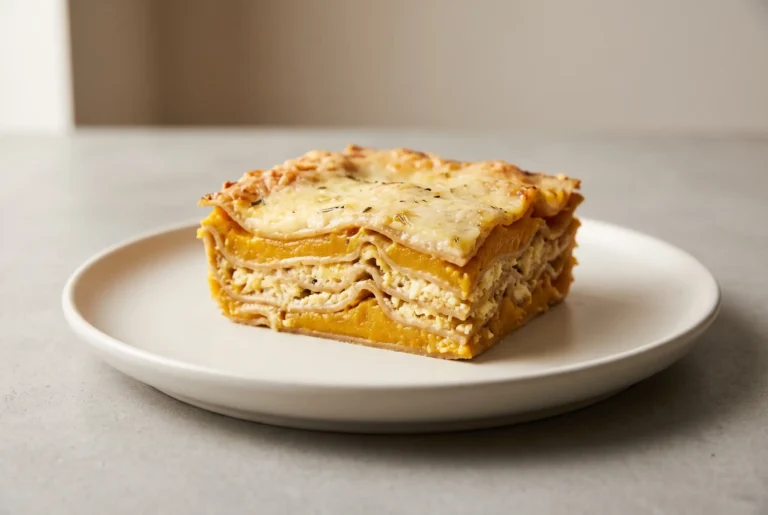
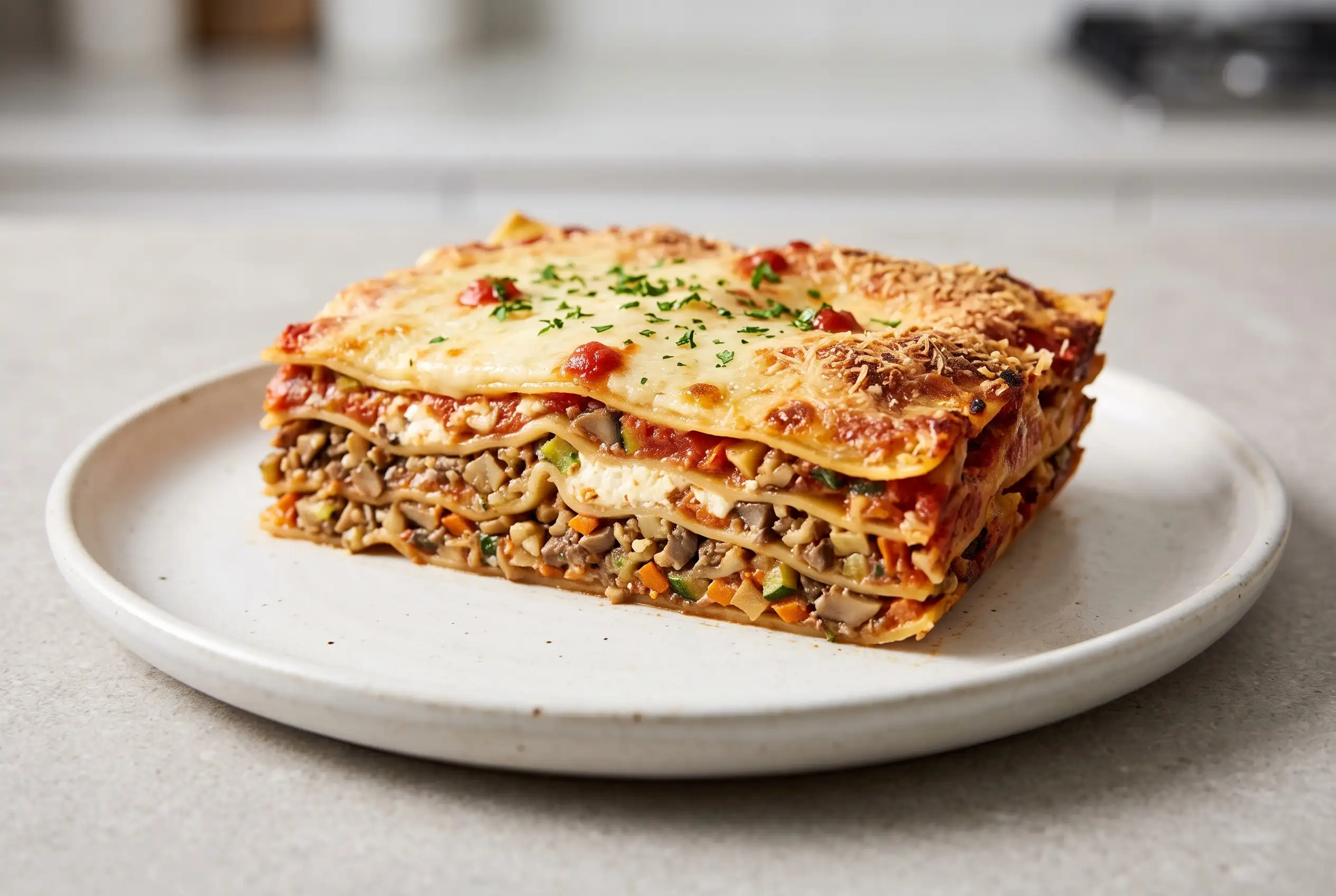
Vegetarian lasagna brings together a rich vegetable filling, creamy mascarpone, and layers of melted cheese for a comforting baked meal with plenty of texture. This vegetarian lasagna uses mushrooms, walnuts, zucchini, carrots, and aromatics to create a hearty center that feels satisfying while keeping vegetables at the heart of the dish. The combination works because each layer has a clear role: the sauce carries seasoning, the cheese adds richness, and the vegetable mixture creates depth.
Vegetarian Lasagna Builds Depth From a Vegetable Walnut Filling
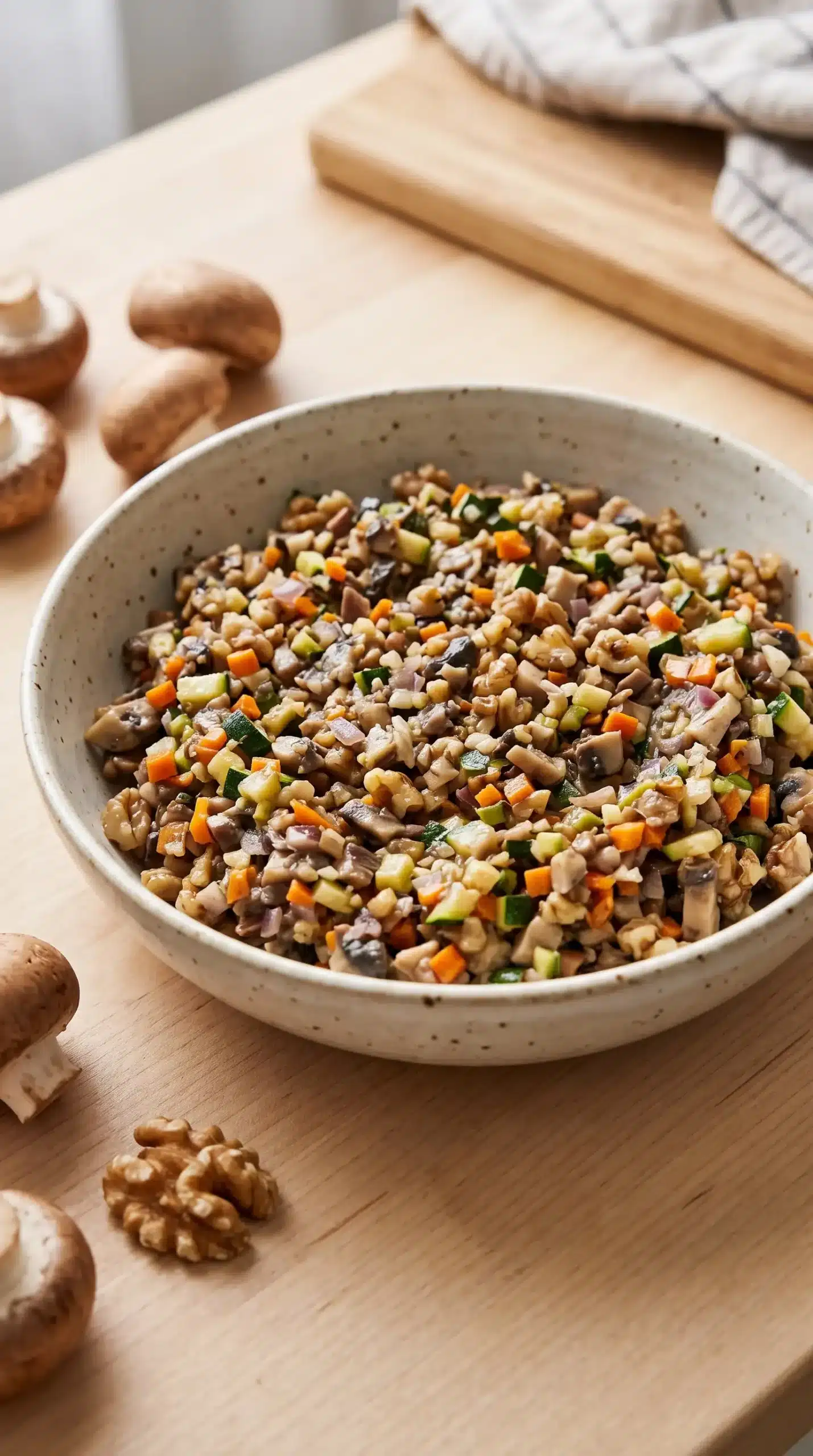
Ground vegetables and walnuts create the foundation that separates this dish from a simple cheese-only pasta bake. The finely chopped mixture develops a savory character as the vegetables soften together, allowing mushrooms, carrots, zucchini, onion, and garlic to blend into a cohesive filling. The walnuts contribute a substantial texture that helps the layers feel complete.
Careful chopping matters because large pieces would interrupt the smooth structure expected from lasagna. Processing the vegetables into a fine mixture allows the sauce to spread evenly between noodles and keeps each serving balanced from edge to center. The texture should feel tender and integrated after baking.
Vegetarian lasagna recipe variations often focus on adding more vegetables, but the stronger approach is building harmony among the vegetables already present. The mushroom and walnut combination gives the filling a savory quality, while zucchini and carrots bring moisture and sweetness that support the tomato sauce.
Walnuts and Vegetables Shape the Best Flavor Balance
Fresh ingredients determine how the vegetable filling behaves before it reaches the oven. Mushrooms need enough cooking time to release moisture as they cook, while carrots and onions benefit from becoming soft and fragrant before the layers are assembled. These changes help prevent a raw vegetable taste in the finished pan.
Careful seasoning adjustments are especially useful because tomato sauces vary in salt and flavor intensity. The vegetable mixture receives oregano, Italian seasoning, salt, and pepper, but the amount of additional seasoning depends on the sauce used. Tasting before layering helps create a more balanced result.
During preparation, walnuts provide more than texture. Their richness supports the vegetables and creates a filling that feels substantial alongside noodles and cheese. This balance is one reason vegetarian lasagna can satisfy guests who usually expect a meat-based version.
Mascarpone Creates a Creamy Layer in Vegetable Lasagna with Mascarpone
Mascarpone changes the character of each layer by adding a smooth, creamy contrast to the tomato sauce and vegetables. Mixing it with grated garlic and salt creates a seasoned cheese component that melts into the baked layers, giving vegetable lasagna with mascarpone a richer finish without making the filling heavy.
Tomato Sauce Choices Keep the Layers Cohesive
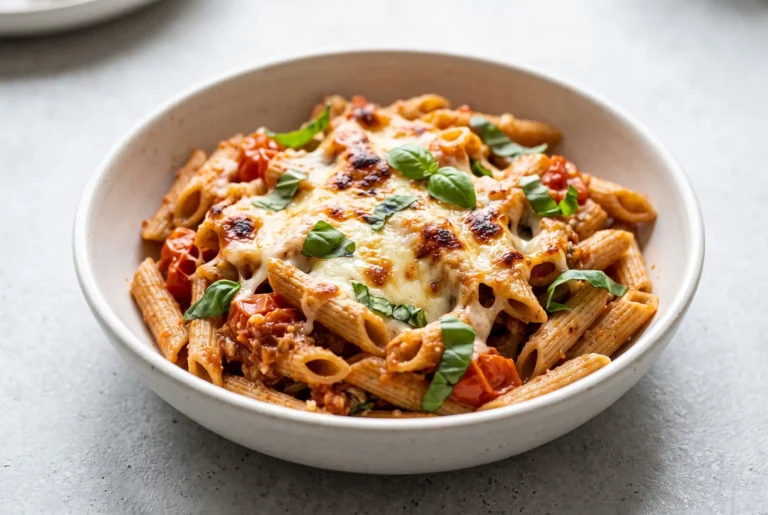
Tomato sauce connects every part of the lasagna because it surrounds the noodles, carries the vegetable mixture, and supports the cheese. Pairing tomato sauce with complementary herbs and cheeses helps define the finished layers, and a dish like tomato basil and cheese baked pasta centers on the interaction of sauce, noodles, and melted cheese.
| Sauce characteristic | Effect on lasagna | Useful choice |
|---|---|---|
| Balanced seasoning | Supports vegetables and cheese | Use when you want all layers to stand out |
| Strong herbs or spices | Adds a more pronounced flavor | Reduce extra seasoning adjustments |
| Lower salt level | Leaves more room for customization | Adjust after combining with vegetables |
Layering Decisions Control Every Slice of Baked Vegetarian Lasagna
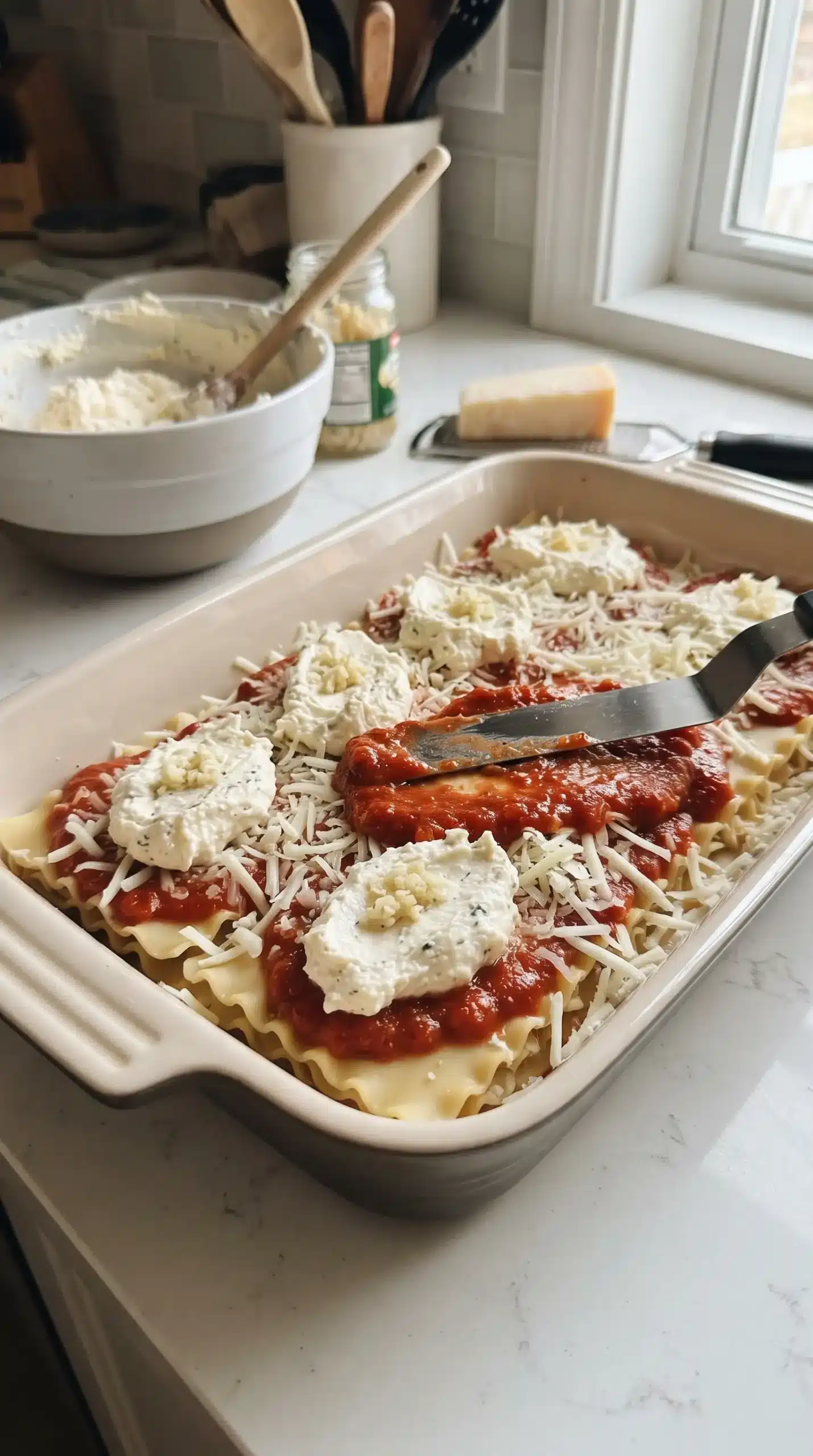
Successful layering creates a lasagna that holds together after baking. Starting with sauce on the bottom protects the noodles from direct contact with the pan and gives the first layer moisture. Each additional layer should distribute sauce, mascarpone, Parmesan, and mozzarella evenly.
Layer thickness influences the final texture because too much filling in one area can make slices harder to serve. Spreading components across several layers allows the noodles to soften consistently and keeps the cheese from overpowering the vegetables.
Baking control continues after assembly. Covering the pan during the main bake helps the layers heat through, while uncovering and briefly browning the top develops a more appealing cheese finish. Allowing the lasagna to stand before slicing helps the layers settle.
Common Mistakes That Affect Vegetarian Lasagna Texture
Overloading layers with too much filling can make vegetarian lasagna difficult to cut cleanly. Keeping portions of sauce, cheese, and vegetable mixture distributed across the pan helps each serving maintain its structure after baking.
Insufficient vegetable cooking can leave the filling watery or uneven. The chopped mixture needs time in the skillet so the vegetables become soft and the flavors combine before meeting the noodles.
Skipping the resting period after baking can also affect presentation. Cutting immediately may cause layers to slide apart because the melted cheeses and sauce have not had enough time to settle into a stable slice.
- Chopping size: Fine pieces create a smoother filling that spreads easily.
- Seasoning check: Tasting the sauce mixture prevents bland or overly salty layers.
- Cheese distribution: Even portions create consistent flavor from the first slice to the last.
Cheese Browning and Resting Finish the Pan Properly
Cheese provides both flavor and visual appeal, especially during the final uncovered baking stage. Mozzarella creates a stretchy melted layer, while Parmesan adds a sharper savory note that complements the vegetables.
Balanced browning comes from exposing the cheese topping to direct heat near the end of baking. Watching the surface closely during this stage helps achieve a golden finish without drying the layers underneath.
Make Ahead Choices Work With Lasagna Structure
Lasagna is naturally suited to preparation because the layered structure allows flavors to come together over time. Preparing the vegetable filling and cheese mixture in advance can make assembly easier when planning a meal.
Stored portions should be kept covered and handled according to normal food safety practices. Reheating works best when slices are warmed gently so the noodles remain tender and the cheese stays creamy.
Serving Ideas Highlight the Vegetable Layers
Simple accompaniments allow the vegetable flavors to remain the focus. A fresh salad or lightly dressed vegetables can provide contrast to the rich baked layers without competing with the main dish.
Understanding the Noodle Approach for Better Results
Uncooked lasagna noodles work with the moisture provided by sauce during baking. Maintaining enough sauce between layers helps the noodles soften while absorbing the flavors around them.
Practical assembly depends on creating contact between noodles and moist ingredients. Dry areas are more likely to remain firm, so spreading sauce carefully across each layer improves consistency throughout the pan.
Flavor Adjustments Personalize the Vegetarian Lasagna Recipe
Vegetarian lasagna recipe adaptations can focus on seasoning balance without changing the structure of the dish. Additional herbs, different tomato sauce styles, or serving toppings can shift the flavor while preserving the vegetable and cheese foundation.
Thoughtful changes work best when they respect the moisture balance already created by mushrooms, zucchini, sauce, and cheese. Adjustments that add too much liquid can affect the texture, while small seasoning changes can create a noticeably different result.
Vegetarian Lasagna Delivers Comfort Through Balanced Layers
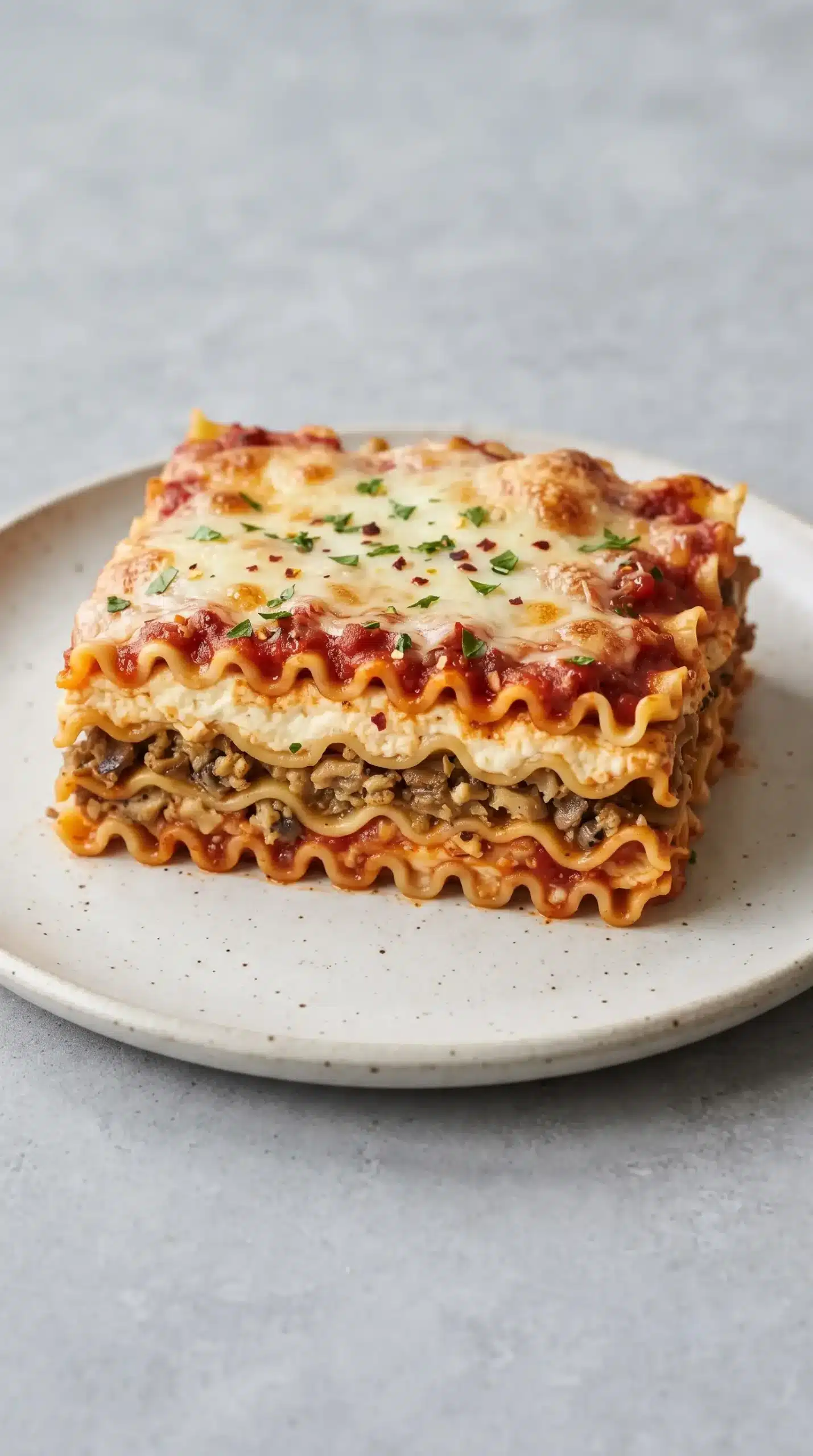
Vegetable filling, creamy cheese, and tomato sauce create the defining balance of vegetarian lasagna. The mushrooms and walnuts provide depth, the mascarpone softens the layers, and careful baking brings the ingredients together into a cohesive dish.
A well-built pan depends on decisions made before serving: cooking the vegetables until tender, distributing the layers evenly, and allowing the baked lasagna to settle. Those details create slices that show the contrast between rich cheese, savory vegetables, and tender noodles.
Vegetarian Lasagna Questions About Storage, Layers, and Baking
Can vegetarian lasagna be prepared before baking?
Yes, the assembled layers can be prepared ahead when kept properly covered and chilled. Allowing the dish to come together before baking can make meal preparation more convenient while preserving the structure of the noodles, sauce, and cheese.
Why does my vegetarian lasagna become watery?
Excess moisture can come from vegetables that have not cooked down enough before assembly. Giving mushrooms, zucchini, carrots, and onions time to soften helps reduce extra liquid and creates a more concentrated filling.
How can I get clean slices from vegetable lasagna?
Clean slices depend on balanced layers and enough resting time after baking. Waiting before cutting allows the melted cheese and sauce to settle so each portion keeps its shape.
Can I change the cheese in this vegetarian lasagna?
The cheese combination can be adjusted while keeping the same layered approach. Choose replacements that provide similar moisture and melting qualities so the finished texture remains creamy and cohesive.
Vegetarian Lasagna with Mushroom Walnut Filling and Cheese
Vegetarian lasagna is a comforting baked dish with hearty mushroom walnut filling, creamy mascarpone, and layers of melted cheese. It is perfect for gatherings or a satisfying meal when you want a rich vegetable-focused pasta bake.
Ingredients
Method
Preparation
- Add mushrooms, walnuts, and zucchini to a food processor and pulse until finely chopped. Transfer the mixture to a bowl, then process the garlic, onion, and carrots in the same way.
- Heat butter or olive oil over medium-high heat. Add the chopped vegetables and seasonings, then sauté for 7-10 minutes until the vegetables are very soft and aromatic.
- Stir in tomato sauce and salt, then taste the mixture and adjust the seasoning as needed based on the sauce used.
- Preheat the oven to 400°F / 200°C.
- Combine mascarpone with grated garlic and salt until evenly mixed.
Assembly
- Spread a layer of sauce across the bottom of a 9×13 pan.
- Build each layer with a few noodles, 1 cup sauce, a few dollops of mascarpone, 1/2 cup Parmesan, and 1/2 cup mozzarella. Repeat the layers, typically creating 4 layers from the full amount.
- Finish with noodles, sauce, cheese, and small dollops of extra sauce on top.
Baking
- Cover the pan with foil and bake for 40-45 minutes.
- Remove the foil and broil for 5 minutes to brown the cheese on top.
- Allow the lasagna to stand for about 10 minutes before slicing and serving.
Notes
Allowing the baked lasagna to stand before slicing helps the layered noodles, sauce, and cheese settle into cleaner portions.