From breakfast to dinner, from healthy meals to sweet desserts – Next Yum Recipes brings you quick, simple and tasty ideas for every occasion and every time.


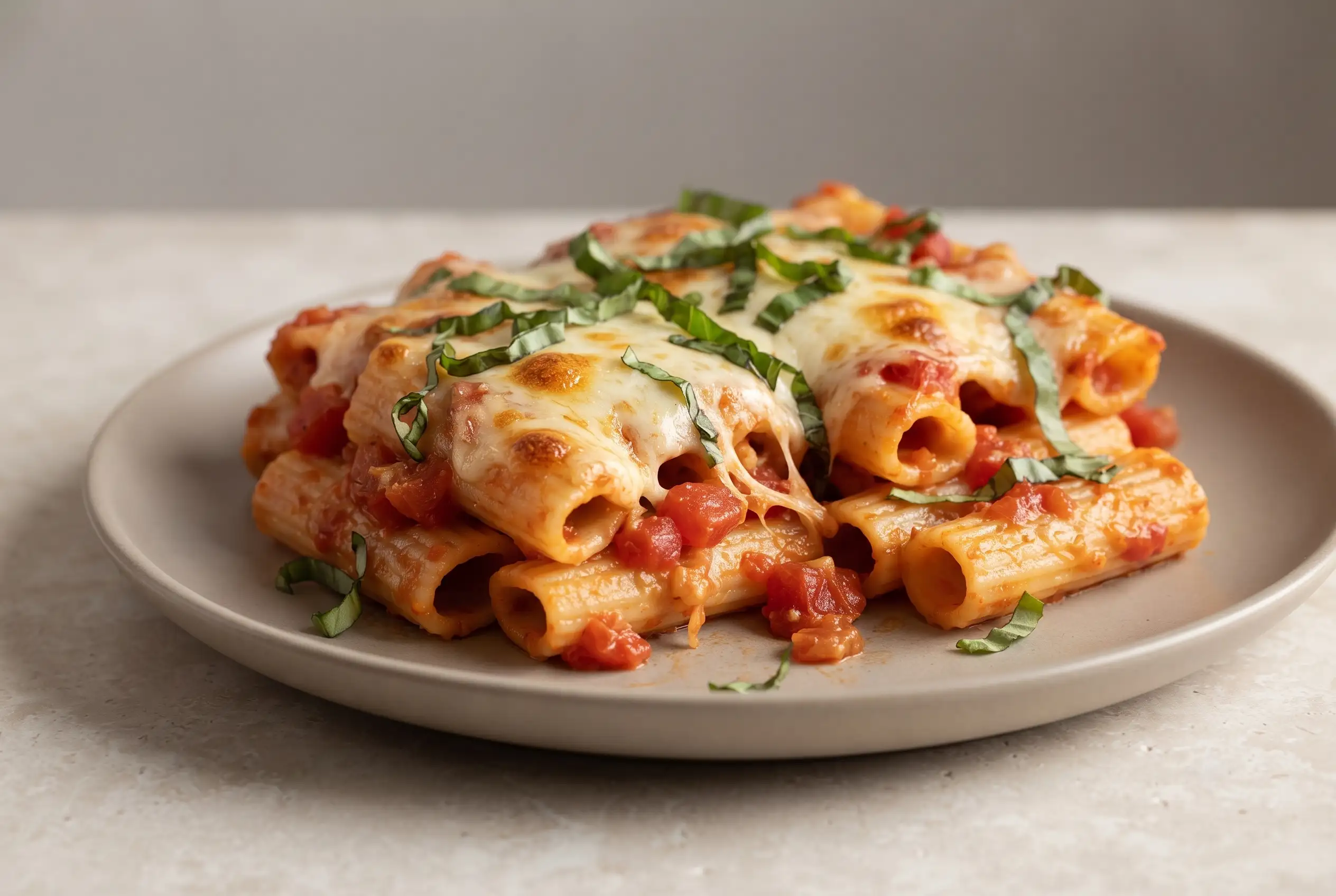 This Recipe
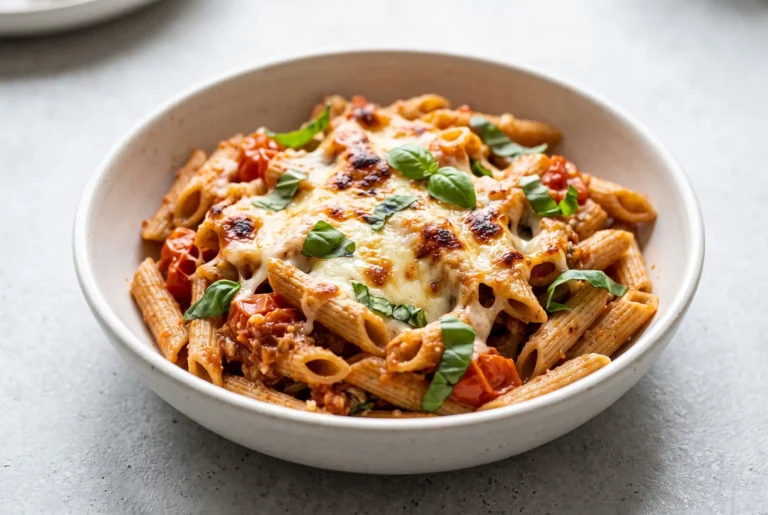
Baked caprese rigatoni brings the familiar combination of tomatoes, basil, and cheese into a hearty pasta bake with a rich sauce texture and a bubbly finish. The dish combines fresh tomato flavor with the convenience of a layered tomato sauce approach, creating a caprese rigatoni pasta that feels comforting while still highlighting bright ingredients. Large rigatoni pieces hold onto the sauce, making each serving full of tender pasta, savory tomato, fragrant basil, and melted cheese.
Tomato Layers Define Baked Caprese Rigatoni
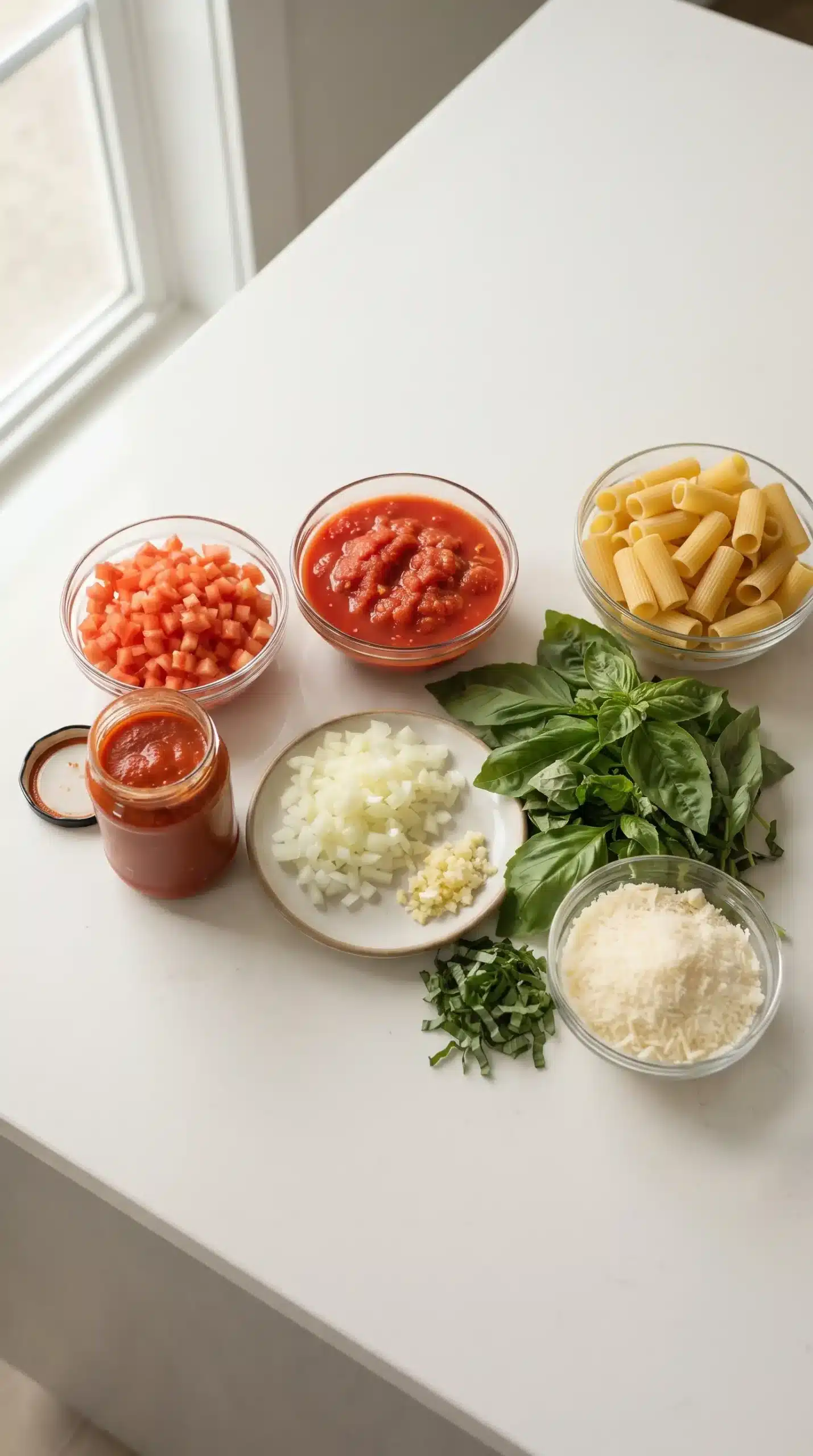
Fresh tomatoes create a lighter, more textured foundation for baked caprese rigatoni. Diced tomatoes release their juices as they cook, adding small bursts of freshness that remain noticeable after the pasta is combined with the sauce. Their texture helps prevent the finished dish from becoming one-dimensional.
Combining crushed or diced canned tomatoes with a prepared tomato sauce creates depth without requiring a long simmer. The canned tomatoes contribute a cooked tomato flavor, while the jarred sauce provides a familiar richness that helps coat every piece of rigatoni.
Jarred sauce selection can influence the overall balance of the pasta bake. A sauce with a tomato-forward flavor allows the fresh tomatoes and basil to remain noticeable, while a heavily seasoned sauce may shift attention away from the caprese-style character.
Rigatoni Shape Holds the Tomato Basil Finish
Rigatoni works especially well for baked caprese rigatoni because the wide tubes capture sauce inside and around each piece. Cooking the pasta until just tender before baking helps it maintain structure while absorbing the tomato mixture during the short finishing stage. Careful pasta preparation is important in a baked rigatoni recipe, where the noodles need enough firmness to hold their texture after oven finishing.
Tomato Choices Create a Balanced Sauce Texture
Multiple tomato forms give this baked rigatoni recipe its layered texture. Fresh diced tomatoes provide pieces that remain distinct, canned tomatoes create a smoother cooked base, and additional sauce fills the spaces between pasta tubes.
Canned tomato options can be adjusted based on what is available. Crushed tomatoes create a more uniform sauce, while diced tomatoes leave more noticeable tomato pieces throughout the bake. Either choice supports the same basil and cheese finish.
Selecting how much sauce to use comes down to the texture you prefer at the table. A generously coated pasta bake stays softer after baking, while a lighter coating allows more of the rigatoni surface and cheese topping to stand out.
Basil and Cheese Bring Caprese Character Forward
Basil separates a tomato pasta bake from a standard red sauce dish by adding a fresh herbal note. Adding some basil before baking allows the flavor to move through the sauce, while finishing with fresh basil keeps the aroma brighter when served.
Baked Caprese Rigatoni Avoids Common Pasta Bake Mistakes
Overcooking rigatoni before it reaches the baking dish can lead to a softer texture because the pasta continues absorbing moisture from the tomato sauce. Keeping the pasta structured before combining it with the sauce helps maintain the satisfying bite associated with a baked rigatoni recipe.
Several problems in a tomato basil rigatoni bake come from small preparation choices. Watch for these common issues:
- Dry pasta surface: Add enough sauce to coat the rigatoni so the exposed pieces do not bake without moisture.
- Burned garlic flavor: Stir the garlic while sautéing because direct heat can quickly change its flavor.
- Muted basil aroma: Reserve fresh basil for the finishing touch instead of cooking all of it away.
- Uneven cheese melting: Spread the cheese across the top so the broiler can create a consistent bubbly layer.
Correcting these concerns starts with observing the pasta before it reaches the oven. A well-coated dish, gently cooked aromatics, and fresh finishing herbs all protect the balance of the finished caprese rigatoni pasta.
Skillet Control Keeps the Tomato Basil Rigatoni Bake Balanced
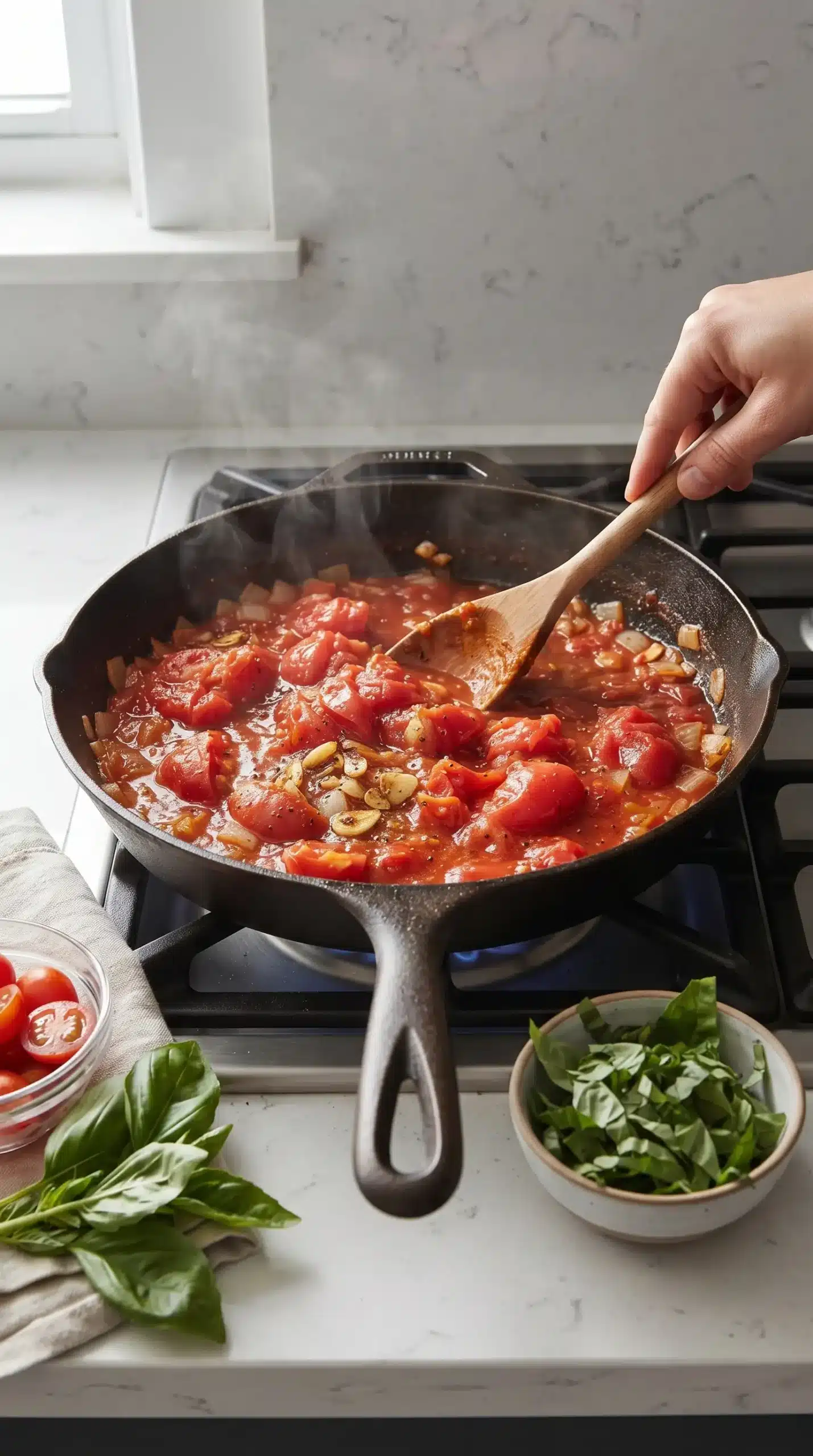
Temperature control matters when building the tomato mixture for baked caprese rigatoni. Medium-high heat helps the onion soften and the garlic become fragrant, but frequent stirring prevents the garlic from becoming bitter before the tomatoes are added.
Simmering the tomatoes until the mixture slightly thickens improves how the sauce clings to the rigatoni. A sauce that remains too loose can settle at the bottom of the baking dish, while a properly concentrated mixture coats the pasta more evenly.
Careful broiling creates the signature melted cheese surface. The short finishing period should focus on bubbling and browning the cheese without drying the pasta underneath.
Broiling uses direct heat from above, so the cheese topping receives intense surface heat that helps it brown and melt quickly during the final step.
Broiler Finishing Creates a Bubbly Cheese Surface
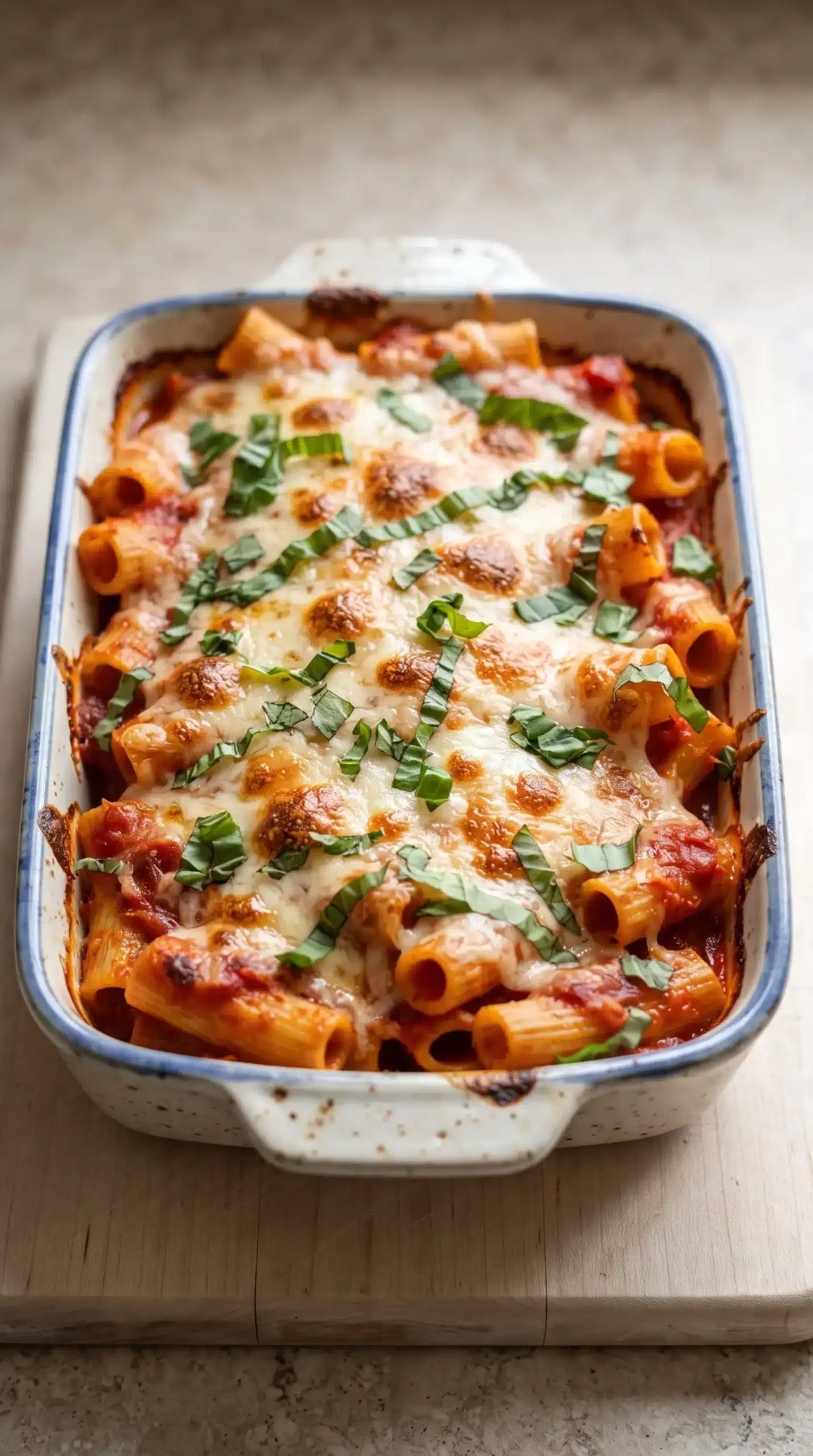
The broiler changes the texture of baked caprese rigatoni by creating a melted cheese layer that contrasts with the saucy pasta below. Keeping the dish close enough to receive direct heat allows the topping to finish quickly while preserving the tomato sauce.
Serving Choices Fit Caprese Rigatoni Pasta Moments
Caprese rigatoni pasta works as a complete meal when served warm, but it also fits naturally alongside simple sides that complement its tomato and basil flavors. A crisp salad or lightly prepared vegetables can add freshness without competing with the pasta bake.
Leftover Handling Protects Baked Caprese Rigatoni Texture
Cooling and storing baked caprese rigatoni properly helps preserve the pasta texture for later meals. Keep portions covered and chilled, then reheat gently so the sauce and cheese warm without creating a dry surface.
| Storage approach | Best use | Texture consideration |
|---|---|---|
| Covered refrigerator storage | Next-day portions | Pasta may continue absorbing sauce |
| Separate portion reheating | Individual servings | Helps warm the center evenly |
| Gentle oven warming | Larger remaining portions | Helps refresh the cheese topping |
Variations Adjust the Tomato Basil Rigatoni Bake
Different pantry choices can change the personality of the tomato basil rigatoni bake while keeping its core flavors recognizable. The tomato combination is flexible because the dish already balances fresh and prepared elements.
Some useful adjustments include:
- Tomato swap: Replace one tomato style with more of another when adjusting texture preferences.
- Pasta change: Use another sturdy tube-shaped pasta when rigatoni is unavailable.
- Cheese choice: Select a cheese that melts well and complements the tomato and basil combination.
Seasoning changes should support the caprese-inspired profile instead of overwhelming the tomatoes. Simple additions work best when they allow basil and tomato flavors to remain recognizable.
Pairings Complete the Tomato Forward Pasta Meal
Baked caprese rigatoni pairs well with foods that bring contrast to its rich sauce and melted topping. Fresh vegetables, simple greens, and lightly seasoned sides allow the pasta to remain the centerpiece without creating a heavy meal.
Preparing Components Makes Baked Caprese Rigatoni Easier
Preparation choices can make assembly smoother when making baked caprese rigatoni. Having the pasta ready, the tomatoes measured, and the basil separated for different stages keeps the process organized.
Advance planning also makes it easier to adjust sauce consistency before the pasta reaches the baking dish. Since rigatoni absorbs moisture quickly, checking the coating before finishing prevents an overly dry or overly loose result.
Baked Caprese Rigatoni Depends on Balanced Tomato and Cheese Layers
The strongest results from baked caprese rigatoni come from balancing sauce, pasta structure, and finishing ingredients. Rigatoni should carry enough tomato mixture to stay flavorful, while basil and cheese should provide the fresh and creamy elements that define the dish.
Tomato texture choices shape the entire pasta bake, and the finishing broiler step determines the contrast between the soft sauce-coated pasta and the bubbling cheese surface. Keeping those two decisions in focus creates a dish with clear caprese character.
Baked Caprese Rigatoni Questions About Storage and Serving
Can baked caprese rigatoni be made ahead of serving?
Baked caprese rigatoni can be prepared ahead by assembling the pasta and sauce combination before serving. Keep the dish covered until it is ready to finish, then warm it and complete the cheese topping so the surface remains fresh.
How can I keep the pasta from becoming too soft?
Cook the rigatoni carefully before combining it with the sauce and avoid leaving it in excess liquid for extended periods before baking. The pasta should still have enough structure to hold the tomato mixture.
What tomato combination works best for this pasta bake?
The combination of fresh tomatoes, canned tomatoes, and prepared tomato sauce creates different layers of flavor and texture. You can adjust the balance depending on whether you prefer a chunkier or smoother sauce.
Can I change the cheese used on top?
A different melting cheese can be used if it suits your preference. Choose one that forms a satisfying melted layer and works well with tomatoes and basil.
How should baked caprese rigatoni be reheated?
Warm leftovers gradually so the pasta heats through while the sauce stays cohesive. Larger portions benefit from gentle oven reheating, while smaller servings can be warmed individually.
Baked Caprese Rigatoni with Tomato Basil and Cheese
Baked Caprese Rigatoni is a hearty pasta bake with tender rigatoni, layered tomato flavor, fresh basil, and a bubbly cheese topping. It is a comforting choice for easy weeknight meals or gatherings.
Ingredients
Method
Preparation
- Cook the rigatoni according to the package directions. Drain the pasta and set it aside. Preheat the broiler.
- Warm the olive oil in a large skillet. Add the onion and garlic, then sauté over medium-high heat for 2-3 minutes, stirring regularly to prevent the garlic from burning.
Cooking
- Add the crushed or diced tomatoes and fresh tomatoes to the skillet. Season with salt and pepper, then simmer for 5-10 minutes until the mixture slightly thickens.
- Stir in half of the basil and cook for 1 minute. Remove the skillet from the heat and combine the tomato mixture with the pasta.
- Add the tomato sauce and stir until the rigatoni is coated. Add more sauce if needed for the desired saucy consistency.
- Transfer the pasta mixture to a baking dish or skillet.
Baking
- Sprinkle the shredded cheese over the pasta and place it under the broiler for 5-8 minutes, until the cheese is melted and bubbly.
- Finish with the remaining fresh basil and serve.
Notes
I used all three types of tomatoes because I enjoy the different textures they add to the sauce. You can leave one out and use more of another depending on what you have available or the texture you prefer.