From breakfast to dinner, from healthy meals to sweet desserts – Next Yum Recipes brings you quick, simple and tasty ideas for every occasion and every time.


 This Recipe
Butternut Squash Mac and Cheese Brings Autumn Comfort Together
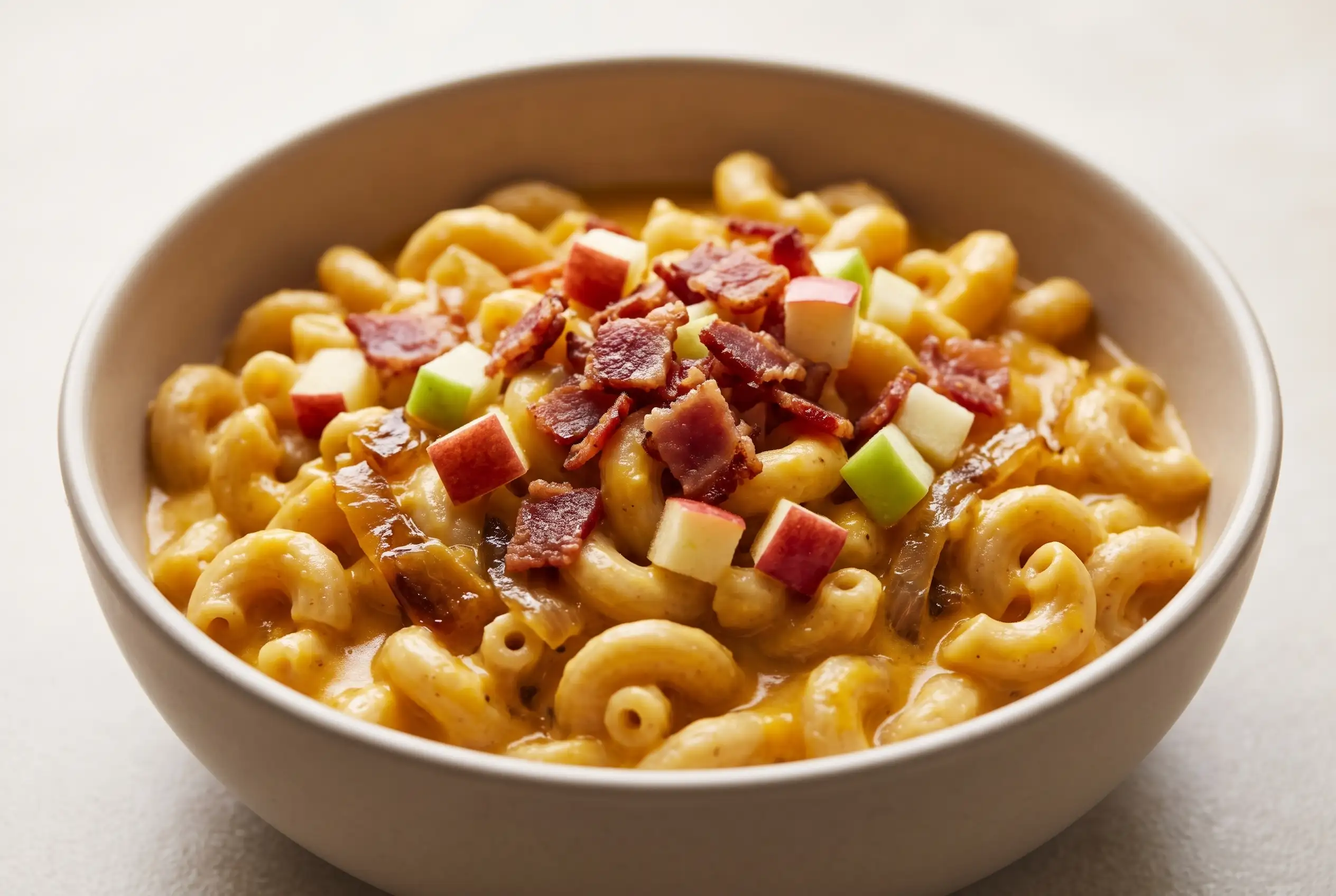
Butternut squash mac and cheese combines tender pasta, smooth squash, cheddar, caramelized onions, apples, and bacon into a dish built around contrasting flavors. The squash creates a creamy foundation, while the sweet onions and crisp fruit keep each bite balanced with savory depth and fresh texture.
Unlike a traditional cheese-heavy version, the sauce relies on butternut squash puree, evaporated milk, broth, and a small amount of cream cheese to create a smooth coating. The result is a lighter style of comfort food where vegetables, pasta, and toppings each have a clear role.
Autumn flavors become especially noticeable through the slow-cooked onions and apple pieces. A caramelized onion butternut squash mac and cheese approach works because the natural sweetness of the vegetables meets the salty bacon and sharp cheddar without allowing any single flavor to dominate.
Squash Purée Creates the Creamy Base Without Heavy Sauce
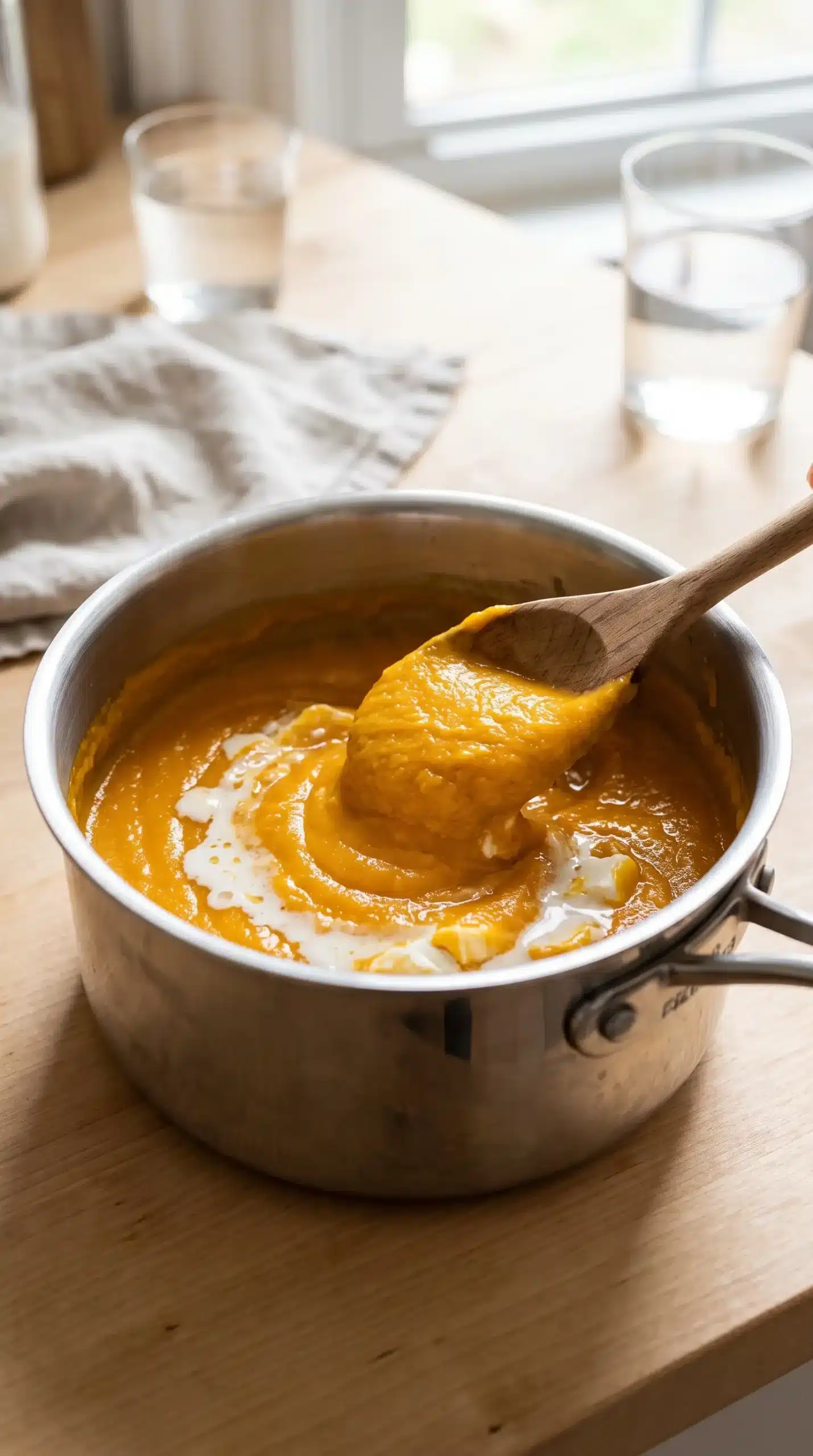
Butternut squash puree gives the macaroni its signature texture by blending easily with dairy and broth. Keeping the squash smooth helps the sauce cling to the pasta, while the evaporated milk contributes richness without requiring a large amount of added fat.
Cheddar, Apples, and Bacon Balance the Mac and Cheese Texture
Flavor balance comes from combining ingredients with different textures and intensities. Cheddar brings familiar cheese character, apples introduce a crisp contrast, and bacon adds a savory finish that changes the experience of each serving.
Crisp apples are especially useful because they prevent the dish from feeling completely soft. Chopped or grated pieces distribute small bursts of freshness throughout the pasta while complementing the natural sweetness of the squash.
| Component | Texture contribution | Flavor role |
|---|---|---|
| Butternut squash puree | Smooth sauce base | Gentle sweetness and vegetable richness |
| Cheddar cheese | Melting creaminess | Sharp savory depth |
| Apple pieces | Crisp contrast | Fresh sweetness |
| Bacon | Crunchy topping | Salty smoky finish |
Serving portions of butternut squash mac n cheese with bacon benefit from adding the bacon at the end. This keeps the topping distinct instead of allowing its texture to disappear into the creamy pasta.
Caramelized Onions Shape the Sweet Savory Foundation
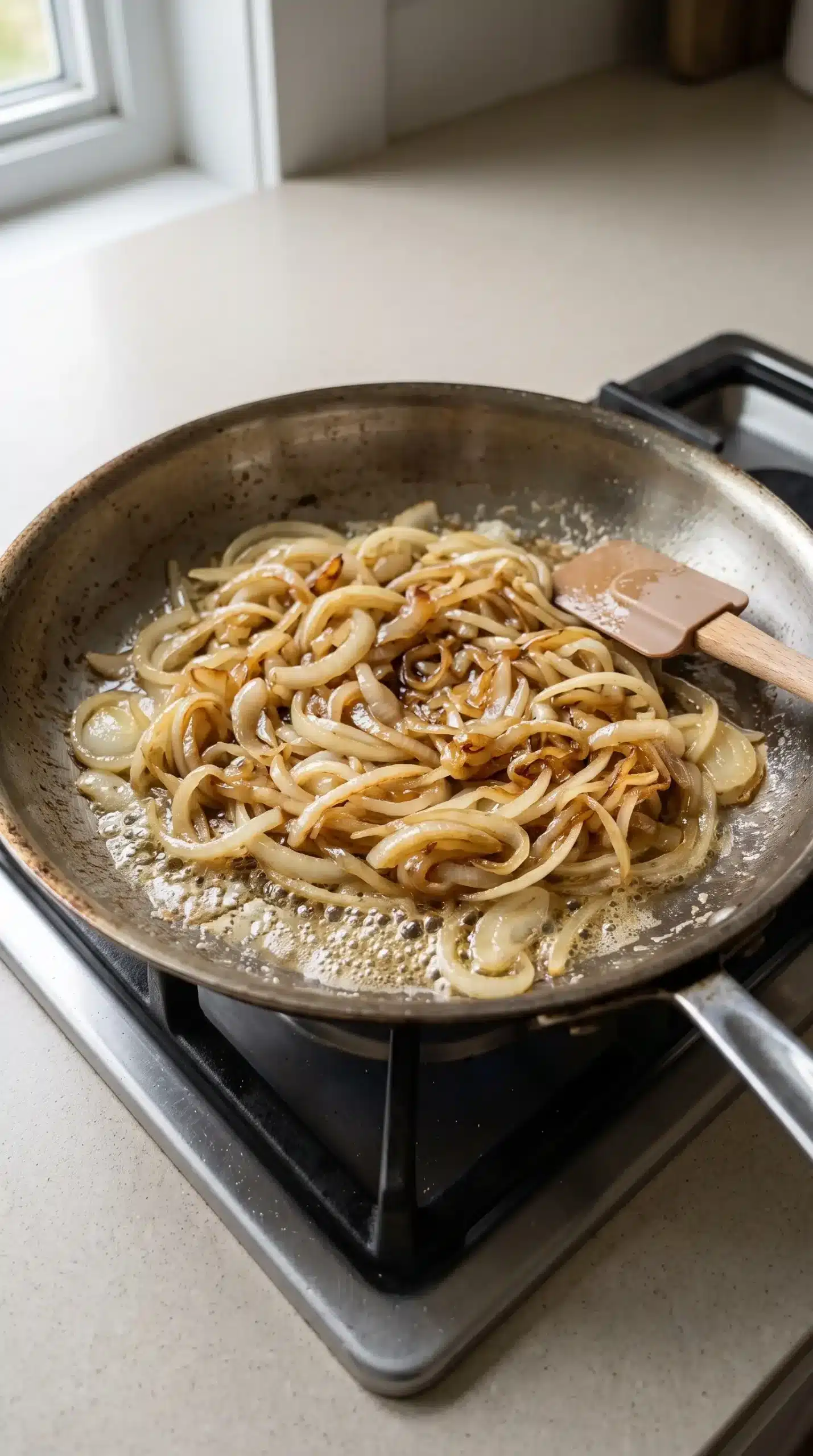
Slowly cooked onions develop deeper flavor because gentle heat allows their natural sugars to concentrate. The onion caramelization process transforms their texture and flavor, creating the sweet savory layer that supports the squash and cheese.
Pasta Texture Depends on Careful Cooking Control
Pasta texture determines how well the sauce performs after mixing. Elbow macaroni provides plenty of surface area for the squash-based sauce, making it important to avoid a texture that becomes fragile before the creamy ingredients are added. Maintaining sturdy pasta is especially important in comfort dishes such as baked mac and cheese with cheddar and breadcrumbs, where the pasta needs to support a rich cheese coating.
Cooking control continues after the pasta leaves the water. Returning the macaroni to gentle heat allows the squash, broth, milk, and cream cheese to combine smoothly before the cheddar is incorporated.
Small adjustments can protect the finished consistency when the pasta absorbs moisture. The dish benefits from a quick check before serving because a small addition of liquid can restore the creamy texture if it becomes too thick.
- Pasta texture: Keep the macaroni sturdy enough to hold the sauce.
- Heat level: Use gentle warmth when combining dairy ingredients.
- Cheese timing: Add cheddar near serving time so it melts smoothly.
Butternut Squash Mac and Cheese Mistakes That Dry Out the Dish
Several mistakes can affect the texture of butternut squash mac and cheese, especially because the dish uses a modest amount of butter. Understanding the warning signs makes it easier to correct problems before serving.
Adding cheese too early can create a less smooth texture if the pasta mixture becomes too hot or thick. Mixing the cheddar shortly before serving helps it melt into the sauce while maintaining a creamy consistency.
Another common issue is allowing the pasta to sit uncovered after preparation. The sauce can tighten as it cools, so checking the texture and adding a small splash of broth, milk, or water can help bring back the original creaminess.
| Problem | What you may notice | Helpful adjustment |
|---|---|---|
| Dry texture | Sauce no longer coats pasta well | Stir in a small amount of liquid |
| Weak onion flavor | Sweet savory notes are missing | Allow onions more time over low heat |
| Lost bacon texture | Topping blends into the pasta | Add bacon close to serving |
Apple Choices Keep the Sweet Notes Crisp and Fresh
Crisp apples are the best match for this macaroni because they hold their character against the creamy sauce. Softer varieties may blend into the dish, while firmer pieces create a noticeable contrast with the tender pasta.
Bacon and Topping Decisions Change the Serving Experience
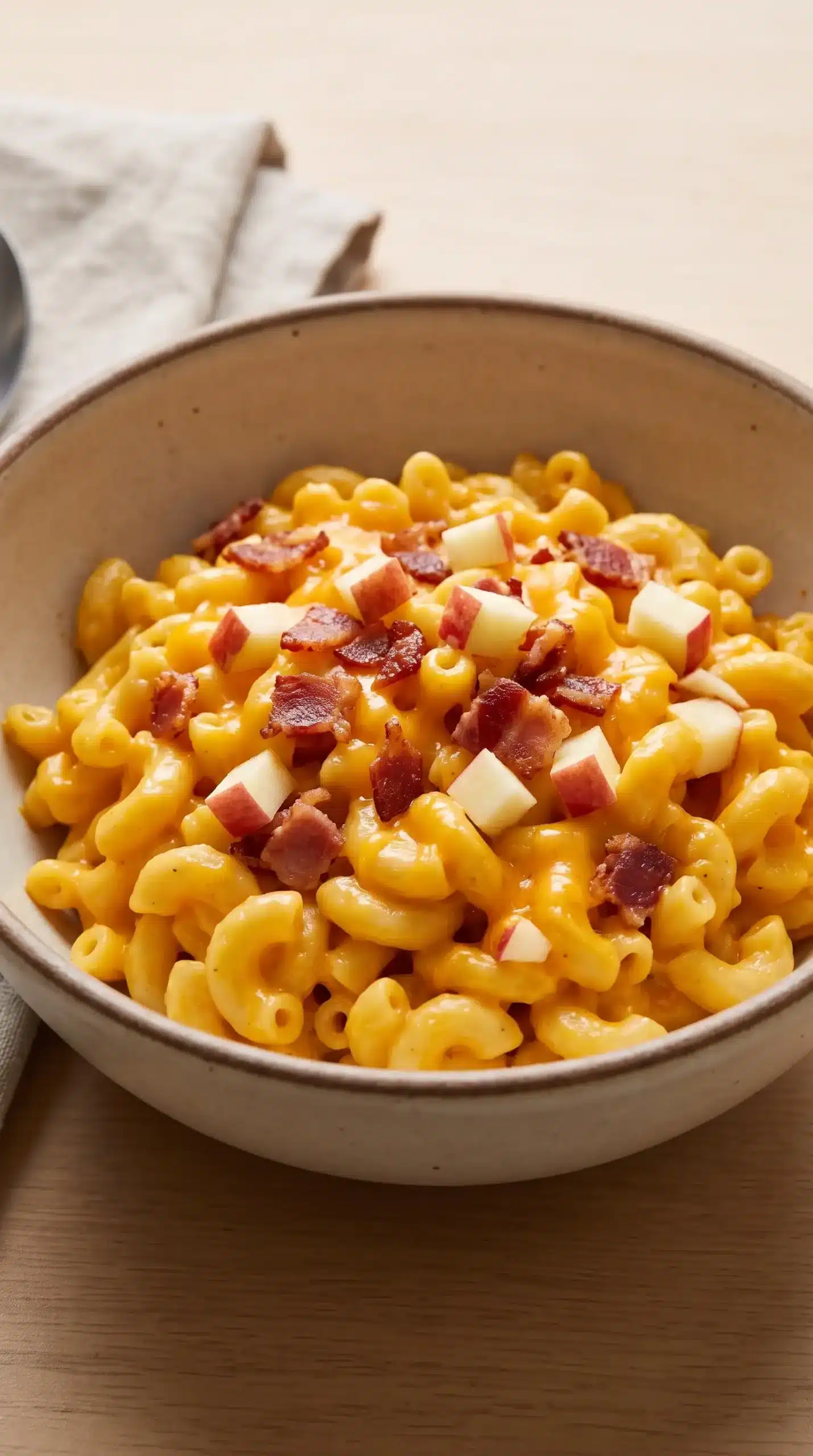
Bacon provides a concentrated savory element that works alongside the sweeter components. A small amount on each serving creates contrast without covering the squash, onion, and apple flavors underneath.
Topping choices should preserve the structure of the dish. Keeping the bacon separate until the moment of serving allows the crisp pieces to remain distinct from the creamy pasta mixture.
Presentation also benefits from visible ingredients. The golden squash sauce, melted cheddar, apple pieces, and bacon topping create a bowl that communicates the combination of flavors before the first bite.
Leftover Handling Protects the Creamy Squash Sauce
Stored portions may become thicker as the pasta continues absorbing moisture. Gentle reheating with a small amount of liquid can help loosen the sauce and return a smoother consistency.
Serving Ideas Highlight the Seasonal Mac and Cheese
Warm bowls of butternut squash mac and cheese with apples pair naturally with meals that welcome sweet and savory flavors. The combination works well as a comforting main dish or as part of a larger seasonal spread.
Fresh additions can create contrast without changing the core preparation. A simple side with crisp vegetables or a light salad can balance the richness of the pasta.
Creative variations should respect the balance already created by the squash, onion, apple, cheese, and bacon. Changes that add texture or preserve the sweet savory contrast are usually the most successful.
- Seasonal pairing: Serve alongside fresh vegetables or simple salads.
- Texture contrast: Add toppings that remain distinct after serving.
- Flavor balance: Keep sweet, salty, and creamy elements working together.
Kitchen Decisions Define the Best Butternut Squash Mac and Cheese
Successful preparation depends on managing moisture, sweetness, and texture at the right moments. The squash sauce needs enough liquid to coat the pasta, while the toppings need enough separation to remain noticeable.
Careful timing makes the difference between a heavy bowl and a balanced one. Slow onions, properly combined sauce ingredients, and freshly melted cheese allow the flavors to stay distinct while still creating a unified dish.
Butternut Squash Mac and Cheese Gains Depth Through Balanced Texture
Butternut squash mac and cheese becomes memorable when creamy sauce, tender pasta, crisp apples, sweet onions, and bacon are kept in balance. The most important judgment is protecting the texture because every ingredient depends on the sauce remaining smooth and the toppings remaining defined.
Maintaining that balance keeps the squash from becoming too heavy and allows the cheddar, caramelized onions, and bacon to contribute their own character. Each serving succeeds when the comforting elements remain connected without losing their individual appeal.
Creaminess Questions About Butternut Squash Mac and Cheese
How can I prevent a dry mac and cheese texture?
The sauce can be refreshed by stirring in a small amount of water, milk, or broth when the pasta becomes thicker after sitting. Adding liquid gradually helps restore the smooth coating without making the dish watery.
Can I prepare the caramelized onions ahead of serving?
Caramelized onions can be prepared earlier and combined with the pasta when needed. Keeping them ready separately helps preserve their developed sweetness and makes it easier to control the final texture.
What type of apple works best in this dish?
A crisp apple variety works well because it provides a firm texture against the creamy sauce. The pieces should remain noticeable after mixing so the dish keeps its fresh contrast.
Why should bacon be added at the end?
Bacon is added close to serving because its texture is part of the appeal. Waiting until the last step helps the topping stay distinct instead of becoming soft inside the sauce.
Butternut Squash Mac and Cheese with Bacon and Apples
Butternut Squash Mac and Cheese is a creamy, comforting pasta dish with sweet and savory flavors from squash, apples, caramelized onions, cheddar, and bacon. It is a cozy choice for a satisfying meal when you want a balanced twist on classic mac and cheese.
Ingredients
Method
Preparation
- Melt the butter in a skillet over low heat. Add the sliced onions and cook slowly for at least 30 minutes, keeping the heat at low or low-medium, until caramelized.
- Cook the pasta according to the package directions. Drain the macaroni and return it to the pan over low heat.
Cooking
- Stir the butternut squash puree, chicken broth, evaporated milk, and cream cheese into the pasta. Once combined, mix in the salt.
- Add the caramelized onions and apple pieces to the pasta mixture. Stir together, adding an extra tablespoon of broth or milk if needed.
- Mix in the shredded cheddar cheese just before serving and stir until melted. Finish each serving with 1 tablespoon of crumbled bacon on top.
Notes
Because this recipe uses very little butter, the pasta may become dry quickly after leaving the heat. Add a tablespoon of water, milk, or broth as needed to restore the original creamy texture.