From breakfast to dinner, from healthy meals to sweet desserts – Next Yum Recipes brings you quick, simple and tasty ideas for every occasion and every time.


 This Recipe
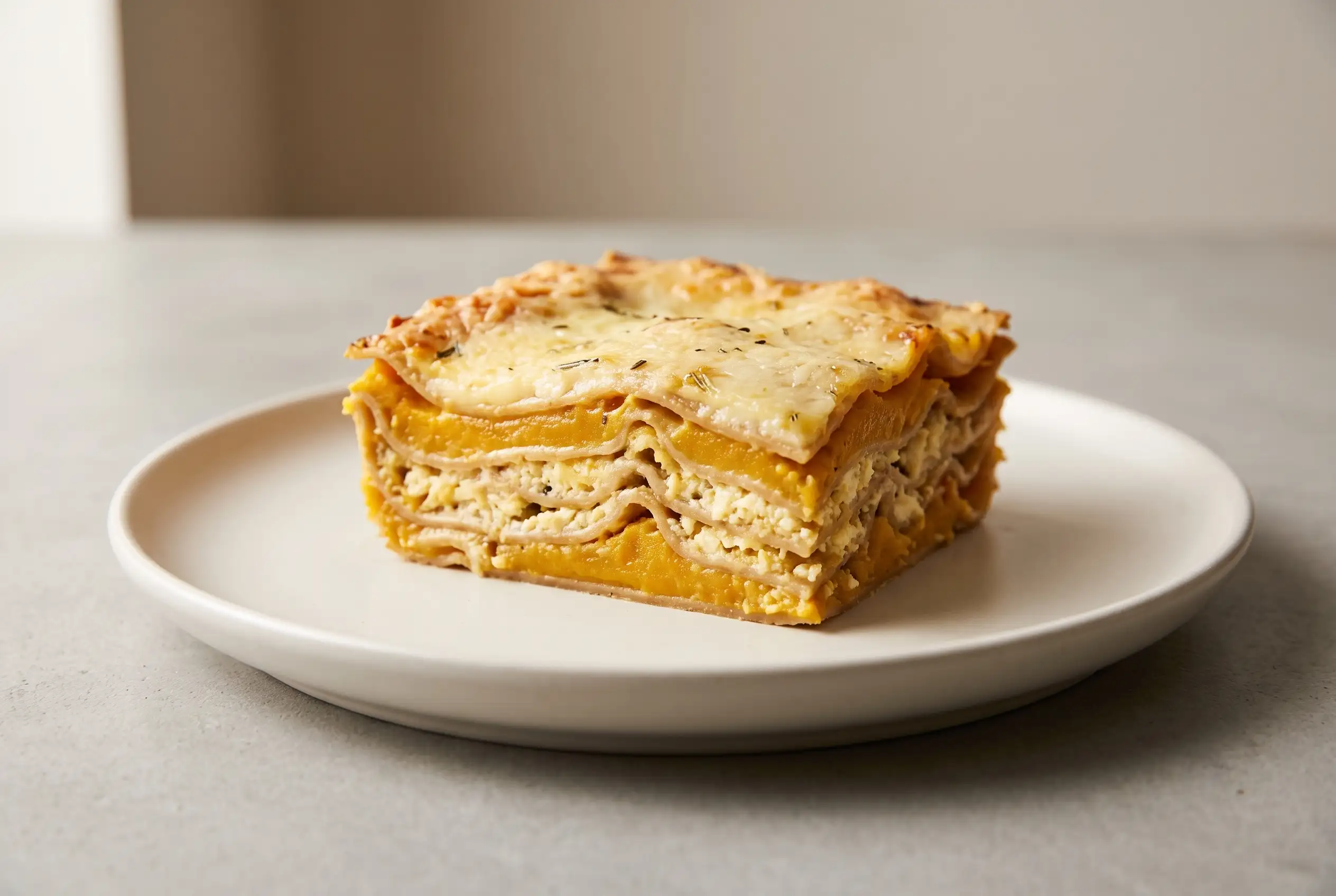
Butternut Squash Lasagna Brings Creamy Autumn Layers Together
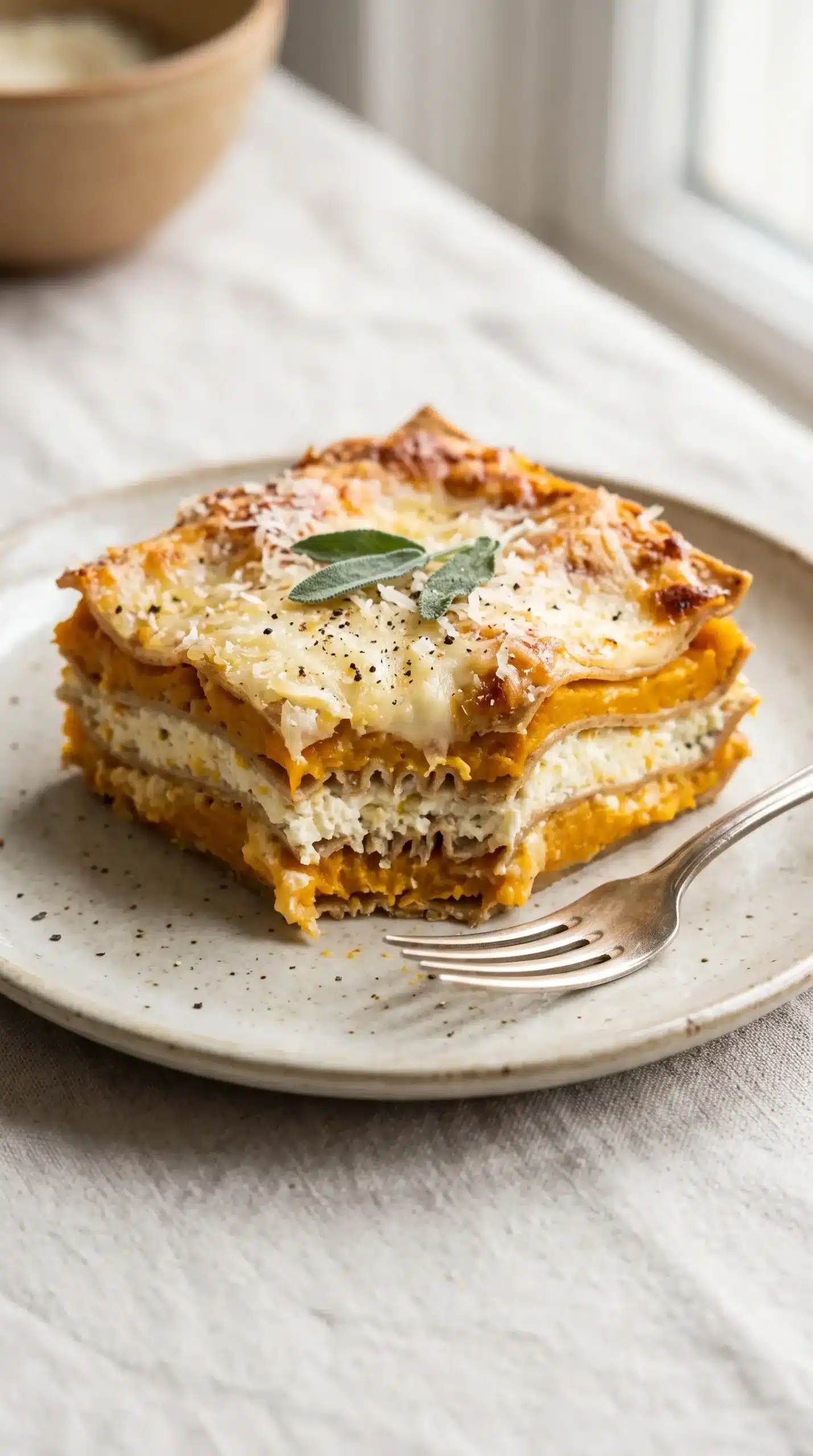
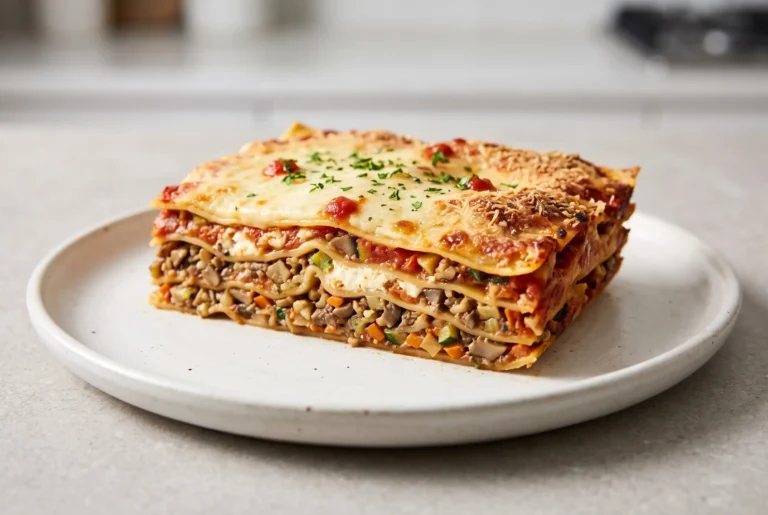
Butternut squash lasagna creates a comforting baked pasta dish built around smooth squash, tender noodles, and a seasoned ricotta layer. The combination works because the squash provides a naturally creamy foundation while the cheese mixture adds richness without requiring a heavy sauce.
Warm flavors become more noticeable through the cinnamon and rosemary notes in the sel de cuisine seasoning. Those accents keep the squash from tasting flat and help the finished dish feel balanced when paired with Parmesan and optional melted cheese on top.
Unlike many traditional lasagnas that depend on tomato sauce, a vegetarian butternut squash lasagna focuses on texture and gentle seasoning. The layers rely on careful moisture management, because squash purée and ricotta both influence how soft, creamy, and sliceable each portion becomes after baking.
Smooth Squash Purée Shapes the Filling Texture
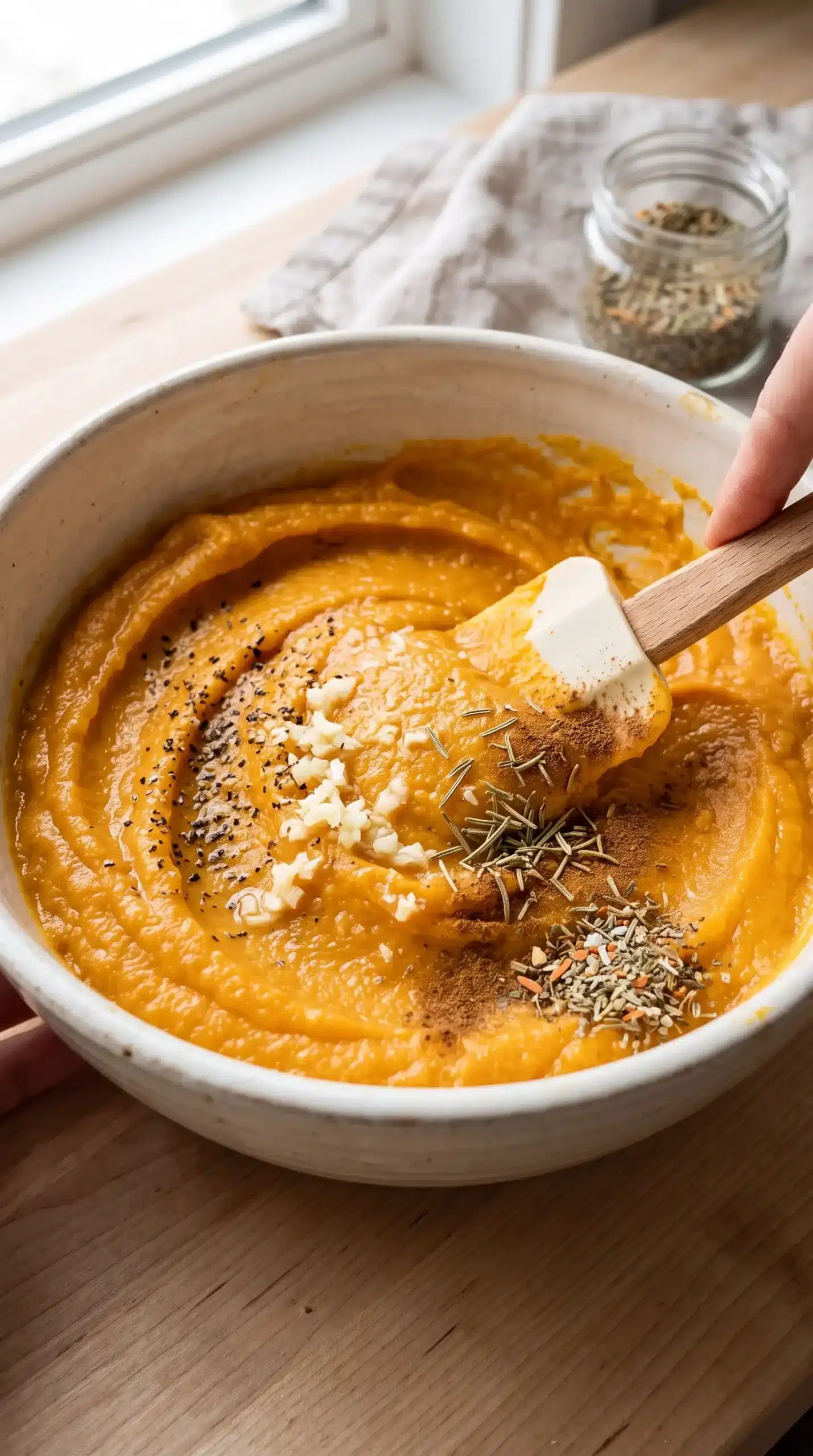
Squash texture determines much of the character of this dish. A smooth purée spreads easily between noodles, allowing each layer to stay even instead of creating pockets of thicker filling.
Preparing the squash before puréeing can influence the final filling texture because roasting butternut squash helps concentrate its natural flavor and creates a smoother base for layering.
Seasoned squash carries the main flavor direction, so mixing the purée thoroughly with garlic, salt, pepper, and the herb-spice blend helps distribute those flavors throughout every layer. Small details in preparation matter because uneven seasoning can make one section taste stronger than another.
Ricotta benefits from a separate preparation because its creamy texture serves a different purpose. Combining it with Parmesan creates a filling that complements the squash while still remaining distinct when the lasagna is cut and served.
Ricotta Layers Create a Gentle Cheese Contrast
Cheese layers bring structure to butternut squash lasagna by adding body between the softer squash portions. The ricotta mixture should remain creamy enough to spread smoothly but thick enough to stay in place during assembly.
Parmesan contributes a savory edge that supports the mild sweetness of squash. Reserving part of the cheese for the upper layers allows the surface to develop a more noticeable baked flavor while keeping the interior balanced.
| Layer component | Texture role | Cooking consideration |
|---|---|---|
| Squash purée | Smooth creamy base | Spread evenly to avoid dry noodle areas |
| Ricotta mixture | Soft cheese layer | Keep consistency easy to distribute |
| Parmesan topping | Savory finished surface | Add near the top for visible browning |
Whole Wheat Noodles Hold the Baked Butternut Squash Lasagna Structure
Whole wheat noodles provide a sturdy foundation that helps the layered dish maintain its shape after baking. Their slightly firmer texture pairs well with creamy fillings because they prevent the finished slices from becoming entirely soft.
Careful layering creates better portions because overlapping noodles slightly allows the filling to remain contained. Each noodle section should have enough surrounding mixture to absorb moisture while baking.
Small baking dishes are especially useful for this style of lasagna because the shorter stack makes it easier to create defined layers. Even distribution matters more than creating a tall dish, since consistent filling coverage improves every serving.
Oven Control Protects the Creamy Lasagna Finish
Baking temperature and moisture balance decide whether the finished lasagna feels creamy or overly dry. Steady heat allows the cheese to warm through while giving the layers time to settle together.
Covering the dish during baking can help retain moisture and protect the surface from becoming too crisp. An uncovered approach can still work, but the top may develop more color and a firmer texture as moisture escapes.
Finishing with sliced cheese adds another texture choice. The extra layer creates a melted surface that contrasts with the soft squash and ricotta underneath.
- Layer spacing: Spread fillings evenly so noodles receive moisture across the entire surface.
- Baking coverage: Use a cover when a softer top and creamier interior are preferred.
- Cheese finishing: Add surface cheese when a richer melted topping is desired.
Common Butternut Squash Lasagna Mistakes That Reduce Creaminess
Several preparation choices can change the final texture of a butternut squash lasagna recipe. Most problems come from moisture distribution, uneven layers, or decisions made during the baking stage.
- Dry noodle sections: Gaps between fillings can leave some pasta areas less tender after baking.
- Overly firm top layers: Excess exposure during baking can make the surface less creamy.
- Uneven seasoning: Poorly mixed squash or ricotta can create inconsistent flavor between slices.
Improving these areas starts with paying attention during assembly. A smooth spread of squash and ricotta creates a more reliable texture because every section receives the same combination of ingredients.
Cheese Topping Decisions Change the Surface Texture
Cheese on top influences the way each serving feels from the first bite. A melted topping adds richness and creates a contrast against the softer interior layers.
Additional cheese should support the existing flavors instead of covering them completely. The squash remains the defining element, while the topping provides a finishing note that rounds out the dish.
Vegetarian Butternut Squash Lasagna Fits Seasonal Meal Planning
Vegetarian butternut squash lasagna works well when a meal needs a satisfying centerpiece without meat. The combination of whole wheat noodles, squash, ricotta, and Parmesan creates a substantial dish through layers of texture.
Seasonal ingredients often benefit from simple preparation because their natural character remains easy to recognize. Squash becomes the focus here, with the supporting ingredients adding creaminess, saltiness, and structure.
Layered vegetarian meals benefit from keeping rich fillings balanced with pasta structure and cheese texture. A carefully assembled vegetarian lasagna with mushroom walnut filling and cheese can provide another example of how creamy components and firm layers create a satisfying baked dish.
Serving portions can be paired with lighter sides that provide contrast. Fresh vegetables or crisp salads can balance the softness of the baked layers without competing with the main flavors.
Serving Choices Highlight the Squash and Herb Notes
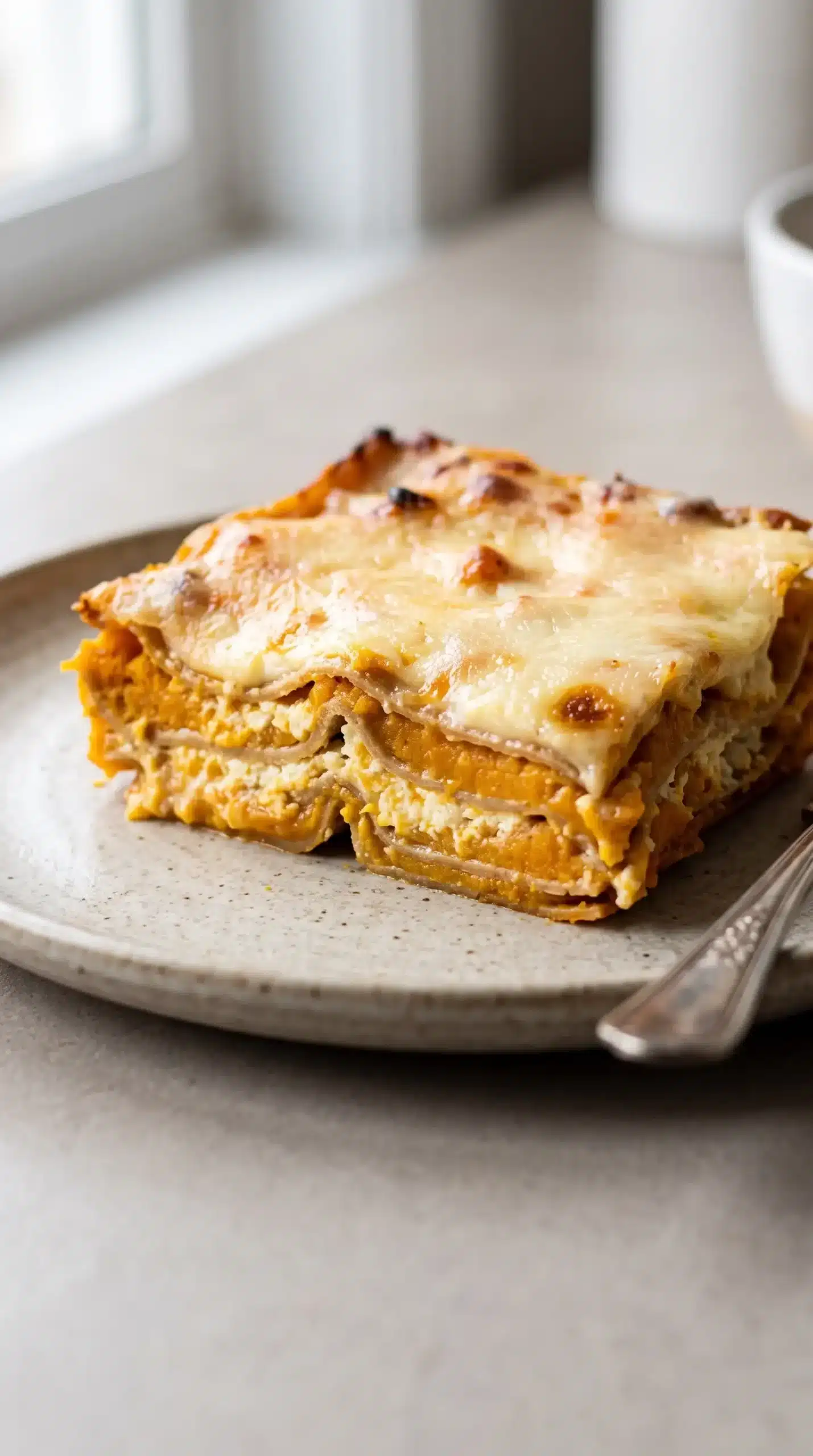
Freshly served slices reveal the difference between the creamy center and the firmer noodle structure. Allowing the layers to settle slightly after baking can make portions easier to serve.
Storage Choices Preserve Butternut Squash Lasagna Quality
Stored portions should be protected from moisture loss so the squash and ricotta layers keep their creamy texture. Airtight storage helps maintain the dish’s character for later meals.
Gentle reheating works best because high heat can dry the cheese layers before the center becomes warm. Adding a small amount of moisture during reheating can help restore softness.
Butternut Squash Lasagna Gains Creaminess Through Moisture Balance
Butternut squash lasagna succeeds when its soft fillings, sturdy noodles, and cheese layers reach the right balance of moisture. The squash purée provides the creamy foundation, while careful layering helps the pasta absorb flavor without losing its structure.
Thoughtful baking choices make the biggest difference in the finished dish. Protecting moisture, distributing fillings evenly, and deciding how much cheese to add on top shape whether each slice feels smooth, rich, and cohesive.
Questions About Butternut Squash Lasagna Texture and Preparation
Can butternut squash lasagna become too dry?
Yes, dryness can happen if too much moisture escapes during baking or if filling is spread unevenly. Keeping the layers well covered during much of the bake can help maintain a softer texture.
Should the squash purée be seasoned before layering?
Seasoning the squash before assembly helps distribute flavor throughout the dish. Mixing the purée completely with its seasonings creates a more consistent taste in every portion.
Why does the ricotta layer matter for texture?
The ricotta layer adds a creamy contrast to the squash and noodles. It prevents the lasagna from relying on one texture by creating a softer cheese-based section between pasta layers.
Can the top cheese layer be skipped?
The optional topping changes the surface experience but is not required for the dish to work. Leaving it off creates a softer finish, while adding cheese produces a more melted, richer top layer.
How can slices hold together better when served?
Even layering and allowing the baked lasagna to settle briefly before cutting can improve slice stability. A balanced filling distribution helps the noodles and cheese layers remain connected.
Butternut Squash Lasagna with Parmesan and Ricotta
Butternut Squash Lasagna is a creamy, comforting layered pasta dish with smooth squash and ricotta textures balanced by savory cheese flavors. It is a satisfying choice for cozy meals and gatherings.
Ingredients
Method
Preparation
- Preheat oven to 400°F (204°C).
- Mix the squash puree, sel de cuisine, garlic, salt, and pepper together until evenly combined.
- In a separate bowl, combine the ricotta, 1/4 cup Parmesan cheese, salt, and pepper, then mix thoroughly.
Assembly
- Coat an 8×8-inch baking dish with cooking spray.
- Spread a small amount of the butternut squash mixture across the bottom of the dish.
- Arrange 2 noodles in the dish with slight overlap. Add half of the remaining squash mixture, then place 2 more noodles over the layer and spread with half of the ricotta mixture.
- Repeat the layers in order with noodles, squash mixture, noodles, and ricotta mixture. Finish by sprinkling the remaining 1/4 cup Parmesan cheese on top.
Baking
- Bake for 45 minutes.
- Add sliced cheese on top, then bake or broil for an additional 5-10 minutes.
Notes
Covering the lasagna may help prevent the top from becoming too crisp, especially if you do not plan to melt cheese over each piece. It may also help retain moisture. The lasagna was made uncovered and tasted great, but covering it during baking or adding a little more liquid such as vegetable stock may help maintain a creamier texture.