From breakfast to dinner, from healthy meals to sweet desserts – Next Yum Recipes brings you quick, simple and tasty ideas for every occasion and every time.


 This Recipe
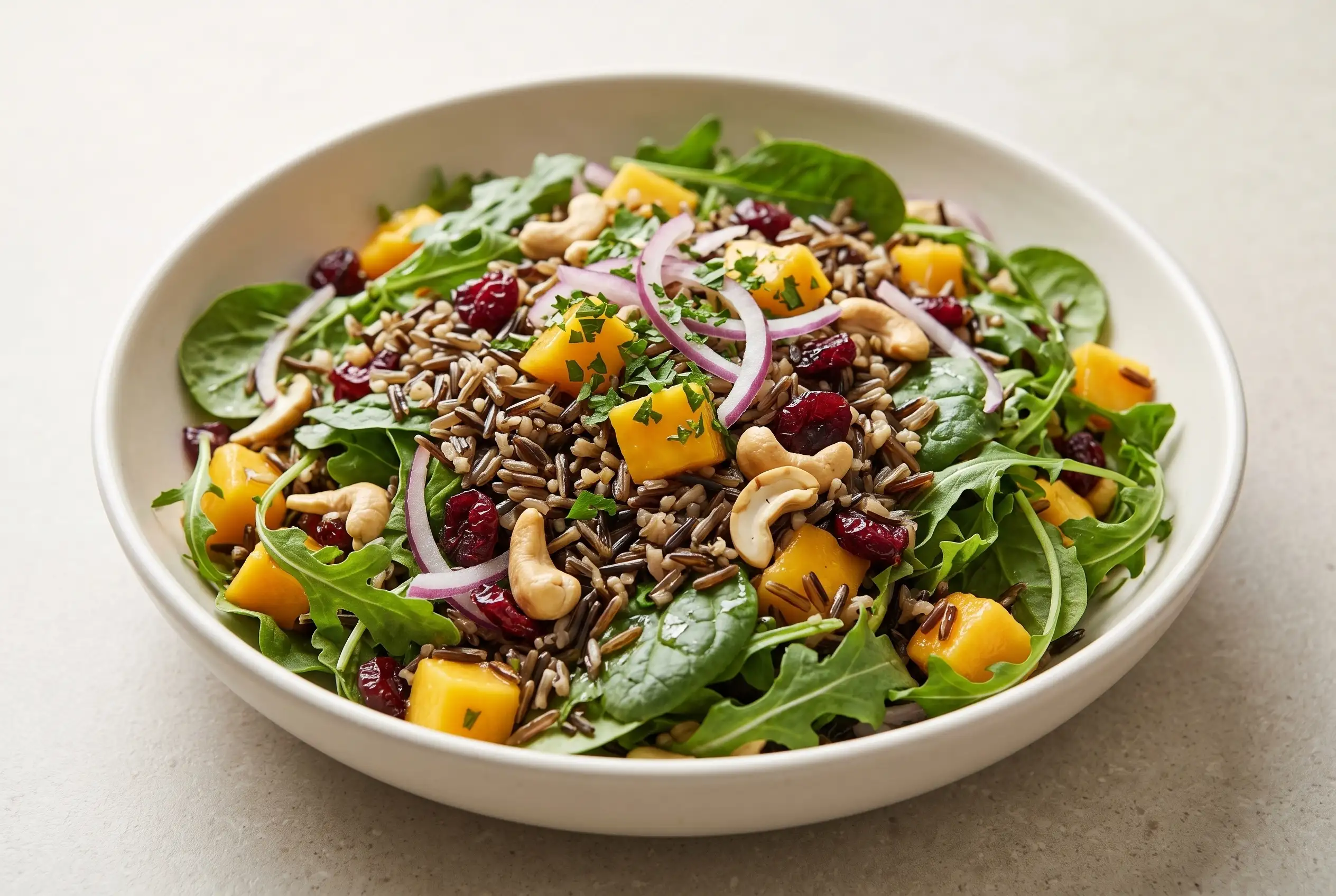
Thanksgiving salad brings together chewy wild rice, tender greens, sweet mango, dried cranberries, cashews, red onion, and a bright citrus dressing made with lemon and orange. The mix feels substantial enough for a holiday table without competing with heavier dishes, and its strongest feature is contrast: cool grains meet crisp greens, fruit supplies sweetness, and citrus keeps the entire bowl lively.
A successful thanksgiving wild rice salad depends less on complicated preparation than on controlling temperature, seasoning, and timing. Wild rice should be completely cool before it meets the greens, the dressing needs enough salt and pepper to stand up to the grains, and the dressed salad is best assembled close to serving so the leaves retain their texture.
Wild Rice Gives Thanksgiving Salad Its Structure
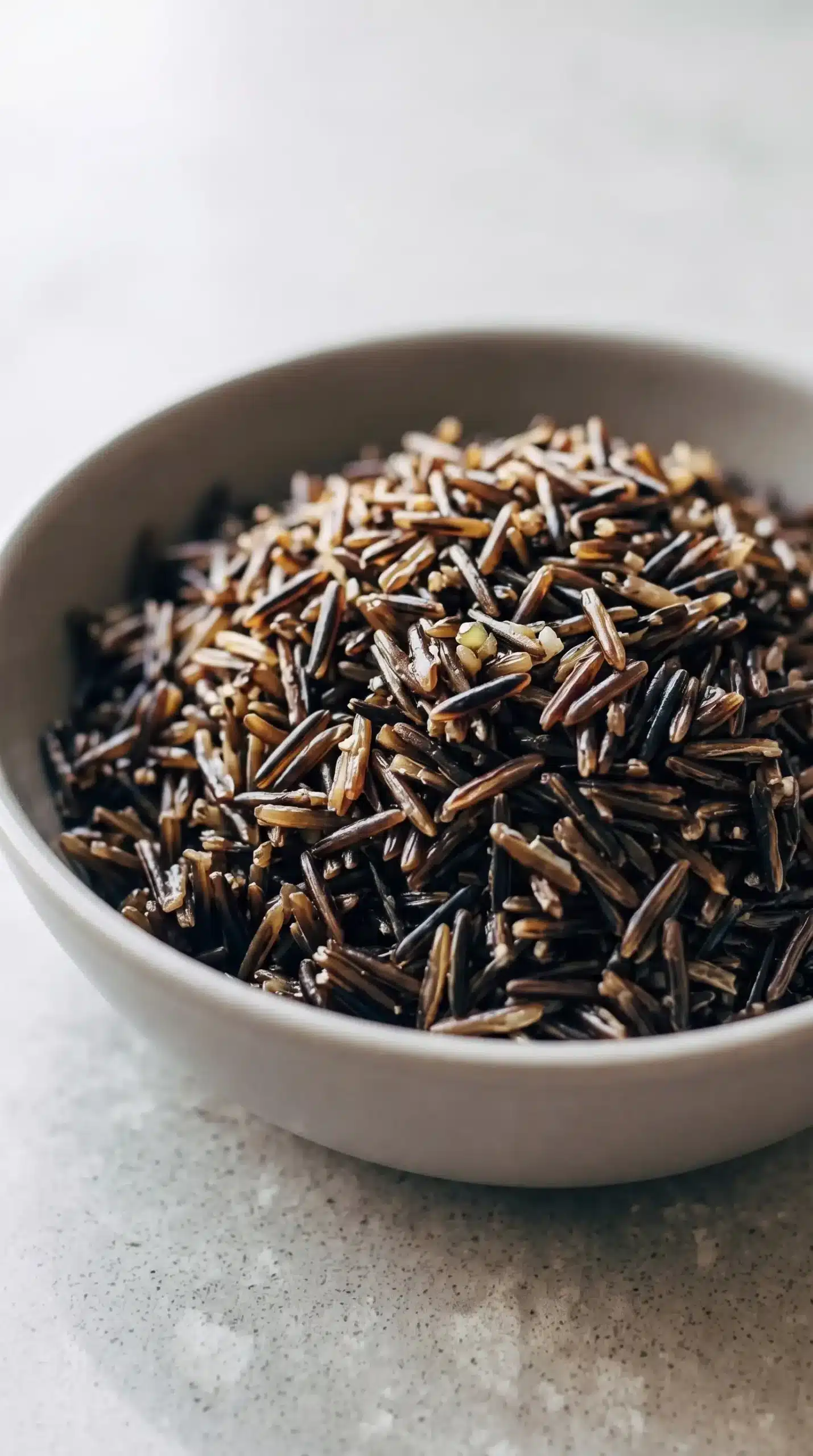
Cooked wild rice provides the firm, chewy foundation that makes the salad feel more substantial than a bowl of dressed greens. Its irregular grains create pockets for the citrus dressing while still remaining distinct among the mango, cranberries, nuts, and leaves. That texture becomes especially useful on a Thanksgiving table, where many surrounding dishes are soft, creamy, or mashed.
Flavor improves when the rice is cooked in a liquid with more character than plain water. Using part vegetable or chicken stock gives the grains a savory background that connects naturally with the rest of a holiday meal. Because the dressing is fresh and citrus-forward, seasoned rice also prevents the grain portion from tasting detached from the other components.
Cooling matters just as much as flavor. Warm grains can soften delicate leaves quickly, so preparing the rice ahead and refrigerating it gives the salad a cleaner texture when everything is combined. Chilled rice also separates easily, which helps distribute it through the greens instead of leaving heavy clusters at the bottom of the bowl.
Cool Grains Protect the Greens
Refrigerated wild rice is the safest starting point for maintaining contrast between chewy grains and fresh leaves. Residual heat from recently cooked rice can wilt spinach and soften arugula before the dressing is even added, making the salad seem tired much sooner than intended.
Once chilled, the grains should feel loose enough to scatter through the bowl. If they have settled into firm clumps in the refrigerator, gently separating them before assembly helps prevent aggressive tossing later. Less handling keeps the mango pieces intact and reduces bruising on tender greens.
Moisture also deserves attention. Rice that carries excess cooking liquid can dilute a wild rice salad with lemon dressing and make the citrus mixture collect at the bottom. Properly cooked, cooled grains should be moist but not wet, allowing the dressing to coat their surface instead of disappearing into stray liquid.
Choose Greens for the Texture You Want
Arugula creates the sharpest contrast with sweet mango and dried cranberries, spinach offers a softer and more delicate base, and a mixed-green blend falls between the two. Pairing peppery arugula with sweet fruit keeps sweetness from dominating the bowl while preserving a fresh, savory edge. Whichever option is used, dry leaves are important because surface water weakens the dressing and makes seasoning harder to judge.
| Green | Flavor | Texture | Best Fit in the Salad |
|---|---|---|---|
| Arugula | Peppery and assertive | Light with some bite | Balances sweet fruit especially well |
| Spinach | Mild and gently earthy | Soft and tender | Creates a mellower overall salad |
| Mixed greens | Varied and balanced | Combination of soft and crisp leaves | Works well when serving different preferences |
Citrus Dressing Needs Confident Seasoning
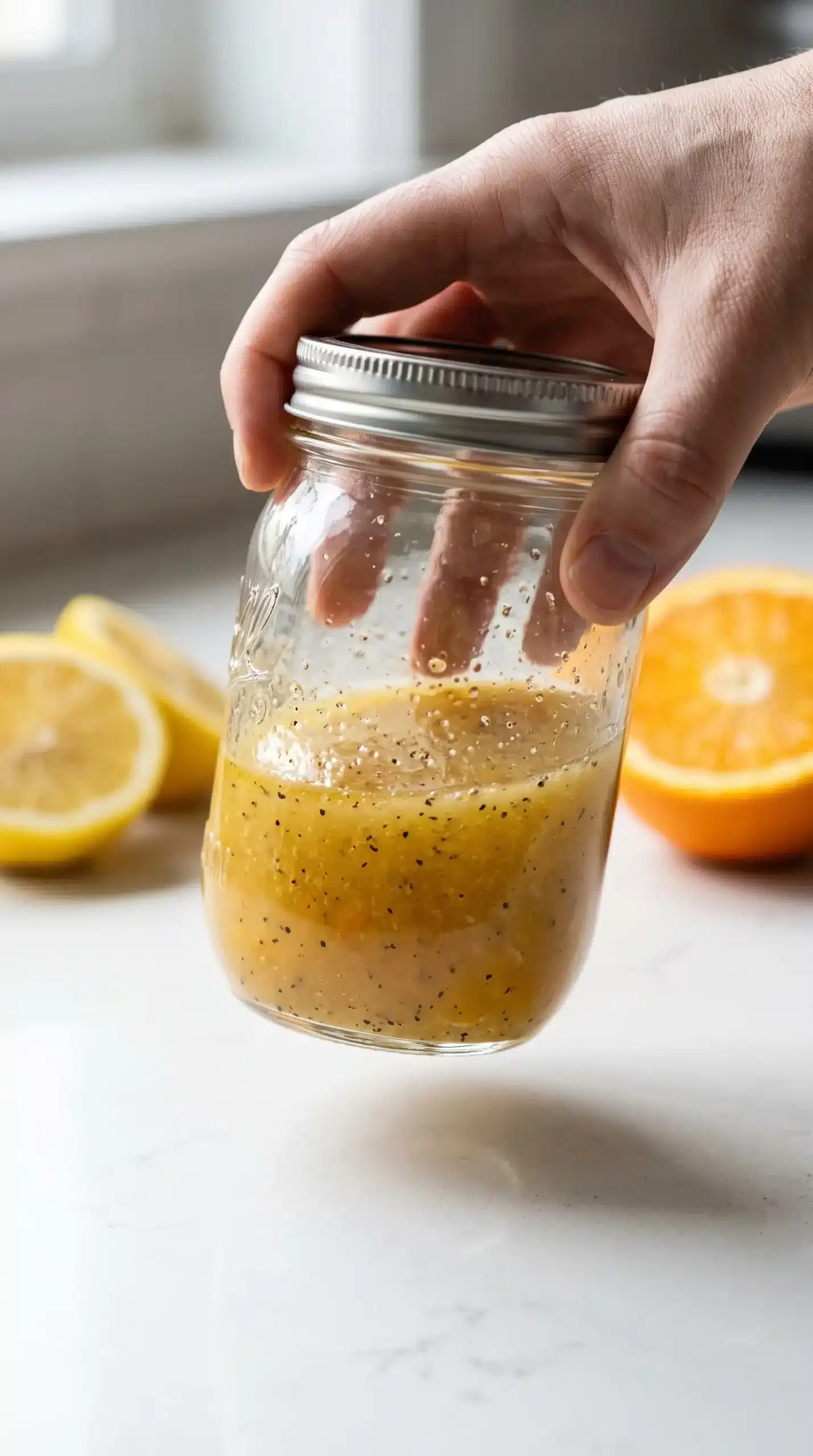
Lemon and orange juice create the bright backbone of the dressing, but acidity alone does not make the mixture taste complete. Olive oil softens the sharper citrus edges, while salt and pepper bring definition to both the grains and fruit. A tightly sealed jar makes it easy to combine those elements into a smooth dressing without extra equipment.
Shaking does more than blend the dressing briefly: the oil becomes dispersed into tiny droplets through the citrus mixture, creating an emulsion and a more uniform coating for the salad.
Tasting before the dressing reaches the salad is the most useful control point. Wild rice, greens, and mango all soften seasoning once combined, so a dressing that tastes timid on its own is likely to disappear in the finished bowl. Salt should make the citrus taste clearer, not simply salty, while black pepper can provide a subtle savory edge.
Optional honey or agave should be treated as a balancing adjustment, not an automatic addition. Orange juice, mango, and cranberries already contribute sweetness, so the dressing may need little or none. Add sweetener only when the citrus tastes unusually sharp or when the selected greens have a particularly bitter edge.
Mango, Cranberries, and Cashews Build Contrast
Mango gives juicy sweetness, dried cranberries provide a denser chewy note, and cashews create the crispest texture in the bowl. Their value is strongest when the pieces remain distinct, so gentle handling preserves the differences that make a thanksgiving salad with cranberries more interesting from bite to bite.
Assembly Order Keeps the Bowl Fresh
Large greens should form a loose base with the cooled wild rice distributed through them before softer fruit is introduced. That arrangement prevents dense grains from settling underneath the leaves and reduces the amount of tossing needed once everything else enters the bowl.
Delicate additions benefit from being folded in with a lighter hand. Mango can break down if the salad is stirred forcefully, while cashews remain more noticeable when they are not buried beneath heavy ingredients. Sliced red onion can be partly mixed through and partly reserved for the surface, where its color provides a clean visual accent.
Dressing belongs at the end of assembly. Once citrus and oil coat the leaves, the salad begins changing immediately, especially when spinach is used. Toss only until the ingredients look evenly glossed, then move the bowl to the table while the greens still have definition.
Thanksgiving Salad Mistakes That Flatten the Texture
Most problems come from temperature, moisture, or excess handling rather than unusual ingredients. Each one changes the balance that makes the salad appealing, but all are easy to prevent when the components are checked before they enter the bowl.
- Warm wild rice: Heat softens the greens and removes the contrast between cool leaves and chewy grains.
- Wet greens: Water dilutes the citrus dressing and leaves seasoning uneven.
- Underseasoned dressing: Mild dressing becomes even less noticeable once mixed with rice and fruit.
- Overmixing: Vigorous tossing can crush mango and push heavier ingredients to the bottom.
- Early dressing: Citrus and oil soften delicate leaves while the salad waits.
A bowl that already seems flat can sometimes be corrected before serving. Extra salt and pepper can sharpen a muted dressing, while a small squeeze of citrus can wake up a mixture that tastes overly sweet. If the leaves have already softened significantly, additional tossing will not restore them and may make the texture worse.
Visual clues are often enough to catch trouble early. Greens should still hold their shape, wild rice should remain separate, and mango pieces should look intact instead of smeared through the bowl. Those signs indicate that the components have been combined with enough restraint.
The Holiday Table Benefits from Sweet-Savory Balance
Because the salad combines fruit, grains, nuts, greens, and citrus, it can sit comfortably beside rich holiday foods without duplicating their texture. Peppery arugula and red onion make the bowl feel more savory, while mango and cranberries keep it recognizable as a festive side instead of an ordinary green salad.
Variations Work Best When Texture Stays Balanced
Substitutions are easiest when the replacement performs a similar structural role. Apples or grapes can take the fruit in a different direction, pecans or walnuts can replace the cashews, and quinoa or farro can provide another grain option when wild rice is unavailable. Each change alters the character of the bowl, so one or two substitutions usually preserve the original balance better than changing several elements at once.
- For more crunch: Use apples with pecans or walnuts.
- For a creamy accent: Add feta, goat cheese, or white cheddar in modest pieces.
- For another grain: Quinoa gives a finer texture, while farro keeps more chew.
- For a sugar-conscious version: Omit dried cranberries or use an unsweetened dried fruit that suits the salad.
Cheese works especially well when paired with a fruit that can handle its richness. White cheddar and apples form a more savory combination, while goat cheese or feta can create sharper contrast with mango or grapes. Small pieces are enough because the citrus dressing already supplies plenty of flavor.
Grain substitutions require the same temperature rule as wild rice. Whatever cooked grain is chosen should be cooled completely before it touches the greens. Keeping that condition constant preserves the fresh character of the salad even when the ingredient profile changes.
Make-Ahead Prep Stops Before the Dressing
Wild rice can be cooked and chilled in advance, the dressing can be shaken separately, and sturdy components can be prepared before the meal, but the greens should stay undressed until close to serving. Storing the elements separately protects leaf texture and makes it easier to refresh the bowl just before it reaches the table.
Red Onion and Parsley Finish the Presentation
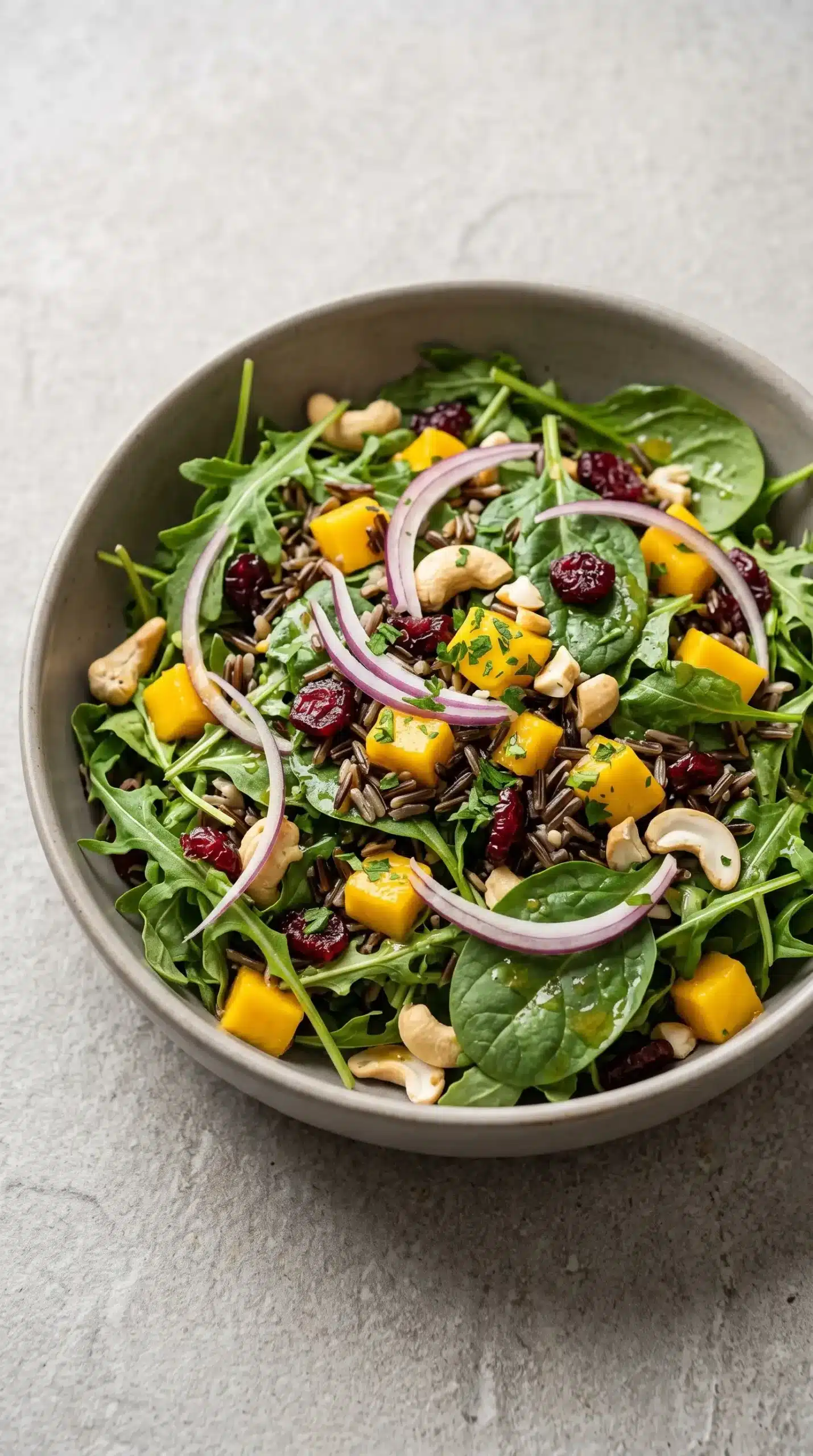
Thin slices of red onion provide both color and a sharper flavor that breaks through the sweeter fruit. Reserving a few attractive slices for the surface gives the finished salad definition without requiring decorative garnishes that are unrelated to the ingredients already in the bowl.
Fresh parsley is optional, but when used, a light scattering is more effective than a heavy layer. Its green color reinforces the freshness of the leaves, while small pieces integrate easily with the wild rice and dressing. Large amounts could distract from the citrus and fruit that define the salad.
Serving in a broad bowl also makes the mixture easier to appreciate. More surface area exposes the different colors and textures, prevents dense ingredients from disappearing beneath the greens, and allows guests to scoop portions containing rice, fruit, nuts, and leaves together.
Temperature and Timing Define a Better Thanksgiving Salad
Cool wild rice, dry greens, well-seasoned citrus dressing, and last-minute tossing create the clearest version of the dish. When those conditions are controlled, the chewy grains remain distinct, the fruit stays intact, and the greens retain enough structure to carry the lemon-orange dressing without becoming limp.
That balance is what allows thanksgiving salad to work beside richer holiday foods. Savory rice and onion keep the bowl grounded, sweet fruit adds contrast, and bright citrus ties the ingredients together without weighing them down.
Wild Rice, Dressing, and Storage Questions Answered
Can the wild rice be prepared the day before?
Yes. Cooking it ahead is especially useful because overnight refrigeration ensures the grains are completely cool before assembly. Keep the rice covered in the refrigerator, then loosen any compacted grains gently before adding them to the bowl.
What can replace mango if it is unavailable?
Apples or grapes are both suitable alternatives from the suggested variations. Apples give firmer crunch and work especially well with white cheddar or nuts, while grapes provide juicy sweetness with less cutting required.
Can the dressing be made without added sweetener?
Yes. Honey and agave are optional because the orange juice, mango, and dried cranberries already provide sweetness. Taste the citrus mixture first and add sweetener only if its acidity needs softening.
How should leftovers be stored?
Undressed components hold their texture better when refrigerated separately in covered containers. Once greens have been tossed with the citrus dressing, they will gradually soften, so assembled leftovers are best treated as a more tender salad instead of expecting the original crispness.
Can dried cranberries be omitted for a lower-sugar version?
They can be left out entirely or replaced with an unsweetened dried fruit that fits the other flavors. Removing them makes mango and orange more prominent, so tasting the dressing before adding any optional sweetener becomes especially important.
Thanksgiving Salad with Wild Rice and Lemon Dressing
Thanksgiving salad combines chewy wild rice, tender greens, juicy mango, dried cranberries, and cashews with a bright lemon-orange dressing. Its fresh sweet-tart flavor and varied textures make it an appealing addition to a holiday gathering.
Ingredients
Method
Preparation
- Place the orange juice, lemon juice, olive oil, salt, pepper, and optional agave or honey in a jar with a tight-fitting lid. Seal the jar and shake until the dressing is smooth. Taste and adjust the salt and pepper as needed.
- Combine the greens, cooked wild rice, chopped mangos, cashews, dried cranberries, and sliced red onions in a bowl, reserving a few onion slices for the top.
- Pour the dressing over the salad and toss gently until the ingredients are evenly coated. Serve immediately after dressing, or keep the components separate and assemble just before serving.
Notes
For a sugar-free version, omit the dried cranberries or replace them with a sugar-free dried fruit. Apples, grapes, pecans, walnuts, feta cheese, goat cheese, white cheddar cheese, quinoa, and farro are also good additions or alternatives. The wild rice has the best flavor when cooked in a combination of water and vegetable or chicken stock rather than only water. Making the wild rice the day before and refrigerating it overnight keeps it from being hot enough to wilt the greens when the salad is assembled.