From breakfast to dinner, from healthy meals to sweet desserts – Next Yum Recipes brings you quick, simple and tasty ideas for every occasion and every time.


 This Recipe
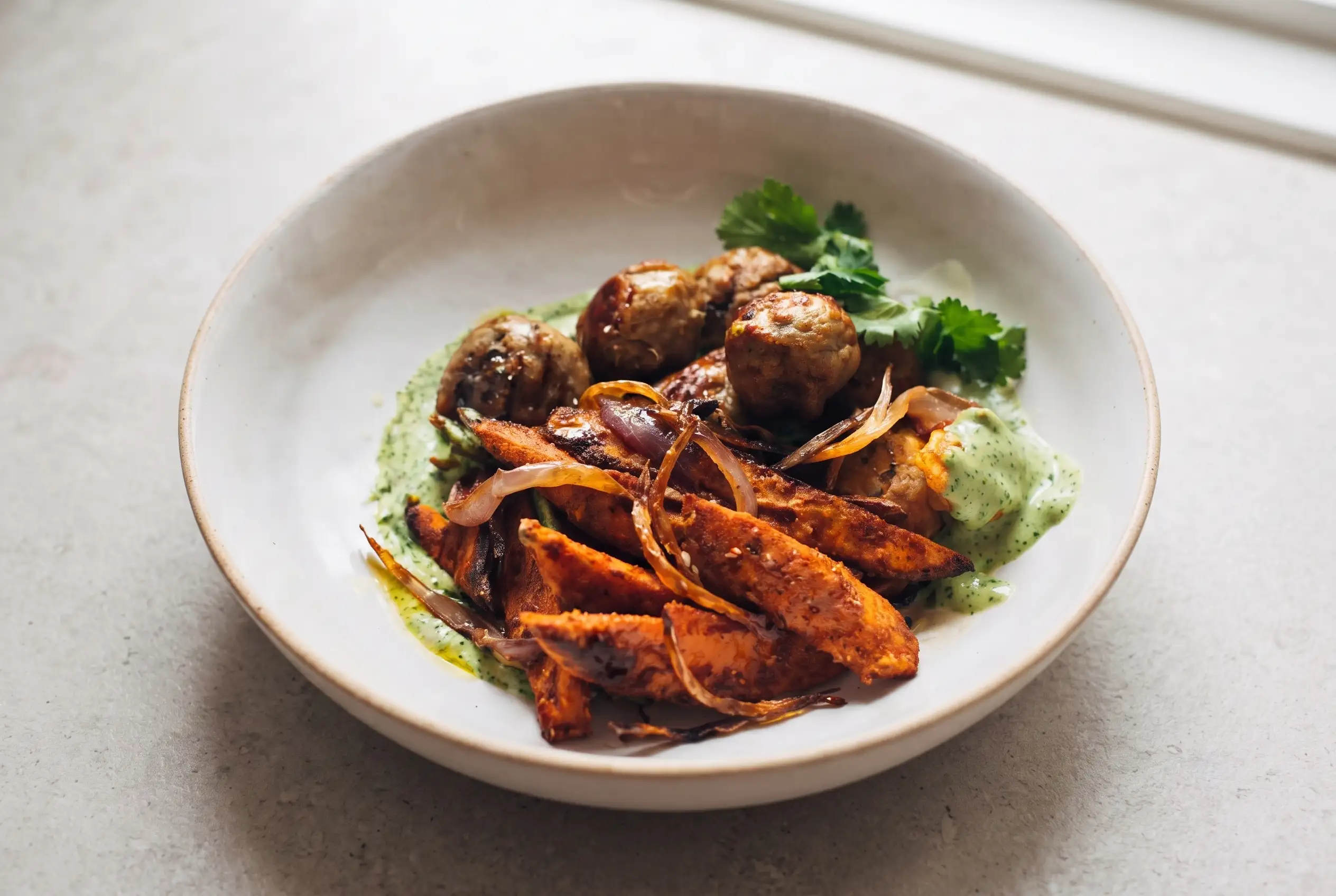
Avocado mojo bowls bring together roasted sweet potatoes, a bright avocado sauce, and a satisfying protein choice in a meal that balances comfort with fresh flavors. The combination works because the warm roasted vegetables create a hearty base while the creamy mojo sauce adds a lively finish that keeps every bite from feeling heavy.
The appeal of these bowls comes from contrast. Sweet potato wedges develop caramelized edges in the oven, red onion softens into savory sweetness, and the avocado-based sauce creates a smooth coating that ties the components together. The result is a flexible bowl that can fit a quick family dinner or a prepared lunch.
Avocado Mojo Bowls Build Around Creamy Green Sauce
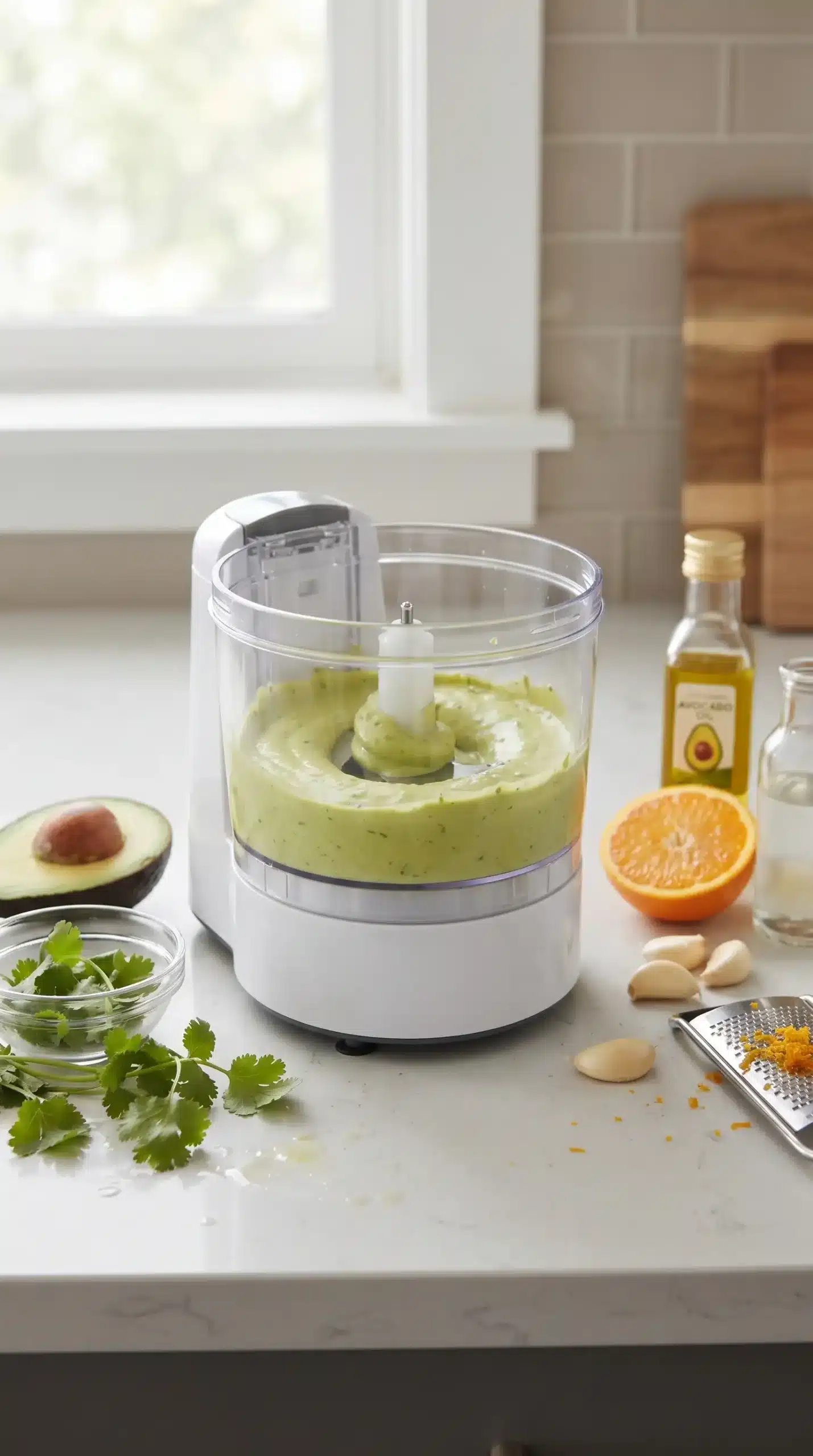
The sauce is the defining feature that gives avocado mojo bowls their identity. Blending avocado with orange juice, white vinegar, garlic, cilantro, and avocado oil creates a dressing with richness, acidity, and herbal freshness. Each part supports the others, allowing the sauce to work as both a topping and a dipping element.
Texture plays an important role in how the bowl comes together. A fully blended sauce coats roasted vegetables evenly, while a thicker version creates pockets of creamy flavor alongside the sweet potatoes and protein. Adding optional mayonnaise makes the mixture richer and softer, which can be useful when a more traditional creamy sauce texture is preferred.
The finished sauce also makes the bowl adaptable at the table. Extra sauce can be spooned over individual servings, used for dipping, or adjusted with additional ingredients when different preferences are needed. A small amount of jalapeño can introduce heat without changing the foundation of the dish.
Sweet Potatoes Set the Comfort Food Foundation
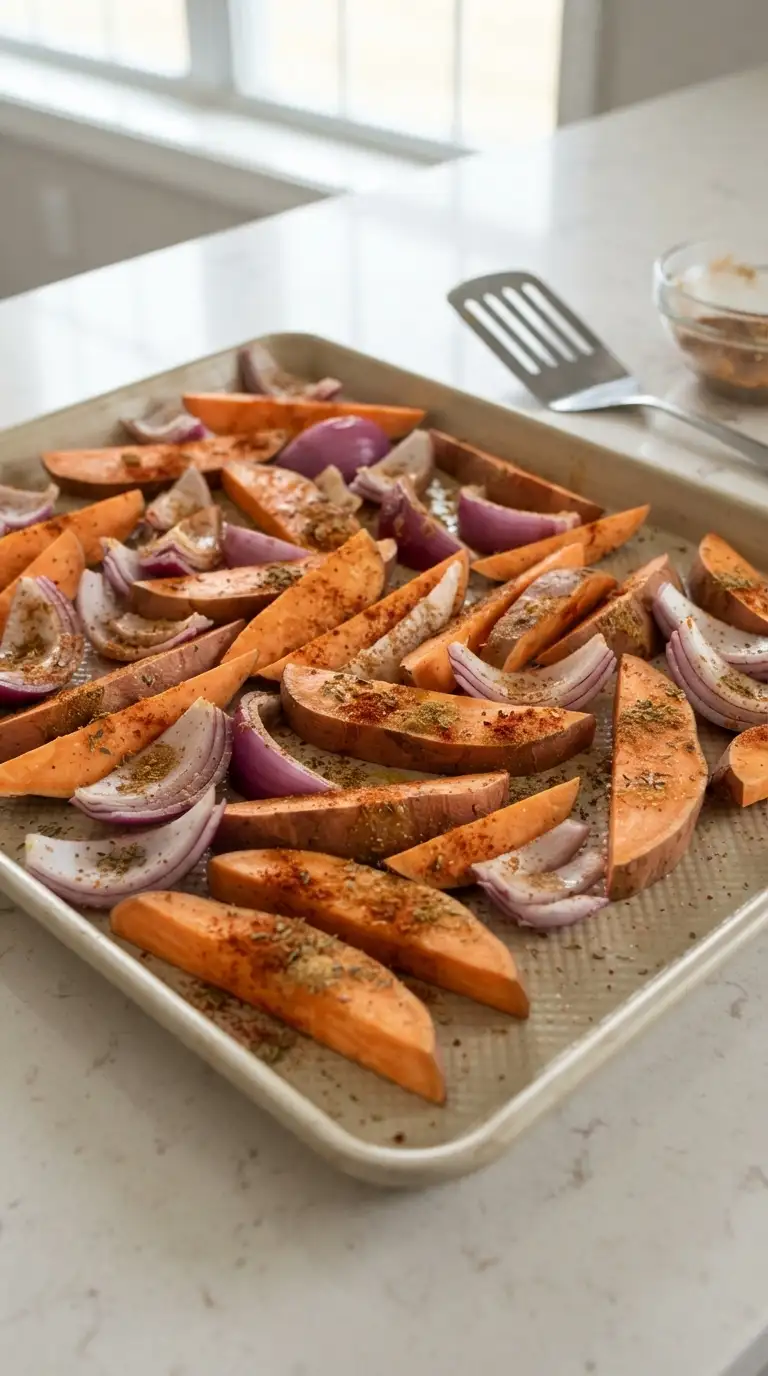
Sweet potatoes give these bowls their substantial roasted element. Cutting them into wedges creates thick pieces with a satisfying center and browned surfaces, although smaller shapes can be useful when a more even distribution throughout the bowl is desired.
Cilantro Avocado Mojo Creates the Flavor Balance
The most important ingredient decision in avocado mojo bowls is the relationship between the creamy sauce and the roasted vegetables. Avocado provides the body needed for a smooth blend, while orange juice and vinegar keep the richness balanced with brightness. The combination prevents the sauce from becoming flat or overly heavy.
Cilantro contributes a fresh herbal note by using both leaves and stems during blending. Garlic adds a savory edge that connects the sauce to the taco seasoning on the sweet potatoes, creating a shared flavor direction across the bowl. Salt helps these flavors become more defined without overpowering the other components.
Avocado oil appears in both the sauce and the roasting process for a reason. Its mild flavor allows the other ingredients to remain noticeable while helping create a cohesive texture. Choosing a sauce consistency that matches the serving style can make the same bowl feel different each time.
Roasting Choices Shape the Bowl Texture
Oven preparation has the biggest effect on the sweet potatoes and onions. Keeping the pieces evenly spaced helps create better roasting conditions, and spread vegetables across the baking sheet so they can develop color instead of simply softening. Turning the sweet potatoes during cooking also encourages more even browning.
Avocado Mojo Bowls Mistakes That Affect the Finish
Small preparation choices can change how avocado mojo bowls taste and feel. Avoiding a few common problems helps preserve the contrast between crisp roasted vegetables, tender protein, and creamy sauce.
- Overcrowded vegetables: Too many sweet potato pieces packed together can limit browning. Give the pieces room on the baking sheet so their surfaces can develop color.
- Dry sweet potato coating: Skipping enough oil can make taco-seasoned pieces roast unevenly. Tossing thoroughly helps seasoning cling to the vegetables.
- Missing crisp texture: Taco seasoning without a little starch may not create the same golden exterior. A light sprinkle of corn starch or corn flour can help when the seasoning blend does not already include one.
- Unbalanced sauce: A sauce that tastes too rich can benefit from the acidity of orange juice or vinegar. Taste adjustments after blending help maintain balance.
Protein Choices Change the Bowl Experience
The protein portion allows avocado mojo bowls to move between different meal styles. Pre-cooked chicken meatballs fit naturally because they can warm alongside the roasted vegetables, while rotisserie chicken offers an easy way to add tender shredded pieces without extra cooking steps.
Protein selection also affects how the sauce is used. Larger pieces can be coated generously, while smaller pieces create more bites where the mojo sauce reaches every component. The bowl remains centered on the roasted sweet potatoes and sauce, with the protein acting as a flexible addition.
Sauce Texture Decisions Keep the Bowl Flexible
The avocado mojo sauce can be adjusted according to how the bowl will be served. A thicker blend works well when used as a dip, while a smoother consistency spreads easily across sweet potatoes and protein.
Roasted Sweet Potato Bowls Work Beyond Dinner
Roasted sweet potato bowls are useful because their components can fit different serving situations. The combination of roasted vegetables and a creamy topping can become a plated meal, a lunch bowl, or a shared arrangement where everyone adds their preferred amount of sauce. Vegetable-centered meals can be built around roasted produce and a finishing sauce, including roasted vegetable bowls with green tahini and avocado when preparing a lunch-focused bowl.
Serving the sauce separately can be helpful when preparing meals for different tastes. Some diners may prefer extra creaminess, while others may want the roasted vegetables to remain the strongest flavor. Keeping the elements flexible preserves the dish’s variety.
Preparing Components for Better Serving Flow
Organizing the bowl around separate textures makes assembly easier. The roasted vegetables need time to develop their flavor, while the sauce can be prepared during roasting so both parts are ready together.
Good serving flow comes from protecting the contrast between warm and cool elements. Adding sauce near serving time keeps the roasted sweet potatoes distinct and lets each component maintain its intended texture.
Storing and Adjusting Leftovers with Care
The avocado sauce can be kept refrigerated for up to two days, making it useful for planned meals after the first serving. Storing it separately from roasted vegetables helps preserve the texture of the components.
Extra sweet potatoes and onions can be reheated and paired with fresh sauce for another bowl. The separate storage approach also makes it easier to adjust portions, add different proteins, or change the amount of sauce used.
Avocado Mojo Bowls Bring Sauce and Roast Together
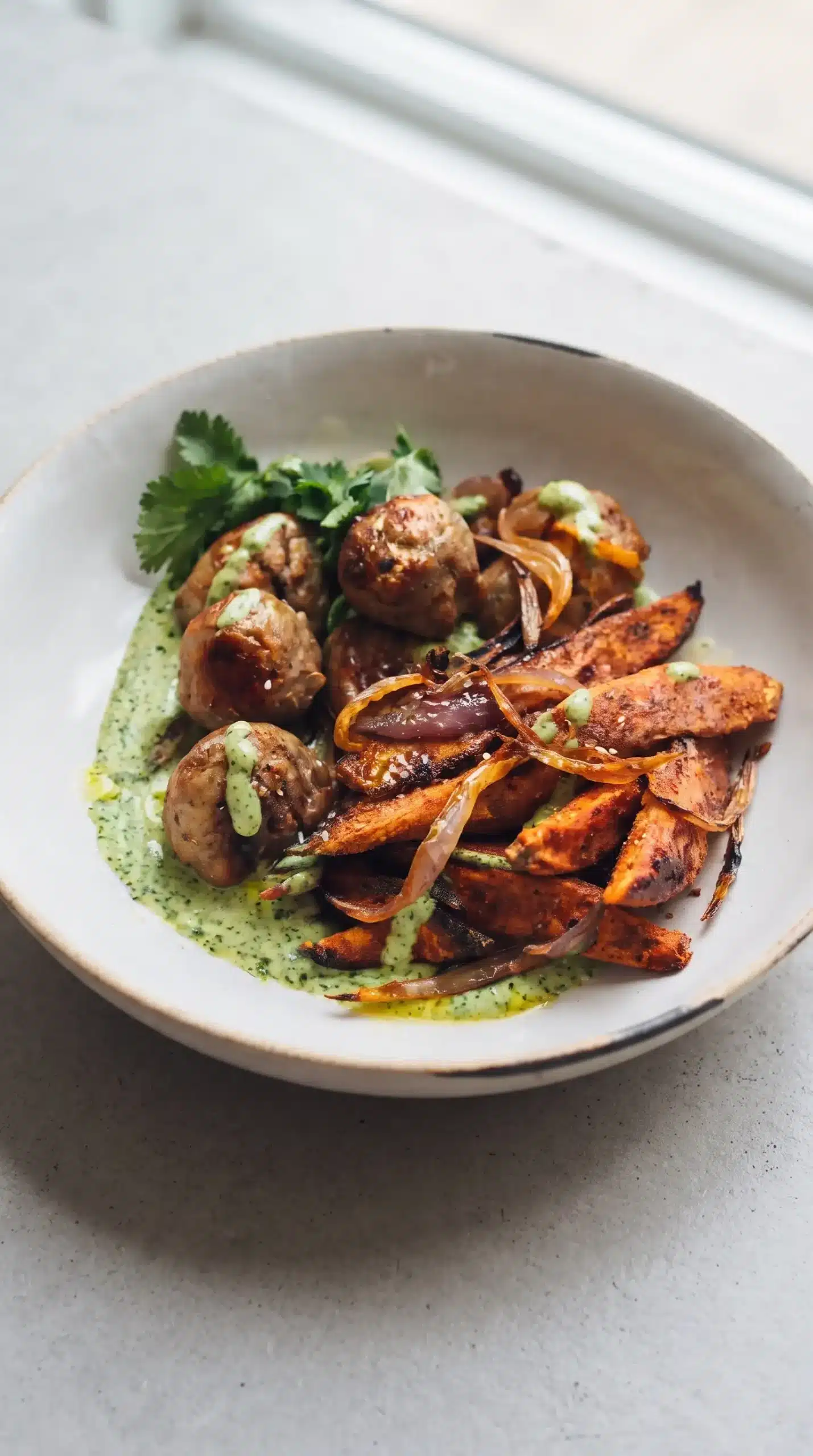
Sweet potatoes with browned edges and a creamy avocado mojo sauce show how simple roasting and blending decisions shape the entire meal. The strongest result comes from keeping the vegetables flavorful, the sauce balanced, and each component distinct enough to be noticed.
The bowl succeeds because its comfort comes from roasted ingredients while its freshness comes from the bright green sauce. That combination creates a meal where texture and flavor remain connected from the first bite to the last.
Avocado Mojo Bowls Troubleshooting Questions
Can avocado mojo sauce be made without mayonnaise?
Yes. The mayonnaise is optional and only changes the sauce texture by making it creamier. The avocado, oil, citrus, vinegar, garlic, and herbs still create the main flavor structure without it.
How can I make sweet potatoes crispier in avocado mojo bowls?
Use a light coating of oil, avoid crowding the baking sheet, and check whether the taco seasoning contains a starch ingredient. Adding a small amount of corn starch or corn flour can encourage a more golden exterior when needed.
Can I make the bowl spicier?
The sauce is mild as written, but a jalapeño can be blended with the other sauce ingredients to add heat. Adjusting the taco seasoning can also change the overall spice level.
What protein works best with sweet potato avocado bowls?
Chicken meatballs and rotisserie chicken both pair well because they complement the taco-seasoned sweet potatoes and work with the creamy sauce. Other prepared proteins can also fit if they match the bowl’s savory flavor direction.
Avocado Mojo Bowls with Sweet Potato and Avocado Sauce
Avocado Mojo Bowls are hearty bowls with roasted sweet potatoes, a creamy avocado mojo sauce, and a fresh flavor balance that makes them a comforting choice for easy weeknight meals.
Ingredients
Method
Preparation
- Preheat the oven to 425°F (218°C). Peel the sweet potatoes and cut them into wedges or another preferred shape.
- Arrange the sweet potatoes on a large baking sheet and coat them with avocado oil and taco seasoning.
- Peel the red onion and slice it into thin wedges, then place the pieces around the sweet potatoes on the baking sheet.
Baking
- Bake the vegetables for a total of 35 minutes. After 20 minutes, remove the pan, turn the sweet potato pieces, and add the meatballs if using pre-cooked meatballs.
- If using store-bought pre-cooked meatballs, place them on the baking sheet for the final 15 minutes of baking so they warm through.
Sauce
- While the vegetables roast, blend the avocado sauce ingredients until smooth. Taste and adjust as needed, then set aside.
Assembly
- Add avocado sauce to plates or bowls, then top with the meatballs, roasted sweet potatoes, and onions.
Notes
Add the mayo for a creamier sauce texture if desired. The sauce keeps for two days in the fridge. The sauce is mild as written, but adding a jalapeño can add heat. If the taco seasoning does not contain corn starch or corn flour, add a light sprinkle (1 teaspoon) with the taco seasoning to help the sweet potato fries develop a crispier golden exterior.