From breakfast to dinner, from healthy meals to sweet desserts – Next Yum Recipes brings you quick, simple and tasty ideas for every occasion and every time.


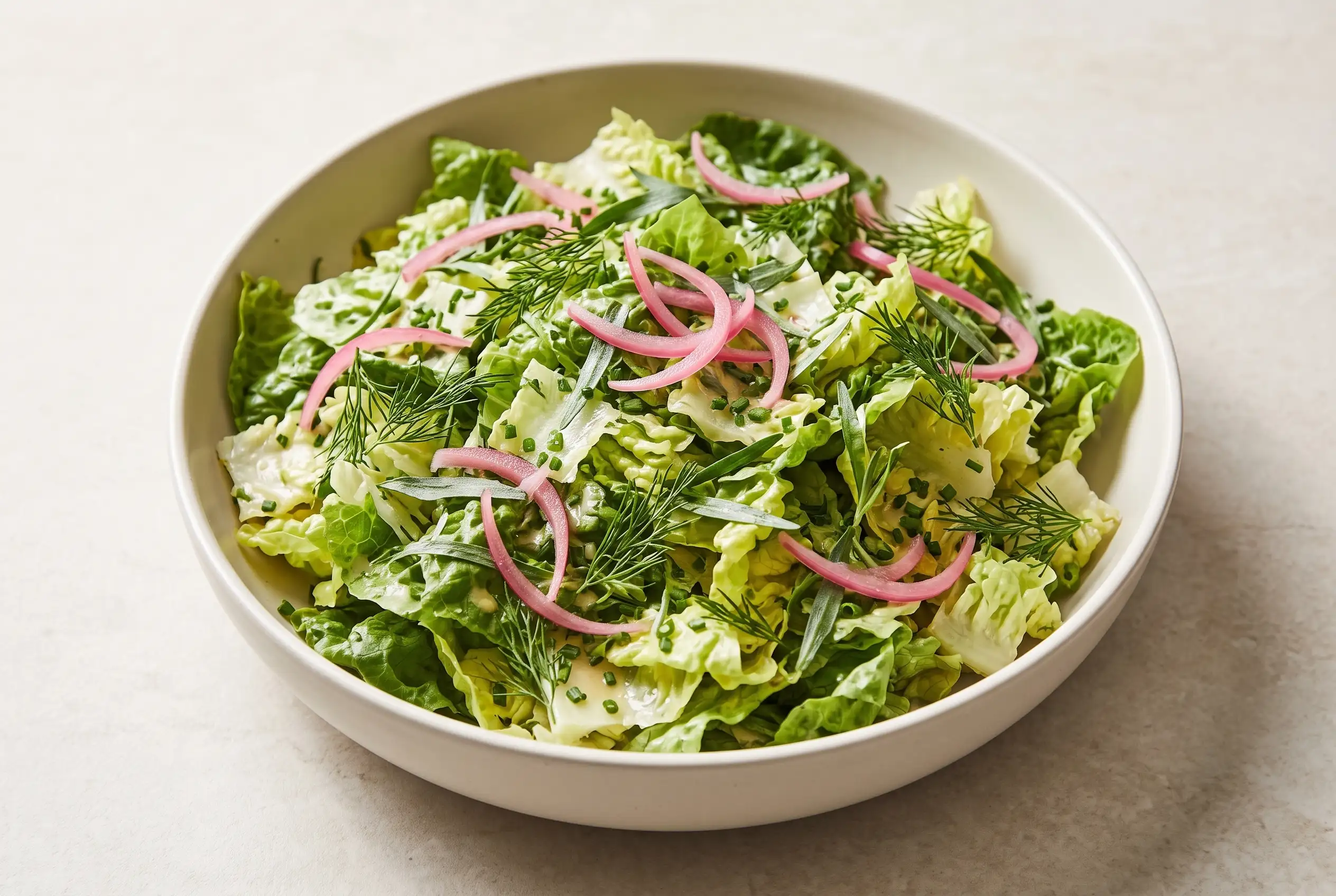 This Recipe
Liz’s Bistro Salad Brings Brightness to Simple Greens
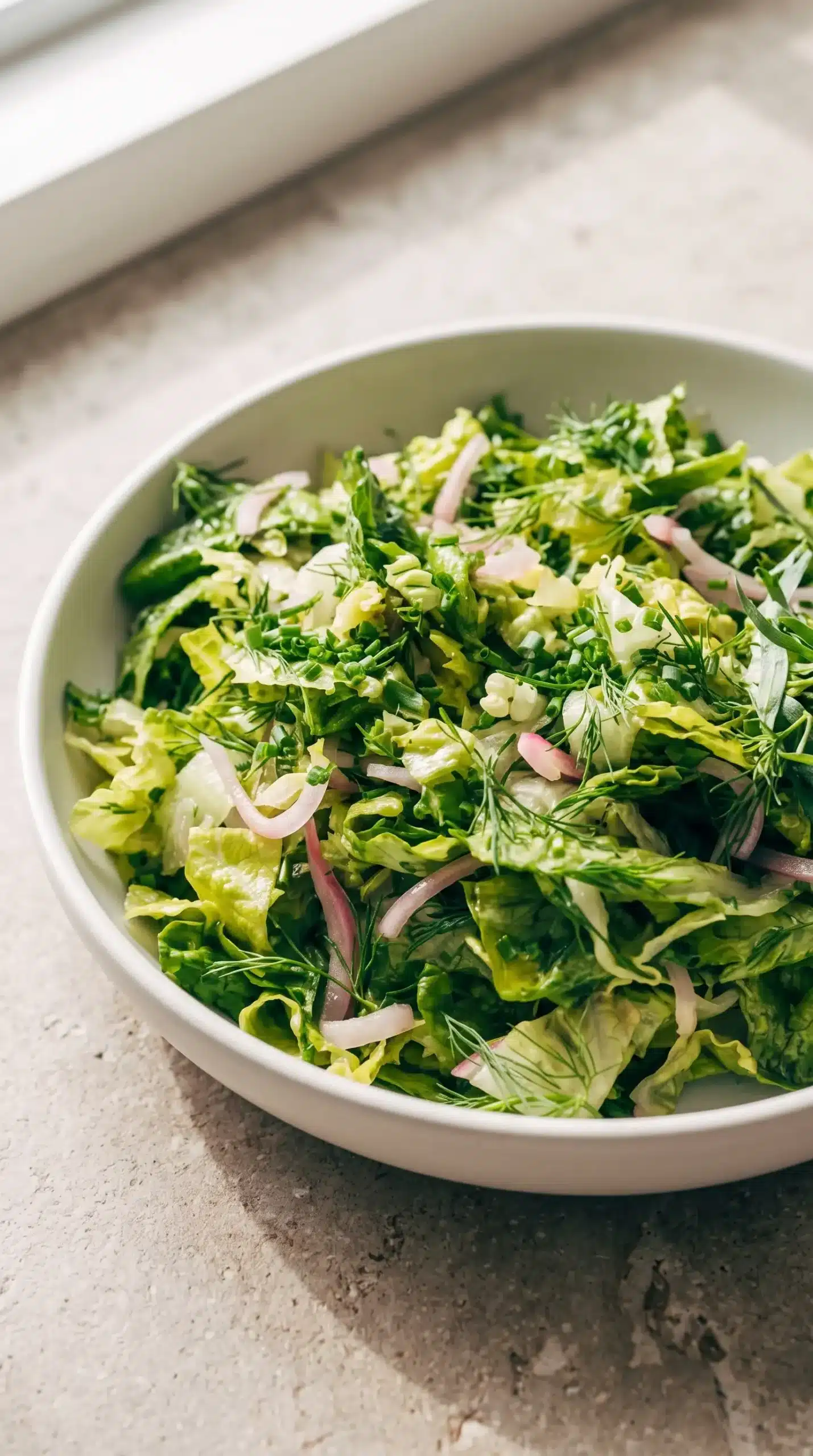
Liz’s Bistro Salad combines crisp greens, fresh herbs, tangy pickled onions, and a mellow homemade dressing into a balanced side that feels both refreshing and satisfying. This bistro salad works because every element has a clear role: tender lettuce creates the base, herbs bring fragrance, onions add a sharp contrast, and the dressing ties everything together without overwhelming the delicate vegetables.
The charm of a bistro salad comes from restraint. Instead of relying on heavy toppings or complicated additions, the bowl focuses on texture and freshness. The combination of romaine, butter lettuce, tarragon, dill, and chives creates a layered herb salad with pickled onions that can sit comfortably beside many different meals.
Pickled Onions Shape the Salad’s Signature Contrast
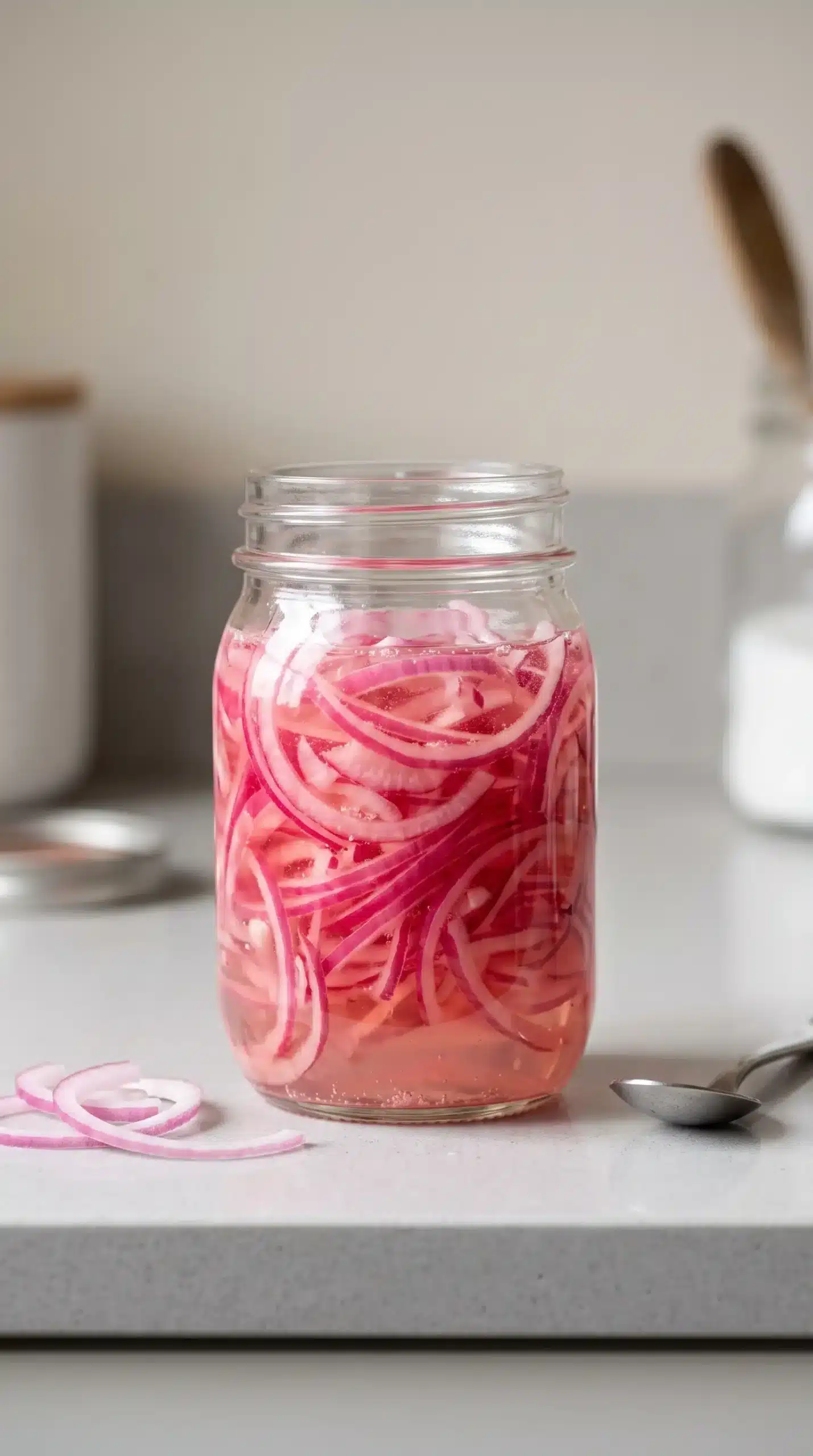
The quick-pickled red onions are the ingredient detail that most changes how the finished salad tastes. Their vinegar bath softens the raw onion bite while creating the bright, slightly puckery flavor that makes each forkful more interesting.
Keeping the onions in their pickling liquid until serving helps preserve their texture and allows the vinegar, water, salt, and sugar mixture to gently balance the sharpness. The result is an onion element that adds character without dominating the greens.
Fresh Herbs Define Liz’s Bistro Salad Flavor
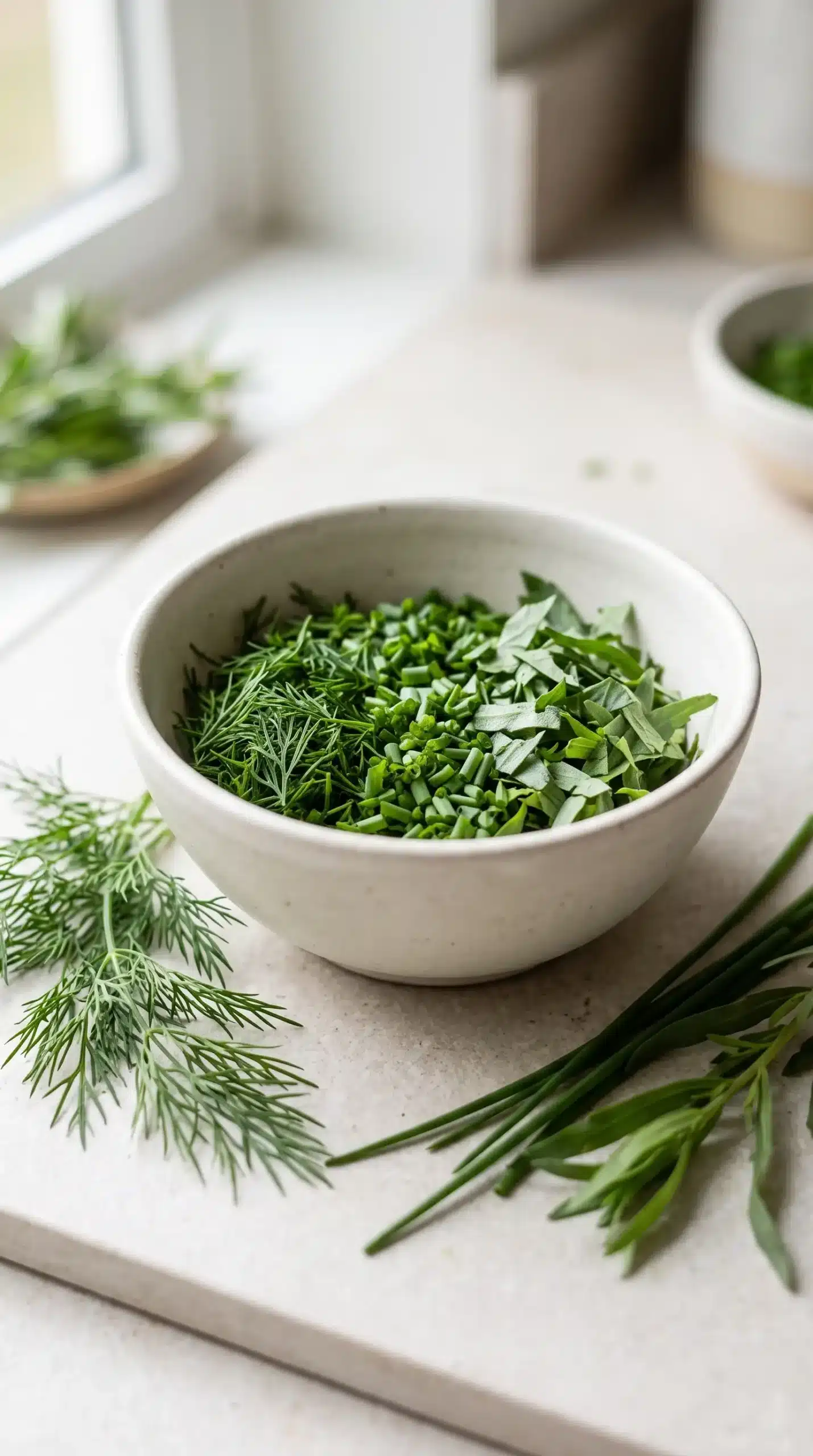
The herb combination gives Liz’s Bistro Salad its recognizable personality. Tarragon contributes a delicate aromatic note, dill brings freshness, and chives add a mild onion-like finish that connects naturally with the pickled onions.
Fresh herbs are especially important in a salad where the dressing remains simple. Because the greens are not covered by rich sauces or large toppings, the chopped and torn herbs remain noticeable in every bite.
For the best texture, herbs should be prepared close to assembly. Gently handling the leaves and avoiding unnecessary crushing keeps their flavors bright and prevents the salad from becoming flat before it reaches the table.
Butter Lettuce and Romaine Create the Ideal Green Base
The combination of butter lettuce and romaine gives this butter lettuce romaine salad a useful balance between softness and crunch. Butter lettuce provides delicate leaves that absorb dressing easily, while romaine contributes structure and a satisfying bite.
Choosing both greens allows the salad to avoid feeling one-dimensional. A bowl made only with tender leaves could become too soft, while only crisp greens may lack the gentle texture that makes this style of salad inviting.
The Dressing Keeps the Bistro Salad Balanced
The dressing is designed to support the greens instead of competing with them. Canola oil provides a neutral foundation, while lemon juice, Dijon mustard or mayonnaise, salt, and sugar create a smooth mixture with brightness and mild richness. A fresh dressing such as an herb-forward cilantro vinaigrette can follow the same principle of keeping herbs and acidity noticeable without overwhelming delicate salad ingredients.
Shaking the dressing in a jar makes the emulsifying ingredient work throughout the mixture. The small amount of mustard or mayo helps the oil and acidic ingredients combine so the dressing coats the greens more evenly.
| Dressing element | Purpose in the salad | Cook decision |
|---|---|---|
| Canola oil | Neutral base | Keeps herb flavors noticeable |
| Lemon juice | Fresh acidity | Adjust for desired brightness |
| Dijon mustard or mayo | Emulsion support | Helps create a cohesive texture |
Small Preparation Choices Improve Salad Texture
Salads with delicate greens depend heavily on timing. Preparing the individual parts ahead works well, but combining everything too early can reduce the crisp contrast that makes the dish appealing.
A practical approach is to keep the chopped greens, dressing, and pickled onions separate until the meal is close to serving. This preserves the freshness of the leaves while still allowing the flavors to come together quickly.
- Greens: Keep leaves dry and ready for quick assembly.
- Onions: Store them with their pickling liquid until needed.
- Dressing: Shake again before adding because separation is natural.
Common Liz’s Bistro Salad Mistakes That Reduce Freshness
Overdressing Liz’s Bistro Salad is one of the easiest ways to lose its light texture. Adding too much dressing at once can leave the greens heavy and hide the herbal notes that define the dish.
Another common mistake is mixing the salad long before serving. The pickled onions and dressing continue to affect the greens over time, so a bowl assembled too early may become softer than intended.
Using too little seasoning adjustment can also affect the final result. The dressing should taste pleasant on its own, but the combined salad may need a small addition of salt, pepper, or lemon after everything is tossed together.
Make-Ahead Planning Preserves the Bistro Salad Finish
The separate components make Liz’s Bistro Salad convenient for planning ahead. The onions and dressing can be prepared in advance, while the greens and herbs can be readied separately for faster serving later.
The onions can be prepared ahead as part of the salad planning process, and quick-pickled vegetables are often held in their vinegar mixture while the flavors develop. A tested quick-process pickle method includes instructions to refrigerate for 24 hours before further preparation.
Keeping each part in its best condition matters more than assembling early. The salad remains fresh when the crisp vegetables, aromatic herbs, and flavorful dressing meet at the right moment.
Serving Ideas Highlight the Salad’s Fresh Character
This bistro salad fits naturally alongside meals that benefit from a bright vegetable side. Its combination of herbs, acidity, and crisp greens helps balance richer dishes while remaining simple enough for everyday dinners.
The salad also works well when the meal needs a fresh element without adding complicated preparation. The pickled onions and herb mixture provide enough personality that additional toppings are unnecessary.
Scaling Liz’s Bistro Salad Without Losing Balance
When making a larger bowl, maintaining the relationship between greens, herbs, onions, and dressing matters more than simply increasing every ingredient. Extra greens need enough dressing coverage, while additional onions should remain a supporting accent.
The dressing can be adjusted separately, allowing the salad size to change while keeping the same flavor profile. Adding greens gradually during tossing makes it easier to control the final texture.
Ingredient Swaps Keep the Salad Flexible
The neutral oil choice allows some flexibility if another mild oil is preferred. The important consideration is keeping the dressing gentle enough that the herbs and fresh vegetables remain noticeable.
Small changes can personalize the bowl, but the essential character comes from the pairing of tender lettuce, fresh herbs, lemony dressing, and tangy onions.
Why Liz’s Bistro Salad Works Beyond Basic Greens
The strength of Liz’s Bistro Salad comes from the way simple ingredients interact. The greens provide a fresh foundation, the herbs create aroma, and the onions introduce a bright contrast that keeps each bite engaging.
Rather than depending on many additions, the salad creates interest through careful balance. That makes it a reliable side dish for meals where freshness and texture matter.
Preparing the Salad With Better Flavor Control
Good results come from tasting each stage. The dressing should have enough acidity and seasoning to complement the greens, while the finished bowl should still allow the herbs and vegetables to stand out.
Starting with less dressing and adding more as needed gives better control over texture. The leaves should look lightly coated instead of weighed down.
Liz’s Bistro Salad Shows How Balance Creates Freshness
Liz’s Bistro Salad succeeds because its most important decisions happen before the first bite: balanced pickling, careful herb preparation, and thoughtful dressing use. The finished bowl stays bright because every element is allowed to contribute without overpowering the others.
Liz’s Bistro Salad Questions About Preparation and Storage
Can the pickled onions be prepared ahead?
Yes. The onions can be kept in their vinegar mixture until serving, which makes them convenient for preparing before a meal and helps maintain their flavor.
What makes the dressing stay smooth?
The Dijon mustard or mayonnaise helps the oil and acidic ingredients combine more evenly, creating a dressing that coats the greens instead of separating immediately.
How should the salad be stored before serving?
Keep the greens, dressing, and onions separate in the refrigerator until assembly. This keeps the leaves from absorbing excess moisture too early.
Can another oil replace canola oil?
A different mild oil can work, but a neutral-flavored option keeps the dressing subtle so the herbs and vegetables remain the main focus.
Why does the salad use both romaine and butter lettuce?
The two greens provide different textures. Butter lettuce adds tenderness while romaine contributes a crisp structure that makes the salad more balanced.
Liz'S Bistro Salad with Pickled Onions and Fresh Herbs
Liz's Bistro Salad is a fresh, vibrant salad with crisp greens, tender herbs, tangy pickled onions, and a mellow lemony dressing. It is a simple, flavorful side that is perfect when you want a bright and refreshing addition to a meal.
Ingredients
Method
Pickled Onions
- Place the sliced onions in a jar. Add enough vinegar to fill about one-third of the jar, then add water until the onions are covered.
- Add a pinch of salt and sugar, shake the jar, and refrigerate the onions for a few hours or a few days. For a shorter option, allow at least 30 minutes before using.
Dressing
- Combine the dressing ingredients in a jar and shake well until mixed. Refrigerate if preparing ahead.
Preparation
- Chop the romaine and herbs, then gently tear the butter lettuce into pieces suitable for serving.
Assembly
- Just before serving, combine the greens, herbs, pickled onions, and dressing. Start with about half of the dressing and add more as needed.
- Taste the salad and adjust the seasoning with salt and pepper as desired before serving.
Notes
To prepare ahead, make the onions and dressing, chop the greens, and keep each component stored separately in the refrigerator until assembling the salad. This works well for preparing portions throughout the week. For a larger salad, use another romaine heart and a full head of butter lettuce while adjusting the dressing as needed. A different oil can be used, but a neutral oil keeps the dressing mild and lets the herbs remain noticeable.