From breakfast to dinner, from healthy meals to sweet desserts – Next Yum Recipes brings you quick, simple and tasty ideas for every occasion and every time.


 This Recipe
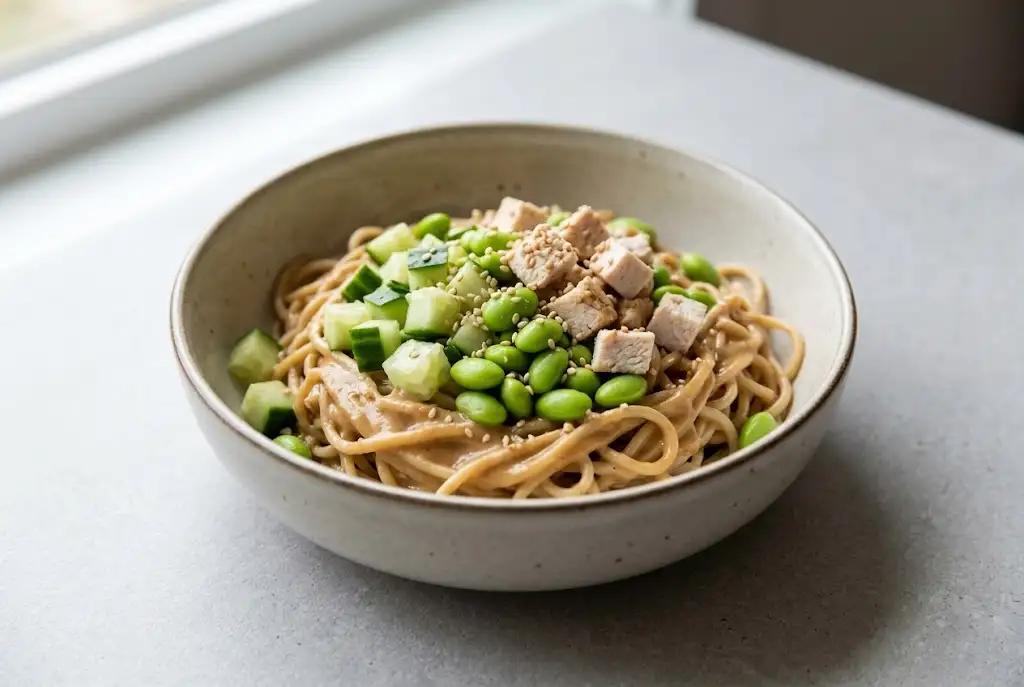
Sesame noodle bowls bring together creamy tahini sauce, tender noodles, crisp cucumber, and flexible meal prep ingredients in a lunch that stays practical after preparation. The combination works because the sauce coats the noodles while fresh toppings create contrast, making these bowls useful for busy weekdays and make-ahead meals.
Built around simple pantry staples and a few fresh additions, sesame noodle meal prep creates portions that can be enjoyed cold or warmed when a different texture is preferred. The balanced mix of savory soy sauce, sesame flavor, and crunchy vegetables keeps each serving satisfying without requiring complicated cooking.
Sesame noodle bowls simplify make-ahead lunches
Prepared lunches often become repetitive when the textures stay the same from bite to bite. Sesame noodle bowls avoid that problem by combining soft noodles, creamy sauce, crisp cucumber, and optional chicken in one container. Each part contributes a different experience, which helps the meal remain appealing after a few days in the refrigerator.
Flexible portions also make these bowls useful for different schedules. The noodles can be divided into containers with vegetables and protein ready to grab, while extra sauce can be added later to refresh the texture. That approach helps prevent the noodles from becoming overloaded with dressing before they are eaten.
Cold lunches benefit from ingredients that hold their shape after preparation. Cucumbers provide freshness, edamame adds substance, and sesame seeds create a simple finishing touch that works with the creamy sauce. These choices allow the bowls to function as both a quick weekday meal and a planned option for busy afternoons.
Tahini sauce controls the flavor balance in sesame noodle bowls
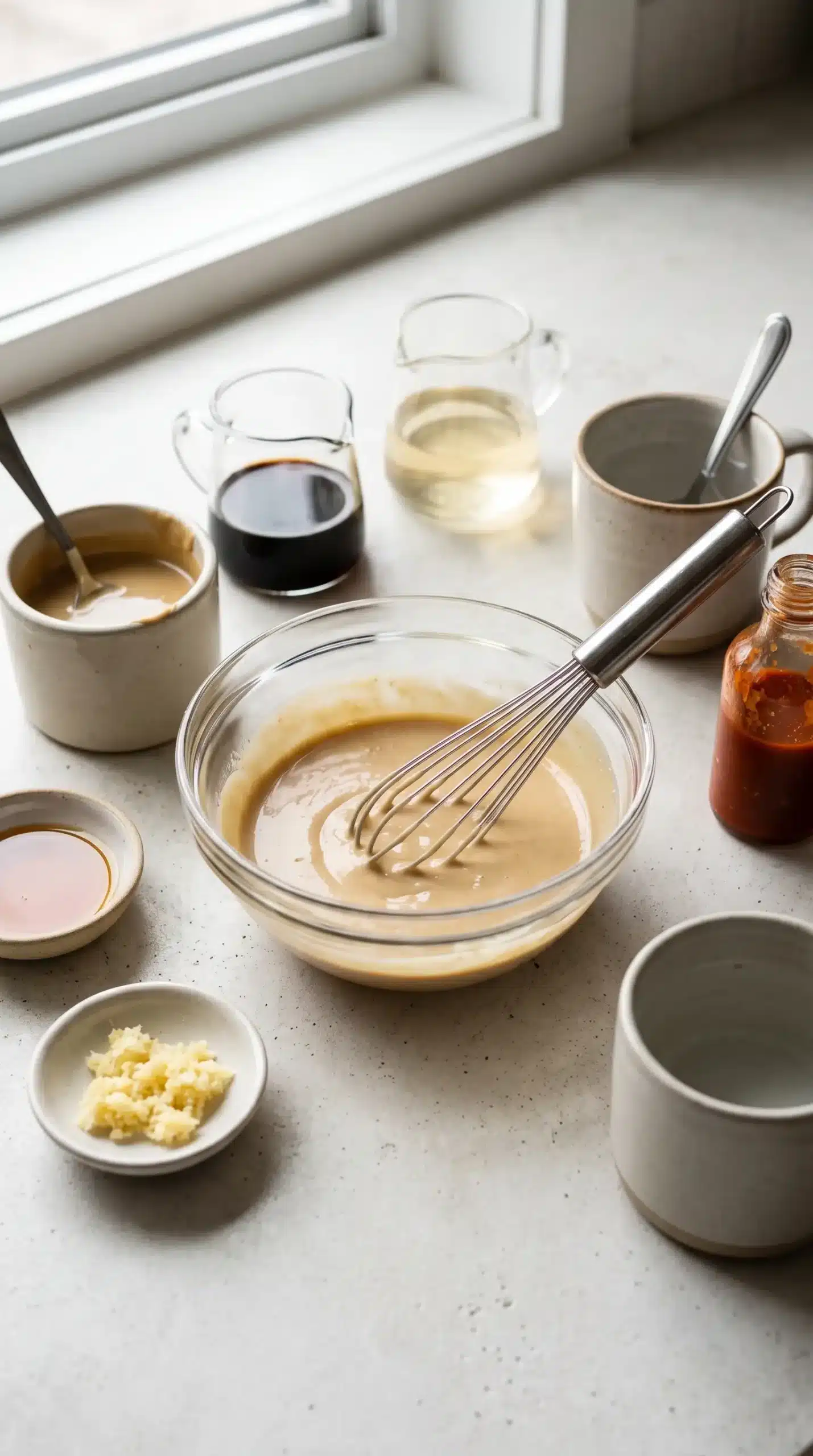
The sauce determines the character of sesame noodle bowls because the tahini base carries the savory, tangy, and spicy elements throughout the dish. Warm water helps loosen the sesame paste so it can blend smoothly with soy sauce, sesame oil, rice vinegar, garlic, and seasonings.
Tahini is a sesame seed ingredient that creates the creamy base for this sauce; tahini is a sesame paste made from ground sesame seeds and is valued for adding rich nutty flavor to noodles and other savory dishes.
A well-mixed sauce should cling to noodles without feeling heavy. Shaking the ingredients in a jar, blending them, or whisking by hand are all practical ways to create a consistent texture. The smooth mixture allows each portion to receive the same combination of flavors.
Small adjustments create a different finish without changing the structure of the meal. More sriracha increases heat, a little sugar rounds out sharp flavors, and additional sesame flavor can make the sauce feel richer. These changes are especially useful when preparing multiple servings for different preferences.
Chilled noodles need texture control before storage
Noodles continue to absorb moisture after cooking, so slightly firm preparation helps them maintain a pleasant bite in the refrigerator. Cooking them a little less than the package directions allows the texture to hold up once combined with sauce.
Edamame and cucumber keep meal prep portions balanced
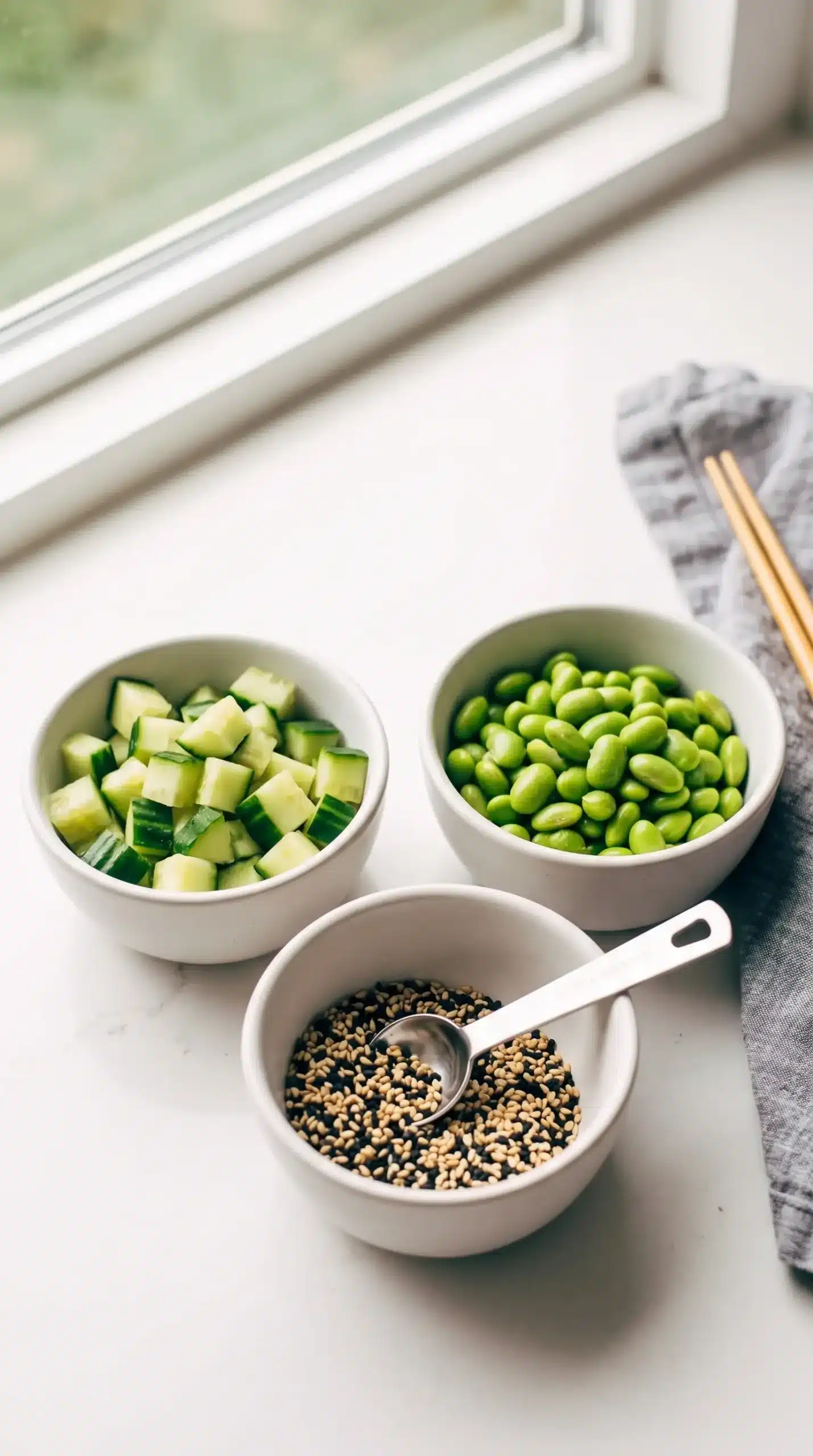
Fresh vegetables and plant-based additions give sesame noodle bowls contrast beyond the noodles and sauce. Diced cucumber brings a cool crunch, while cooked edamame adds a satisfying element that pairs naturally with sesame flavors. Vegetable-focused meals such as roasted vegetable bowls can emphasize crisp produce and balanced portions when building lunches around fresh ingredients.
- Cucumber texture: Dice pieces evenly so every container receives the same crisp freshness.
- Edamame portions: Distribute the cooked beans throughout the containers for consistent bites.
- Sesame seeds: Sprinkle them near serving time when a more noticeable topping texture is desired.
Chicken sesame noodle bowls add a hearty option
Chicken sesame noodle bowls provide an easy way to increase the protein in this meal while keeping the same sauce and vegetable combination. Cooked chicken breast works well when diced into bite-sized pieces that can be mixed through the noodles or arranged on top.
The chicken preparation can also influence the finished bowl. Pieces with seasoning and a browned exterior pair especially well with the sesame sauce because the savory surface complements the creamy dressing. Adding a little extra sauce during reheating can help the chicken blend back into the dish.
Vegetarian portions remain simple by leaving out the chicken and focusing on noodles, edamame, cucumber, and sauce. The structure of the meal allows each container to be adjusted without requiring a separate preparation process.
Avoid these sesame noodle bowls mistakes with sticky noodles
Sticky noodles are one of the most common issues when preparing sesame noodle bowls ahead of time. The noodles can absorb sauce quickly and become clumped if they are overcooked or stored without enough attention to texture.
| Problem | What you may notice | Helpful adjustment |
|---|---|---|
| Noodles cooked too long | Soft texture and less separation | Stop cooking slightly earlier so they remain firm after chilling |
| Too much sauce added at once | Heavy noodles after storage | Coat noodles with some sauce and save extra for serving |
| Sticky noodles after cooking | Pieces cling together | Rinse with cold water when needed before mixing |
Another mistake comes from uneven sauce distribution. A quick toss before dividing portions helps prevent some bites from being dry while others contain too much dressing. Keeping extra sauce available gives stored bowls more flexibility.
Meal prep containers make cold lunches easier
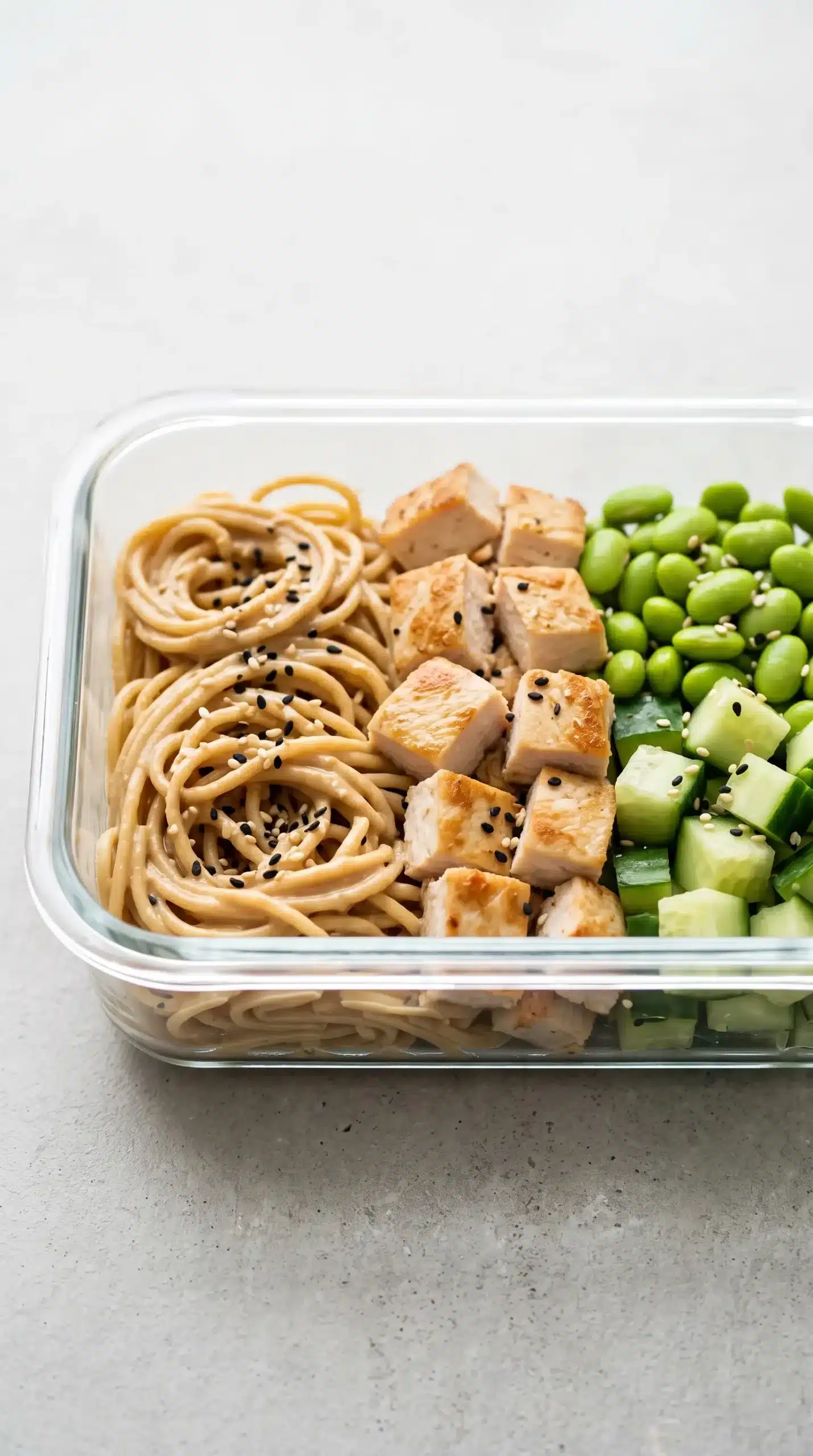
Separate containers help protect the textures that make these bowls enjoyable. Keeping noodles, vegetables, and chicken arranged neatly allows the ingredients to stay recognizable until serving.
Serving choices change the way sesame noodle bowls work
Sesame noodle bowls are naturally flexible because they can be served directly from the refrigerator or warmed depending on preference. Cold servings highlight the cucumber and fresh texture, while warmed portions create a softer, more comforting meal.
Different noodles can also change the experience. Stir fry noodles and Chinese egg noodles provide a classic direction, while linguine can work when specialty noodles are unavailable. The sauce remains the connecting element across these options.
Serving style matters when preparing lunches for several days. A person who prefers stronger flavors may add more sauce or spice at mealtime, while another serving can stay mild. This flexibility keeps the same preparation useful for different tastes.
Sauce storage keeps leftovers flexible
Extra sesame sauce can be kept available for refreshing stored noodles. Adding a small amount before eating helps restore the creamy coating as the noodles continue absorbing moisture over time.
15 minute meal prep noodles fit busy routines
15 minute meal prep noodles are designed around efficiency without removing the important details that make a meal satisfying. The quick sauce preparation and simple assembly create a realistic option when time is limited.
Planning ahead becomes easier when the ingredients have separate roles. Noodles provide the base, vegetables bring freshness, sauce ties everything together, and chicken offers an optional addition for a more substantial serving.
Many quick meals depend on convenience alone, but these bowls focus on practical choices that improve the eating experience after preparation. A small amount of attention to texture and storage makes the difference between an ordinary packed lunch and one that remains enjoyable.
Adjusting heat and sweetness keeps sesame sauce adaptable
The balance of spicy and sweet flavors can be changed easily in the sesame sauce. Sriracha brings heat, while sugar softens sharper notes from soy sauce and vinegar.
Keeping the noodle texture satisfying after chilling
Cold storage changes the way noodles interact with sauce, so serving adjustments can improve the finished bowl. A gentle toss before eating redistributes the coating and brings the ingredients back together.
Sesame noodle bowls become practical through thoughtful preparation
Sesame noodle bowls succeed when texture decisions guide the preparation from cooking through serving. Firm noodles, balanced sauce, and fresh additions create a meal that remains useful beyond the moment it is assembled.
The combination of creamy sesame dressing, crisp cucumber, and optional chicken shows how a few careful choices can create dependable meal prep without unnecessary complexity.
Sesame Noodle Bowls Questions About Storage and Preparation
Can sesame noodle bowls be eaten cold?
Yes, sesame noodle bowls work well when served cold because the sauce and vegetables are designed to complement chilled noodles. A quick stir before eating helps redistribute the sauce after storage.
How long do sesame noodle bowls stay fresh?
The assembled bowls can be stored in the refrigerator for several days when kept properly covered. Keeping ingredients fresh and using clean containers helps maintain the best texture and flavor.
Can I make sesame noodle bowls without chicken?
Yes, the chicken can be omitted for a vegetarian version. The noodles, edamame, cucumber, and sesame sauce still provide a complete combination of textures and flavors.
Why did my sesame noodles become sticky?
Sticky noodles usually happen when they are too soft after cooking or absorb too much sauce during storage. Cooking them slightly firmer and reserving some sauce can help improve the texture.
Can I use different noodles for this meal?
Yes, stir fry noodles, Chinese egg noodles, and linguine can all work with the sesame sauce. The important choice is selecting a noodle that can hold the creamy coating without becoming overly soft.
Sesame Noodle Bowls with Tahini Sauce for Meal Prep
Sesame noodle bowls combine creamy tahini sauce, tender noodles, crisp vegetables, and optional chicken for a quick meal prep dish. They are perfect for easy lunches with a balanced mix of savory sesame flavor and fresh texture.
Ingredients
Method
Preparation
- Combine the sauce ingredients and whisk until smooth, or blend together or shake in a jar to create an even mixture.
- Cook the noodles a few minutes less than the package directions. Rinse with cold water if the noodles become very sticky.
- Coat the noodles with about half of the prepared sesame sauce.
Assembly
- Portion the noodles, edamame, cucumber, and chicken into containers.
- Add a drizzle of the remaining sauce and finish with sesame seeds.
Notes
For the chicken method, cut chicken breasts into bite-sized pieces, coat with olive oil, salt, pepper, and garlic powder, and bake at 425 degrees for 15 minutes. For a browned exterior, transfer the baked chicken to a skillet with extra sesame sauce and cook until the outside is browned.